

The Honest Answer First
September in India is the month most travel guides get wrong.
They tell you to avoid it because of the monsoon. What they do not tell you is that September is the month many experienced India travellers choose deliberately — lower prices, thinner crowds, dramatic green landscapes, and the knowledge that peak season is just weeks away.
Is India in September perfect? No. Is it terrible? Absolutely not.
The honest answer lies in the details — and the details depend entirely on where in India you are going and when in September you travel. Late September is a genuinely different experience from early September. Understanding that distinction is the most important thing in this guide.
The Big Picture: What September Actually Means
September is the final month of India’s southwest monsoon, which runs from June through the end of September. By September, the monsoon is in full retreat — pulling back gradually from North India as it works its way south.
In North India — Delhi, Agra, Jaipur — the monsoon is retreating. September brings significantly less rain than July and August. The last two weeks of September are often remarkably clear and genuinely pleasant. Temperatures cool noticeably from the brutal summer months.
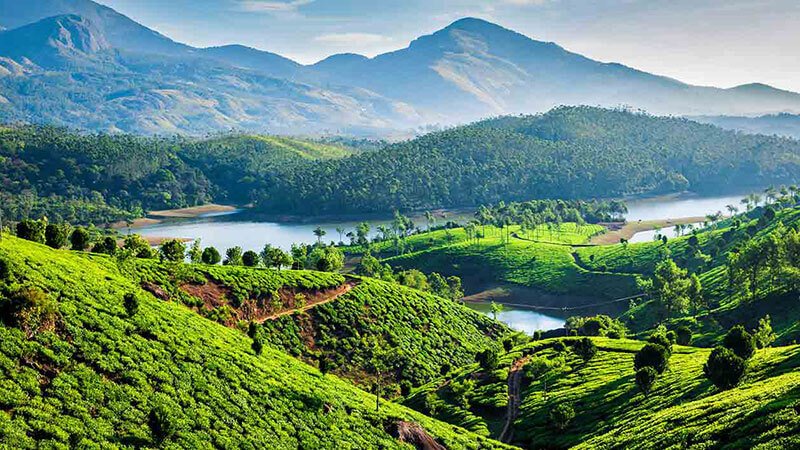
In South India — Kerala, coastal Karnataka — the southwest monsoon is still active. September is quite wet in Kerala and along the Konkan coast. But if you can embrace the rain, these are some of the most beautiful landscapes in the world right now.
In the high Himalayas — Ladakh, Spiti Valley — September is actually peak season. These areas sit in rain-shadow zones where the monsoon simply does not reach. Clear skies, cool temperatures, and some of the finest mountain scenery on earth.
The India Meteorological Department’s 2026 monsoon forecast predicted 92% of the long-period average rainfall — a slightly below-normal monsoon. For travellers, this means fewer disruptions and more predictable conditions than a heavy monsoon year.
September Weather City by City
Delhi in September
September in Delhi is a month of transition.
Early September (September 1 to 15) can still be muggy and warm — temperatures around 28°C to 35°C with humidity at 75 to 85%. Occasional heavy showers arrive, particularly in the afternoon. Mornings are generally clear and workable for sightseeing.
Mid-September (September 15 to 22) sees conditions improving noticeably. Temperatures drop toward 26°C to 34°C. Rain becomes lighter and less frequent. Humidity begins falling.
Late September (September 22 to 30) is when Delhi starts to show its finest face. Temperatures settle around 24°C to 32°C. The sky begins to clear to a vivid blue. The post-monsoon air quality is excellent — the city has been washed clean. By the last week of September, Delhi is transitioning into one of its most beautiful periods.
If you are visiting Delhi in September, target the last 10 days. Mornings are almost always clear and ideal for sightseeing. All monuments — Red Fort, Qutub Minar, Humayun’s Tomb — are open year-round.
Agra and the Taj Mahal in September
The Taj Mahal in September is genuinely beautiful — and often photographed differently than at any other time of year.
A light mist over the Yamuna River behind the tomb creates an almost ghostly atmosphere that photographers seek out specifically. The white marble under overcast monsoon skies has a softer, more ethereal quality than in the harsh direct sunlight of November or February. The Taj Mahal gardens are at their most lush and green — the lawns perfectly maintained, the flower beds full, the central reflecting pool brimming.
The concern with early September is rain. On days of heavy showers, the marble pathways become slippery and outdoor photography is difficult. The solution is straightforward: plan your Taj Mahal visit for early morning (gate opening at approximately 5:30 AM) and you will almost always get a clear, beautiful window before any afternoon rain arrives.
Late September at the Taj Mahal is genuinely excellent. The monsoon is retreating, the sky is clearing, humidity has dropped significantly, and visitor numbers are a fraction of the December to February peak.
Our honest advice: if your dates fall in late September (September 20 to 30), visit the Taj Mahal with confidence. If your dates fall in early September, plan for early morning visits and stay flexible.
Essential before you go: Taj Mahal in September 2026 — our dedicated guide covering weather, crowds, timings, and what to expect. Taj Mahal Tickets, Timings & Entry Fee 2026 for entry fees, online booking, and the mausoleum add-on.
Jaipur in September
Jaipur in September is a different visual experience from peak season — and many photographers specifically prefer it.
The dry, dusty Pink City turns genuinely green as the Aravalli Hills surrounding the city become lush with monsoon growth. The lakes around Jaipur — Man Sagar Lake (Jal Mahal) and the lakes near Amber Fort — fill up and reflect the dramatic monsoon sky. Amber Fort photographed against green Aravalli Hills with dramatic clouds is one of Jaipur’s finest photography conditions — more dramatic, many argue, than the clear winter sky of December.
The bazaars operate normally. Crowd levels are very low — you have the major monuments largely to yourself compared to the November to February rush. Hotel prices are 20 to 40% lower than peak season.
Kerala in September
Kerala is a special case. The southwest monsoon that complicates North India travel is actually Kerala’s defining characteristic — the reason its tea gardens, backwaters, and Ayurvedic culture exist in the form they do.
Munnar’s tea gardens in September are at their most intensely green — mist-covered, dramatic, and genuinely extraordinary for those who embrace the atmosphere. The Alleppey backwaters are full and serene. A houseboat drifting through rain-softened palm-lined canals with the sound of rain on the roof is one of India’s most distinctive sensory experiences.
If you need guaranteed sunshine and beach swimming, wait until November. If you want dramatic landscapes, lower prices, and a more intimate Kerala, September is genuinely rewarding.
Kovalam and Varkala beaches: Avoid in September. The sea is rough and unsafe for swimming.
Ladakh in September
This is September’s best-kept secret.
While the rest of India deals with monsoon rain, Ladakh sits in a high-altitude rain-shadow zone where the Himalayan ranges block the southwest monsoon entirely. September brings clear blue skies, temperatures of 10°C to 22°C, and the most spectacular mountain landscapes in India at their most accessible.
Pangong Lake turns a vivid turquoise under clear September skies. The Nubra Valley is in full summer bloom. Khardung La — one of the highest motorable passes in the world — is fully open. All major monasteries at Hemis, Thiksey, and Diskit are operating normally.
September is actually Ladakh’s peak foreign tourist season. Book accommodation well in advance.
Planning Spiti or Ladakh? Read our Spiti Valley Trip from Delhi complete guide — routes, permits, costs, and day-by-day breakdown.
Rajasthan Beyond Jaipur in September
Rajasthan in September surprises almost everyone. The desert state transforms into something unexpected — green.
Udaipur is the finest September destination in Rajasthan. Lake Pichola fills to the brim. The City Palace reflects in the shimmering water. The surrounding hills are lush. Crowds are minimal. Hotel prices are 40 to 50% below peak. Udaipur in September is arguably the most romantic version of the city available in any month.
Jodhpur looks striking in September — the Blue City against monsoon clouds and green hillsides creates a completely different aesthetic from the classic winter postcard.
Jaisalmer remains hot but temperatures are lower than summer and more manageable. The dunes are a deeper golden-brown after the rain.
Ranthambore: Closed. The national park closes during monsoon and reopens on October 1. No tiger safaris in September.
Goa in September
September Goa is off-season and it shows. The monsoon is at or near peak on the Konkan coast. Most beach shacks are closed. The sea is rough and unsafe for swimming.
The interior of Goa — Portuguese churches, spice plantations, the old quarter of Panaji — is actually beautiful in September. The countryside is intensely green. Waterfalls like Dudhsagar are at full roar. Prices are 40 to 60% below peak.
September Goa verdict: not for beach holidays. Yes for adventure, waterfalls, history, and dramatically lower prices.
September Festivals: Three Major Events
Ganesh Chaturthi
India’s largest street festival celebrates the birth of Lord Ganesha. The biggest celebrations are in Mumbai and Pune — enormous clay Ganesh idols are paraded through the streets with music, dancing, and fireworks before being immersed in the sea. The festival runs for 10 days. For international travellers based in Mumbai in September, Ganesh Chaturthi is an extraordinary cultural experience — streets transform, neighbourhoods compete on the scale of their idols, and the energy is unlike anything else in India.
Onam — Kerala’s Harvest Festival
Kerala’s most important harvest festival falls in August to September. The full celebration spans 10 days, with Thiruvonam being the most significant day — typically in early to mid-September in 2026.
Onam includes the spectacular Vallam Kali snake boat races on the backwaters — one of the most dramatic sporting events in India. Traditional longboats with crews of up to 100 oarsmen race in a frenzy of drums and synchronized rowing. Kerala homes are decorated with elaborate flower carpets (Pookalam). The traditional Onam Sadya — a 26-dish feast served on banana leaves — is eaten throughout the state. If you are in Kerala around Onam, the Sadya is non-negotiable.
Navratri — Nine Nights of the Goddess
The nine-night festival of the goddess begins in late September 2026. In Gujarat, Navratri means Garba — night after night of traditional folk dancing in open courtyards across Ahmedabad and Vadodara. Thousands of dancers in traditional costumes moving in concentric circles to dhol drums. It is one of India’s most visually extraordinary events.
In Delhi, Jaipur, and across North India, elaborate Durga idol displays are set up in neighbourhoods. The atmosphere in the evenings throughout late September is festive and beautiful. Navratri leads directly into Dussehra (October 2) and then Diwali (November 8).
The Golden Triangle in September — Honest Assessment
This is the question most international travellers ask.
The case for September:
The monuments are extraordinary year-round. The Taj Mahal does not become less beautiful in September. Amber Fort’s sandstone actually photographs better against dramatic monsoon clouds than in flat winter light. The gardens at every monument are at their most lush. Visitor numbers are a fraction of peak season — you have the monuments largely to yourself. Hotels are 20 to 40% cheaper. Restaurant wait times disappear.
The case against early September:
Early September can be muggy and uncomfortable, especially for travellers unaccustomed to high humidity. There is a real possibility of rain on any given day. Ranthambore National Park is closed until October 1 — no tiger safaris can be added to a September Golden Triangle itinerary.
Our recommendation:
Late September (September 20 to 30) is excellent for the Golden Triangle. The monsoon has largely retreated. The weather is improving by the day. Prices are still low. Crowds are minimal. And you arrive just as peak season begins — meaning you get September’s low prices with October’s improving conditions.
Early September is manageable with morning-focused sightseeing and flexible planning. Just not ideal for first-time visitors who want guaranteed weather.
Full planning resources:
How Much Cheaper Is September?
The financial difference is real and significant.
Hotel rates in September are typically 20 to 40% lower than December to February peak season across Delhi, Agra, and Jaipur. A mid-range Agra hotel that costs ₹12,000 per night in December drops to ₹6,000 to ₹8,000 in September. Heritage hotels in Jaipur and Udaipur see even larger discounts — 40 to 50% in some cases.
Tour package prices for a standard 5-day Golden Triangle tour run approximately ₹35,000 to ₹55,000 per person in September. The same tour in December costs ₹55,000 to ₹85,000. International flights from the USA to Delhi are typically $200 to $400 cheaper in September than November or December. From the UK, September fares are typically £150 to £300 below December levels.
For a 10-day India trip from the USA or UK, total savings in September versus December can easily reach $1,000 to $1,500 per person. That is a meaningful difference.
September vs October: Which Should You Choose?
This is the most practical question for travellers deciding between the two.
September offers better value — 20 to 40% lower prices on everything, and near-empty monuments. October offers better weather — cooler, drier, and reliably comfortable for all-day outdoor sightseeing. In October, Ranthambore reopens on October 1, Diwali falls on October 20, and the Golden Triangle is at its seasonal best.
Late September (the last 10 days) is genuinely close to early October in quality. If budget is your primary consideration, late September gives you 90% of October’s experience at 30 to 40% lower cost.
If this is your first India trip and you want guaranteed good weather and the ability to add a Ranthambore tiger safari, choose October.
If you are an experienced traveller, value-focused, and comfortable with some weather variability, late September is an excellent choice.
October in detail: India in October 2026 — Diwali on October 20, Ranthambore reopening, and the complete October travel guide.
Best Destinations for September India Travel
Ladakh — Clear skies, 10°C to 22°C, spectacular mountain scenery, no rain whatsoever. The outright best September destination in India.
Udaipur — The most beautiful month to visit Rajasthan’s lake city. Lakes are full, palaces reflect in the water, crowds are minimal.
Late September Golden Triangle — If your dates fall in the last 10 days of September, the Golden Triangle offers excellent value with genuinely good weather.
Munnar, Kerala — The green tea gardens in the mist are extraordinary for those who can embrace the monsoon atmosphere.
Spiti Valley — September is the most stable month in the valley. Roads are in better condition than July or August. High-altitude monasteries and landscapes are at their most accessible.
Hampi, Karnataka — The ancient ruins look dramatic against monsoon greenery at 22°C to 32°C. Perfect for history lovers who find peak-season crowds overwhelming.
Where NOT to Go in September
Ranthambore and most North India wildlife parks — Closed until October 1. No tiger safaris available. If a safari is your primary goal, come in November or later.
When the parks reopen: India in November 2026 is when Ranthambore delivers its finest sightings. The Pushkar Camel Fair 2026 runs November 17 to 24.
Goa beaches — Off-season. Rough sea, most shacks closed. Fine for waterfalls and culture, not for beach time.
High-altitude treks in Uttarakhand — Landslide risk is at its highest in September. Trek only with an experienced local operator and current road condition information.
Practical Tips for September India Travel
Plan mornings outdoors, afternoons inside. In September, weather is most stable between 6 AM and noon. Plan all monument visits in this window. Use afternoons for museums, shopping, Ayurvedic treatments, cooking classes, and air-conditioned cafes.
Pack for both rain and heat. Lightweight quick-dry clothing. A compact waterproof rain jacket — essential. Waterproof sandals or shoes with good grip (temple marble becomes very slippery when wet). Insect repellent — monsoon months are peak mosquito season. Sunscreen SPF 50+ — UV radiation passes through cloud cover.
Travel insurance is essential in September. Weather-related delays, road disruptions, and cancelled activities are a real possibility. Make sure your policy covers monsoon-related cancellations specifically.
Book flexible accommodation. September is low season — hotels are eager for business. Many offer better cancellation policies and flexibility on rates in September than at any other time of year.
Trains are more reliable than flights in September. Domestic aviation in India runs 30 to 45% delays at major airports during monsoon months. Indian Railways is significantly more reliable. Use trains for intercity travel wherever possible.
Carry more cash than usual. Minor infrastructure disruptions during monsoon — power outages, road diversions — mean cash is more important in September than peak season. Withdraw in cities before heading to smaller destinations.
Frequently Asked Questions
Is India in September worth visiting?
Yes — particularly for experienced travellers who want lower prices, smaller crowds, and dramatic monsoon landscapes. Late September (last 10 days) is significantly better than early September for weather. Destinations like Ladakh, Udaipur, and the late September Golden Triangle are genuinely excellent.
Is the Golden Triangle good in September?
Late September is recommended and genuinely good — the monsoon is retreating, weather is improving, prices are low, and crowds are minimal. Early September is manageable but more humid and requires morning-focused sightseeing.
Can you visit the Taj Mahal in September?
Yes — the Taj Mahal is open year-round except Fridays. In September, the gardens are at their most lush and green, visitor numbers are well below peak season, and the monument in early morning mist can be extraordinarily atmospheric. Always book tickets online in advance.
Is Ranthambore open in September?
No. Ranthambore National Park is closed during monsoon and reopens on October 1. No tiger safaris are available in September. To combine the Golden Triangle with a tiger safari, visit in October or later.
How much cheaper is India in September vs peak season?
Hotel rates are typically 20 to 40% lower. International flights are $200 to $400 cheaper from the USA and £150 to £300 cheaper from the UK. Tour package prices are 30 to 40% below December levels. For a 10-day trip, total savings can reach $1,000 to $1,500 per person versus December travel.
What is the best part of India to visit in September?
Ladakh is the outright best choice — clear skies, no monsoon, spectacular mountain scenery. Udaipur is the finest Rajasthan choice — lakes full, palaces reflected, romantically atmospheric. Late September Golden Triangle works well. Kerala is beautiful if you embrace the rain.
Plan Your September India Trip with Squid Travel India
At Squid Travel India, we organise Golden Triangle tours, Rajasthan holidays, and complete India itineraries year-round — including September, when our guests enjoy lower prices, smaller crowds, and the genuine beauty of India transitioning from monsoon to peak season.
Every September package includes private air-conditioned transport, hand-picked hotels booked with flexibility in mind, English-speaking expert guides at each destination, and 24/7 support throughout your trip.
Want to build your own September itinerary? Use our Make Your Own Tour page and we will design your perfect September 2026 trip within 24 hours.
📞 Call / WhatsApp: +91 9990812499 📧 Email: Squidtravelindia@gmail.com 🌐 Visit: squidtravelindia.com
1,800+ trips completed | 98% happy clients | TripAdvisor Travelers’ Choice 2024–2025
Last updated: August 2026. Festival dates are based on the Hindu lunar calendar and confirmed for 2026. Hotel rates and flight prices are indicative based on current 2026 availability.

Comment (1)