

Yes. Ranthambore National Park reopens on October 1, 2026 — and October is one of the finest months to be there.
After four months of complete closure during the monsoon, the gates open and the forest that has been regenerating in silence — no jeeps, no tourists, no human presence of any kind — reveals itself in its most vivid and alive state. The vegetation is lush from the rains. The lakes are full. The animals are active and well-fed. And the tigers, whose territories have been undisturbed since June 30, are moving freely through a forest that feels newly made.
If you have been considering a Ranthambore tiger safari and wondering whether October is the right month, the short answer is: book now. October permits for the best zones sell out fast — sometimes within hours of the booking window opening. This guide gives you everything you need to understand the October experience, choose the right zone, and secure your permits before they’re gone.
Is Ranthambore Open in October 2026?
Yes — fully open from October 1.
All 10 safari zones of Ranthambore National Park open for the new season on October 1, 2026. This includes all five core zones (Zones 1–5) and all five buffer zones (Zones 6–10), which operate on different circuits through the reserve.
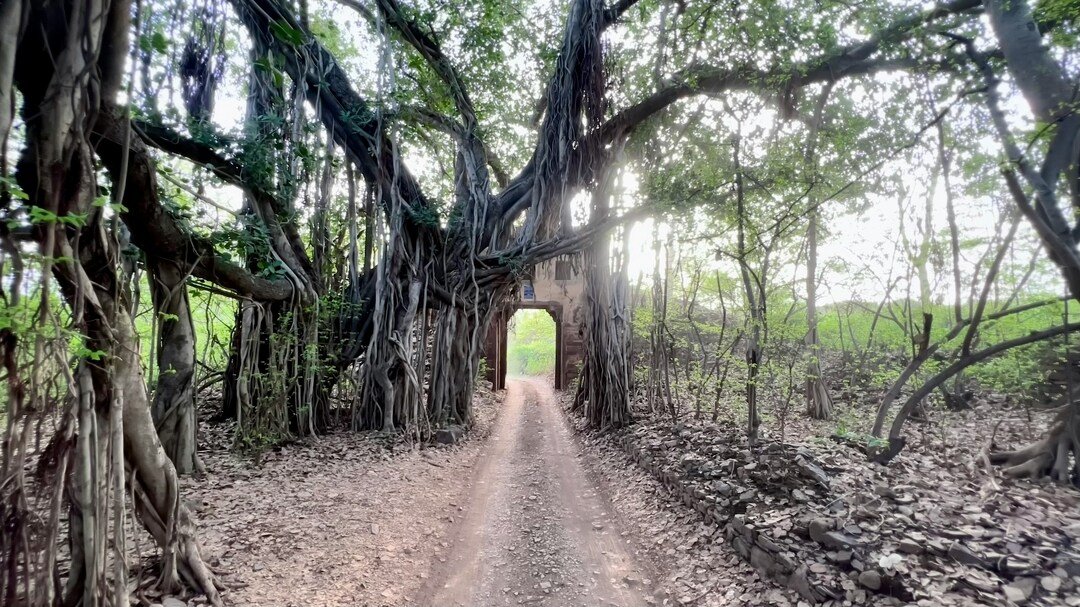
During the monsoon months (July to September), only buffer zones 6–10 remain open for limited safaris. The core zones — where tiger sighting rates are highest — are completely closed from July 1 to September 30. October 1 is the date when the full park reopens and the season begins in earnest.
The park operates two safari shifts daily:
Morning safari: Opens approximately 6:30 AM, runs for 3.5 hours Afternoon safari: Begins approximately 2:30–3:00 PM (varies by season), runs for 3.5 hours
Both morning and evening timings adjust slightly through October as sunrise and sunset shift. Your resort or Squid Travel India will confirm exact timings for your specific dates when booking.
Why October Is One of the Best Months for Ranthambore
October sits at the precise intersection of conditions that make Ranthambore exceptional — and it’s a combination that no other month fully replicates.
The Forest at Its Most Beautiful
Four months of monsoon rain transform Ranthambore into a different world. The dry deciduous forest — khaki and dust-coloured in April and May — is lush green in October. The dhok trees, which make up the bulk of the forest canopy, are in full leaf. The grass is long and richly green. The three interconnected lakes at the heart of the reserve — Padam Talao, Raj Bagh Talao, and Malik Talao — are full and surrounded by waterbirds.
The post-monsoon forest has a quality that peak winter visitors never see: a sense of abundance and renewal. Every part of the ecosystem is at its most alive. The photography conditions — rich green backgrounds, clear skies, warm light — are in some ways more dramatic than the bare winter forest.
Tigers Moving Freely
The four-month monsoon closure is not just a tourism decision — it is a genuine wildlife management pause. From July 1 to September 30, human presence is completely withdrawn from the core zones. The tigers establish and adjust their territories without disturbance. The cubs born during the monsoon period take their first exploratory steps into a forest that has belonged entirely to them.
When October 1 arrives and the gates open, the tigers are confident, well-fed on monsoon-abundant prey, and moving through their territories without the behavioural wariness that builds over a long tourist season. Early October sightings tend to be relaxed and unhurried — tigers that haven’t been watched by safari vehicles for four months often show less evasiveness than the same animals in March or April.
Ranthambore currently has approximately 80–85 tigers including adults and cubs — one of the highest densities of any tiger reserve in India. With the full core zones open and animals actively establishing post-monsoon routines, October sighting rates are strong and consistent.
The Weather
October weather in Ranthambore is genuinely excellent for safari.
Temperatures: Daytime highs of 28–33°C in early October, dropping to 25–30°C by month’s end. Early morning safari temperatures of 18–22°C are cool and comfortable in an open jeep. A light jacket or fleece for the 6:30 AM departure is comfortable; by 8 AM you’ll be removing it.
Rain: The monsoon has retreated. October in Ranthambore is effectively rain-free — you might see one brief shower across the entire month. The trails are dry, the roads are clear, and logistics run smoothly.
Humidity: The high monsoon humidity drops significantly in October. The air is dry and clear, which improves visibility through the forest and makes the physical experience of sitting in an open jeep for 3.5 hours far more comfortable than July or August.
Skies: Post-monsoon October skies are a deep, saturated blue — the best photography backdrop of the year.
October vs Other Months — The Honest Comparison
| October | November–January | February–April | May–June | |
|---|---|---|---|---|
| Park status | Open (all zones) | Open | Open | Open |
| Forest condition | Lush green — peak | Drying, browning | Bare — easier spotting | Very bare, very hot |
| Tiger sighting | Good — 60–70% | Good — 65–75% | High — 70–80% | Highest — 80–85% |
| Temperature | 18–33°C (comfortable) | 8–28°C (ideal) | 15–40°C (warming) | 35–45°C (extreme) |
| Crowds | Moderate — building | High | Very high | Low |
| Permit availability | Opening rush — book fast | Tight | Very tight | Easier |
| Price | Standard | Standard–peak | Peak | Slightly lower |
The honest read: February to April offers the highest sighting rates as the forest thins and tigers gather at water sources. But October offers the most beautiful forest, good sighting rates, and the unique experience of a park newly emerged from rest. For many visitors — especially those who value photography and the overall wildlife experience over maximising sighting statistics — October is the clear choice.
Ranthambore’s 10 Safari Zones — Which One to Book
This is the most important decision you’ll make for your Ranthambore safari. Zone choice affects your tiger sighting probability more than any other variable.
Ranthambore is divided into 10 zones:
- Zones 1–5: Core zones — the historic heart of the reserve, highest tiger density, best sighting rates. These are the ones that sell out first.
- Zones 6–10: Buffer zones — surrounding the core, lower sighting rates but genuine wildlife encounters. Easier to book on short notice.
Core Zones — Best Bets for October
Zone 1 — Padam Talao Area The most famous zone in Ranthambore. Padam Talao — the park’s largest lake — sits at its centre, surrounded by ancient ruins of the Ranthambore Fort complex. The ruins (crumbling gateways, step-wells, temples) draped in moss and greenery create the most cinematic safari backdrop in India. Tigers use the lake edges for drinking and bathing, particularly in the morning. October’s full lake levels make this zone exceptionally beautiful. Book this zone for your first safari if possible.
Zone 2 — Raj Bagh Talao Raj Bagh Lake is Ranthambore’s middle lake — surrounded by the ruins of a 19th-century royal hunting lodge. The ruined building, half-submerged at the lake’s edge in October’s high water level, and the lotus flowers that bloom across the lake’s surface in the post-monsoon season, create one of India’s most extraordinary wildlife photography settings. Tigers are frequently spotted on the lake’s northern bank. Zone 2 is historically among the highest tiger-sighting zones.
Zone 3 — Rajbagh Ruins and Jogi Mahal Jogi Mahal — the old forest rest house — marks this zone’s anchor point. The area around it and the trails leading south to Malik Talao are prime territory for multiple resident tigers. The legendary tigress Machli, who became one of the most photographed tigers in history, dominated this territory for years. Her descendants still range across Zone 3.
Zone 4 — Lahpur to Kachida A less-visited core zone with excellent leopard sightings in addition to tigers. The Kachida valley section offers different terrain from the lake-focused zones — drier forest with open meadows that produce excellent photography light in the morning.
Zone 5 — Kundal and Semli A long zone that runs through the southern section of the core area. Covers significant territory and is particularly good for sambar deer, crocodiles, and sloth bear sightings in addition to tigers. Less crowded than zones 1–3 even in peak season.
Buffer Zones — Worthwhile Alternatives
Zones 6–10 border the core territory and tigers cross into them regularly. Sighting rates are lower — but not negligible. Many memorable tiger encounters happen in the buffer zones when an animal has moved out of its core territory. Buffer zone permits are significantly easier to obtain on short notice, which makes them the practical choice for visitors booking within 4–6 weeks of travel.
Zone 6 specifically — which borders the core heavily and includes the Kundal nala — has produced strong tiger sightings and is the recommended buffer zone choice.
Squid Travel India’s October recommendation: Book Zone 1 or Zone 2 as your first priority. If unavailable, Zone 3 or Zone 5. For your second safari (two safaris across two sessions is our strong recommendation), book a different zone from the first — zone diversity significantly improves your overall sighting probability.
How to Book Ranthambore Safari Permits for October
The permit booking system requires advance planning. Here’s exactly how it works.
The Booking Window
Safari permits are released by the Rajasthan Forest Department 90 days in advance at 6:00 PM daily. This means permits for October 1 became available on July 2. For October dates within the next 30 days, the relevant permits are already on the portal — check availability now.
For peak October dates (particularly the first week after opening and weekends), Zones 1–3 permits sell out within hours of the booking window opening. If you haven’t booked yet, do it today.
Official Booking Portal
All government safari permits are booked through the official Rajasthan tourism portal: ranthambore.rajasthan.gov.in
The process:
- Create an account with your email address
- Select your preferred date, zone, shift (morning or afternoon), and vehicle type (jeep or canter)
- Enter details for all visitors — Indian nationals need Aadhaar or government photo ID; foreign nationals enter passport details
- Complete payment via credit/debit card, net banking, or UPI
- Receive your e-permit — carry it printed or on your phone
Tatkal Quota
A small number of permits are held back under the Tatkal (last-minute) quota and released 24 hours before the safari date. Tatkal permits are available for jeep safaris only (not canters) and carry a premium price. This is the option for genuinely last-minute visitors — but availability cannot be guaranteed, particularly in October when demand is high.
Booking Through Squid Travel India
If the government portal process feels complex or you’re booking from outside India, Squid Travel India handles all permit bookings as part of our Ranthambore packages. We monitor availability across zones and dates, have contingency options ready when first-choice zones are full, and integrate your safari permits seamlessly with your Golden Triangle itinerary. We manage the 90-day booking window on your behalf so you don’t need to track it yourself.
Jeep vs Canter — Which to Choose in October
Every Ranthambore safari uses one of two vehicle types:
Gypsy (Jeep)
An open-top 4WD vehicle carrying a maximum of 6 passengers plus the driver and naturalist guide. The Gypsy is the recommended choice for virtually every visitor.
Advantages: Can stop, reverse, and wait at sightings with full flexibility. Smaller and quieter than the Canter. The naturalist has full control of the vehicle’s positioning. Better photography angles. More intimate experience.
Cost: Private jeep (all 6 seats for your group) costs approximately ₹10,000–₹16,000 per jeep for the full safari. Shared jeep (your group fills available seats with strangers) costs approximately ₹3,500 per person for Indian nationals, more for foreign nationals.
Canter
An open-top bus carrying up to 20 passengers. The budget option.
Advantages: Significantly cheaper per person — approximately ₹1,800 per person for Indian nationals.
Disadvantages: Less flexible (cannot stop or reposition as freely). Noisier and more disruptive to wildlife. Less responsive at sightings. Not recommended for wildlife photography.
The verdict: For first-time Ranthambore visitors, book the private jeep. The additional cost produces a meaningfully better experience — more flexibility at sightings, better photography, and the ability to have your naturalist read the forest without the noise of 19 other passengers.
What to Expect on Your October Safari
The Morning Shift
Your jeep departs the forest gate at approximately 6:30 AM — the sky still grey, the air cool, birdsong beginning to build in the forest. Your naturalist and the assigned forest guard join the vehicle at the gate. The guard carries a radio log of the morning’s first movements reported by other jeeps — the network of information that helps experienced naturalists know which territory to prioritise.
The first hour of an October morning safari in Ranthambore is often the most productive. The post-monsoon lushness means that prey animals — sambar deer, chital, nilgai — are everywhere and well-fed. Where prey concentrates, predators follow. Tiger alarm calls from deer and langur monkeys are your naturalist’s first tracking tool.
What you’ll see (beyond tigers):
- Marsh crocodiles — Ranthambore’s lakes are full of them in October. October’s high lake levels bring them out onto the banks and into the shallows
- Sambar deer — huge, majestic animals, often found at the lake edges in the morning mist
- Chital (spotted deer) — India’s most beautiful deer, in herds throughout the forest
- Nilgai (blue bull) — India’s largest antelope, common throughout the park
- Sloth bears — more active in the cooler October mornings than in the heat of summer
- Leopards — Ranthambore has a significant leopard population, most active at dawn and dusk
- Ranthambore Fort — the ancient 10th-century fort that rises from the forest in the middle of the park is visible from multiple zones and is one of India’s most extraordinary wildlife backdrops
Reading the Forest
October’s lush vegetation means that tigers are more concealed than in the bare winter forest. The skill of finding them shifts from direct visual scanning to alarm call interpretation. A sudden explosion of alarm calls from sambar or langur in a specific direction, a flock of peafowl bursting from the undergrowth — these are the signals your naturalist reads constantly.
When the jeep stops and your naturalist raises a hand for silence, stop whatever you’re doing. A tiger is almost always the reason for that signal.
The Ranthambore Fort
Uniquely among Indian tiger reserves, Ranthambore has a UNESCO-recognized ancient fort at its centre — the 10th-century Ranthambore Fort, which rises 215 metres above the forest on a cliff of quartzite rock. Several of the safari circuits pass directly beneath the fort’s walls and through its ancient gateways.
The combination of a Bengal tiger in the foreground and a crumbling medieval fort in the background is Ranthambore’s signature image — one that no other wildlife destination on earth can replicate. In October, the fort walls are green with monsoon growth, the moss is vivid, and the ancient stone glows in the warm morning light.
Getting to Ranthambore
From Delhi
Ranthambore is 390 kilometres from Delhi — approximately 5–6 hours by road on the National Highway via Agra and Bharatpur. A private car from Delhi is the most comfortable option for families and small groups. Alternatively, the Sawai Madhopur Express train from Hazrat Nizamuddin (Delhi) reaches Sawai Madhopur (the nearest railway station to the park) in approximately 4–5 hours. Multiple trains connect Delhi and Sawai Madhopur daily.
From Jaipur
Sawai Madhopur — the town at Ranthambore’s gate — is 160 kilometres from Jaipur, approximately 2.5–3 hours by road. This makes Ranthambore a natural addition to any Jaipur visit or Golden Triangle tour. The road from Jaipur passes through Tonk and is a comfortable drive with no significant traffic.
The Golden Triangle + Ranthambore Circuit
The most popular itinerary combining India’s cultural monuments with a tiger safari:
Day 1–2: Delhi — Old City, Humayun’s Tomb, Qutub Minar Day 3: Agra — Taj Mahal, Agra Fort, Mehtab Bagh Days 4–5: Ranthambore — two safari sessions (morning Day 4, morning Day 5 or mix morning/afternoon) Days 6–7: Jaipur — Amber Fort, City Palace, Hawa Mahal, markets Day 8: Return to Delhi
This 8-day circuit is one of Squid Travel India’s most popular October itineraries. See our Golden Triangle with Ranthambore package for the full details.
Where to Stay in Ranthambore
The town of Sawai Madhopur, 10 kilometres from the park gate, has accommodation ranging from basic guesthouses to luxury lodges. Staying as close to the park as possible is recommended — early morning 6:30 AM safari departures require a pre-dawn wake-up, and a 5-minute drive to the gate beats 30 minutes through unfamiliar roads in the dark.
Luxury: SUJÁN Sher Bagh — one of India’s finest safari tented camps, adjacent to the park. Sixteen luxury tents, exceptional food, expert naturalists, and an atmosphere that evokes the golden age of Indian wildlife photography. Fully inclusive of safaris, meals, and naturalist services. Books out months in advance for October.
Oberoi Vanyavilas — the benchmark luxury wildlife resort in India. An hour’s drive from the park but with service, food, and facilities that set the standard. Includes safari logistics as part of a fully managed stay.
Mid-Range: Taj Sawai Madhopur Lodge — a heritage property in Sawai Madhopur town, reliable and well-managed, with good safari coordination and comfortable rooms.
Ranthambore Regency — well-located, good value, consistently strong guest reviews for the safari coordination and naturalist quality.
Budget: Multiple guesthouses and smaller lodges operate near the park gate area at ₹2,000–₹5,000 per night. Standards vary — check recent reviews and confirm safari pickup arrangements before booking.
Practical Tips for October Ranthambore
Wear earth tones. Khaki, olive, tan, dark green, brown. Bright colours — red, white, yellow — startle animals and reduce your sighting chances. This is not optional advice. Pack specifically for the safari.
Bring layers for the morning. The 6:30 AM jeep departure in October is around 18–20°C. This feels cold in an open vehicle. A fleece or light down jacket for the first hour is essential. By 8 AM the temperature rises quickly.
Carry binoculars. Many sightings begin as a shape in the distant treeline. Binoculars close that distance dramatically. A compact 8×42 pair is the single most useful addition to any safari kit.
Stay silent at sightings. When a tiger is located, the natural impulse is excitement. Channel it into stillness. Sudden movements or loud sounds cause animals to retreat. The quieter your jeep, the longer the sighting lasts.
Book two safaris minimum. One safari gives you a chance. Two safaris — ideally one morning and one afternoon, in different zones — give you a genuine wildlife experience. We recommend two morning safaris in consecutive days if possible; morning is consistently better for tiger activity.
Don’t skip the afternoon. October afternoons cool quickly after 3 PM. Tigers that have rested through the warm midday hours emerge and begin moving as the temperature drops. Some of the most dramatic October sightings happen in the final hour before the park closes.
Carry water and light snacks. The 3.5-hour safari has no food stops. A water bottle, a few biscuits or energy bars, and a hat for the sun once it climbs are all worthwhile.
Photography: A zoom lens of at least 200mm (ideally 300–400mm) is necessary for meaningful wildlife photographs. Phone cameras struggle with the distances involved in forest sightings. If photography is a priority, bring a proper camera. A monopod (not a tripod) is manageable in the jeep and significantly improves sharpness at long focal lengths.
Safari Costs in October 2026
Prices are set by the Rajasthan Forest Department and are consistent across booking channels (government portal or authorised agents).
| Vehicle | Indian National | Foreign National |
|---|---|---|
| Private Jeep (whole vehicle, 6 seats) | ₹10,000–₹16,000 per safari | ₹10,000–₹16,000 per safari* |
| Shared Jeep (per seat) | ₹3,500 approx | ₹4,500–₹5,000 approx |
| Canter (per seat) | ₹1,800 approx | ₹2,400 approx |
*Foreign nationals pay higher government permit fees within the total; the vehicle cost is shared equally.
Accommodation adds ₹5,000–₹80,000+ per night depending on property. Squid Travel India’s Ranthambore packages are fully inclusive — safari permits, accommodation, meals, naturalist, and transfers — at transparent pricing with no hidden charges.
Frequently Asked Questions
Is a tiger sighting guaranteed in October?
No safari on earth guarantees sightings — wildlife moves freely. That said, Ranthambore’s October sighting rate is strong. With two safaris in core zones, the majority of visitors see at least one tiger. Booking with an experienced naturalist who knows the park’s current tiger movements significantly improves your odds.
How far in advance should I book for October?
Now. Permits for Zones 1–3 in early October sell out fast — sometimes within hours of the 90-day booking window opening. If you’re planning to visit in October 2026, begin the booking process immediately. Squid Travel India can check current availability and secure permits across your preferred dates and zones.
Can children do the safari?
Yes — there is no minimum age requirement from the forest department. Children below 5 are generally not charged for a permit seat. Older children pay the standard adult rate. Ranthambore is an excellent wildlife experience for children old enough to maintain quiet in the jeep (generally 6+).
Is Ranthambore safe?
Completely safe for visitors in authorised safari vehicles. Tigers in Indian reserves are fully habituated to safari jeeps and rarely approach them aggressively. The essential rule — stay in the vehicle at all times unless at a designated stop — makes incidents essentially impossible.
What’s the difference between booking the government portal directly vs through Squid Travel India?
The government portal gives you the permit. Squid Travel India gives you the permit plus zone intelligence, accommodation booking, naturalist coordination, transfer logistics, and 24/7 support throughout your trip. For first-time visitors navigating an unfamiliar booking system from outside India, the managed option removes significant complexity.
Plan Your October Ranthambore Safari with Squid Travel India
Ranthambore in October is one of the finest wildlife experiences in Asia — a newly reopened forest, tigers moving through lush post-monsoon terrain, and the unique backdrop of an ancient fort rising from the jungle. Combined with the Taj Mahal and Jaipur as part of a Golden Triangle circuit, it creates the most complete North India itinerary available.
Squid Travel India manages every aspect of the Ranthambore experience: safari permit booking the moment the portal opens, accommodation at properties we have personally vetted, naturalist guides who know this forest and its tigers by name, and seamless integration with your Golden Triangle itinerary.
Permits for Zone 1 and Zone 2 in October sell out fast. Contact us now to begin planning.
Browse our Ranthambore wildlife packages → Plan your Golden Triangle with Ranthambore → Call us: +91 9990812499
Ranthambore October — Quick Reference
| Details | |
|---|---|
| Park open from | October 1, 2026 |
| All 10 zones open | Yes — from October 1 |
| Morning safari | ~6:30 AM to ~10:00 AM |
| Afternoon safari | ~2:30 PM to ~6:00 PM |
| October temperature | 18–33°C (early Oct), 15–30°C (late Oct) |
| Rain risk | Effectively zero |
| Best zones | Zone 1, Zone 2, Zone 3 |
| Book in advance | 90 days ahead — book now |
| Booking portal | ranthambore.rajasthan.gov.in |
| Private jeep cost | ₹10,000–₹16,000 per safari |
| Canter cost | ₹1,800–₹2,400 per person |
| Safari duration | 3.5 hours per session |
| Tigers in reserve | ~80–85 (2026) |
| Nearest railway | Sawai Madhopur (10 km from gate) |
| Nearest airport | Jaipur (160 km, 2.5 hours) |
| Distance from Delhi | 390 km (5–6 hours by road) |
| What to wear | Earth tones — khaki, olive, brown |
| Must bring | Binoculars, layers for morning, zoom camera |
Squid Travel India is a New Delhi-based, award-winning tour operator specialising in Golden Triangle tours, Rajasthan packages, wildlife safaris, and South India and Kerala tours. Our wildlife team manages Ranthambore safari bookings for over 200 groups annually.

Comment (1)