Golden Triangle · Agra, India
Cool mornings, clear blue skies, and the Taj Mahal glowing in its best November light. A complete guide to planning your visit.
November is when Agra steps out of the monsoon haze and into its best light. The sky turns a clean, clear blue. Temperatures drop to something genuinely comfortable after months of punishing heat. And the Taj Mahal — that famous pale marble monument — glows differently in the softer November sun than at any other time of year.
If you are building a Golden Triangle itinerary or simply deciding whether to make the trip from Delhi, November is one of the very best months you could choose. The crowds are manageable — busier than October but a step below the December and January peak. The weather cooperates entirely: warm, dry days and cool evenings that make walking the Taj Mahal complex or exploring Agra Fort feel effortless rather than exhausting.
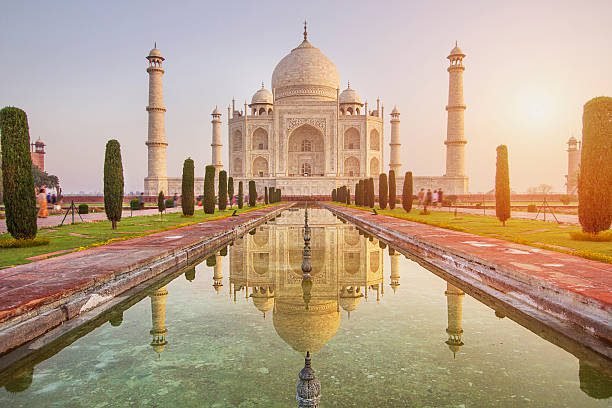
There is a particular quality to the morning light in November. At sunrise, when the sky is still indigo and the first guests filter into the Taj Mahal gardens, the marble picks up every shade of the changing light in a way that simply doesn't happen during the harsh midday hours. If there is one argument for being at the East Gate before the monument opens, November morning light is it.
Climate
The full arrival of North India's cool season. After the monsoon clears in September and October's lingering humidity fades, November settles into the kind of weather that makes outdoor sightseeing genuinely enjoyable.
Pre-Dawn
10°C
50°F
Cold enough to need a proper jacket for sunrise Taj Mahal visits. Bring layers specifically for the 6 AM hour.
Midday
27°C
81°F
Warm and pleasant with low humidity. Comfortable for walking the Taj complex and Agra Fort for hours.
Evening
16°C
61°F
Perfect for Mehtab Bagh at sunset. A light jacket is welcome once the sun drops behind the river.
Daytime temperatures sit comfortably between 26°C and 28°C (78–82°F) — warm enough that you won't need more than a light layer during the day, but cool enough that afternoon sightseeing at the Taj Mahal or Agra Fort doesn't feel punishing. The evenings cool quickly after sunset, dropping to around 12–15°C (54–59°F). If you're planning an early sunrise visit to the Taj Mahal — and you absolutely should be — bring a jacket. Pre-dawn Agra in November is genuinely cold.
Rain in November is rare to the point of being exceptional. The northeast monsoon that affects South India doesn't reach Agra, so you can plan outdoor days without any real concern about the weather disrupting your itinerary. Humidity stays low throughout the month, which makes the warmth feel far more bearable than India's summer months.
November weather note: Early morning mist can occasionally settle over the Yamuna River in late November. Rather than spoiling photographs, it adds a certain atmospheric drama to sunrise shots at the Taj Mahal — the dome emerging from low river fog is one of the monument's most memorable sights.
The Monument
Few places on earth reward an early start as much as the Taj Mahal. November gives you some of the finest light of the year — and the temperatures that make that early start genuinely pleasant.
There are few places in the world where the time of day matters as much as it does at the Taj Mahal, and November gives you some of the finest light of the year for that sunrise moment. The cool, clear mornings of November mean the sky is typically a deep indigo as you enter the complex, shifting through pink and gold as the sun climbs over the horizon. The marble — white inlaid with semi-precious stones — picks up every shade of that changing light in a way that photographs rarely capture adequately.
The Taj Mahal at sunrise — the most photographed view in India, for good reason
The Taj Mahal opens at sunrise and closes 30 minutes before sunset. It is open six days a week — closed every Friday, without exception, all year round. This is the single most important practical fact to build your Agra visit around. A Friday arrival means you will not see the Taj Mahal that day, regardless of the reason. Check the calendar before you book.
November sees more visitors than October, and December and January bring the heaviest tourist traffic of the year. November sits in a sweet spot — the cool season has arrived but the full Christmas-season peak hasn't. Arrive at the Taj Mahal at opening time and stay for the first hour. You'll have a very different experience from the midday crowds who arrive at 10 AM and find the viewing terraces at capacity.
Full moon night viewing: The Taj Mahal is open for a limited number of visitors on full moon nights. The experience of seeing the white marble by moonlight is entirely different from the daytime visit and is genuinely worth pursuing if your dates align. Night viewing tickets are sold separately and sell out well in advance — book as early as possible.
Sightseeing
Most visitors structure their Agra visit around the Taj Mahal — and that's the right instinct. But Agra rewards a slower pace if you have the time for it. Here are the four places that genuinely merit your attention.
01 — Must Visit
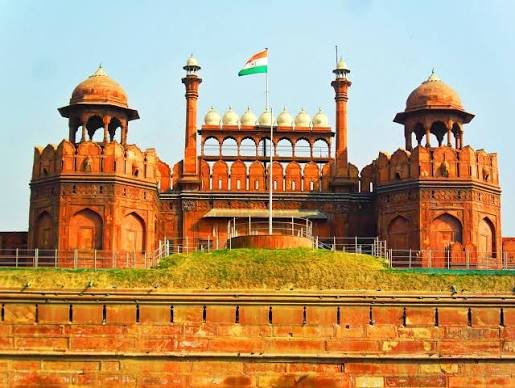
Agra Fort
The Mughal fort that tells the other half of the story the Taj Mahal begins. Shah Jahan — who built the Taj for his wife Mumtaz — spent the last eight years of his life imprisoned here by his own son Aurangzeb, able to see the Taj Mahal from his window. That detail alone makes Agra Fort one of the most emotionally resonant historical sites in India. Allow two to three hours; November's mild temperatures make it comfortable to explore the full complex without rushing.
UNESCO World Heritage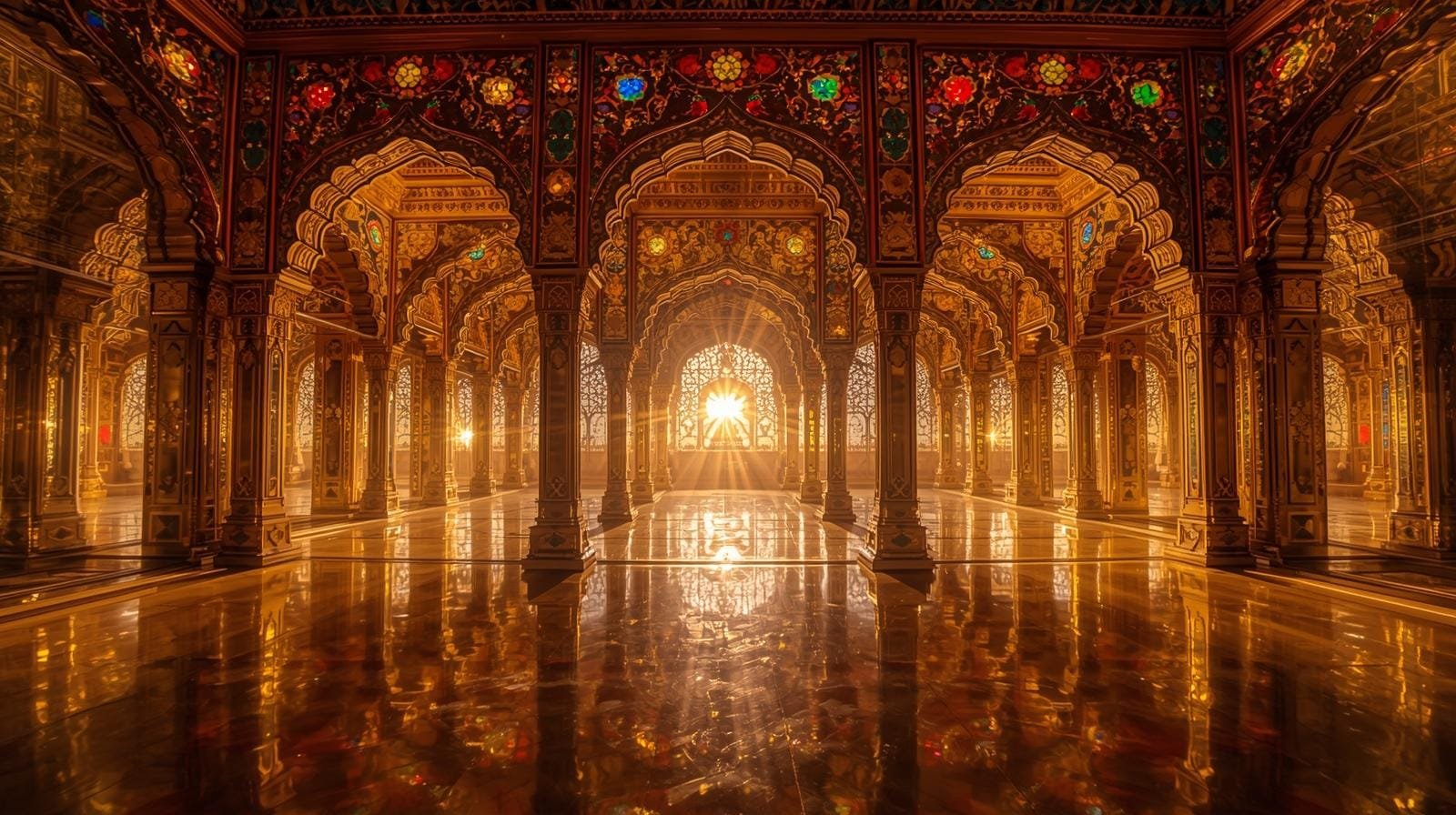
02 — Day Trip
Fatehpur Sikri
Forty kilometres west of Agra, Fatehpur Sikri is the abandoned Mughal capital that Akbar built, occupied briefly in the 1570s, and then deserted when the water supply proved inadequate. It is one of the most remarkably preserved ghost cities anywhere in the world — an entire royal complex of red sandstone palaces, mosques, and courtyards frozen at the moment of departure. November's clear skies make the warm-toned sandstone look particularly striking. Go in the afternoon when the light turns everything amber.
UNESCO World Heritage
03 — Sunset Spot
Mehtab Bagh
Directly across the Yamuna River from the Taj Mahal, Mehtab Bagh (the Moonlight Garden) is where Mughal emperors once viewed the monument from the opposite bank. It's quieter and far less photographed than the monument itself, which makes it one of the most peaceful places to spend an hour in Agra. Sunset here in November — when the sky turns orange and the white dome glows in response across the water — is genuinely one of the finest views in India.
Best at Sunset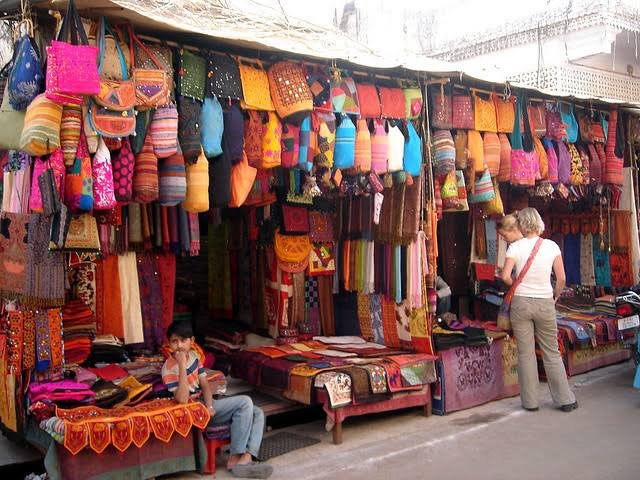
04 — Local Culture
Kinari Bazaar
The narrow lanes of the old city around the Taj Mahal are worth an hour on foot. Agra's traditional craft is marble inlay work — the same technique used to decorate the Taj itself — and the old lanes sell everything from intricate inlay boxes to street food. Petha is the local speciality: a translucent sweet made from white pumpkin, sold in dozens of varieties at the old shops near the Jama Masjid. The best shops have been in business for generations and are worth finding.
1 Hour on FootDay by Day
Whether you have one full day or two nights in Agra, this structure covers the essential monuments without rushing and leaves room for the quieter discoveries.
Taj Mahal Sunrise + Agra Fort + Old City
The essential Agra day — arrive the evening before or very early morning
Fatehpur Sikri + Sikandra + Onward to Jaipur
For those with a second day — ideally before driving west toward Jaipur
Transport
From Delhi, Agra is one of the most straightforward day trips or overnight stops in India. Three good options exist — each with a different tradeoff between speed, flexibility, and the things you get to see along the way.
Accommodation
Agra has good options at every price point. The main decision is whether you want the closest possible proximity to the Taj Mahal or a quieter base a short drive away.
Luxury
The Oberoi Amarvilas
Taj East Gate Road
Every room at the Oberoi faces the Taj Mahal — the view from the terrace at sunrise is one of the finest in India. The gold standard for a Taj Mahal stay, with the service and attention to detail that the Oberoi brand is known for. Book this well in advance for November.
Mid-Range
Fatehabad Road Hotels
Fatehabad Road
A quieter, more comfortable base than the busy Taj Ganj area, with easy access to all the main monuments by auto-rickshaw or tuk-tuk. Trident Agra and ITC Mughal are both reliable mid-range choices in this corridor with good grounds and swimming pools.
Budget
Taj Ganj Guesthouses
Taj Ganj (South Gate)
Walking distance from the Taj Mahal South Gate, with dozens of guesthouses and small hotels on the lanes behind it. The area is chaotic and atmospheric in equal measure. Several rooftop restaurants serve breakfast with direct Taj views — a good trade-off for those who want the closest proximity at the lowest price.
Preparation
The temperature difference between a 6 AM Taj Mahal visit and the same afternoon is 15–17 degrees. Layering is everything.
Bigger Picture
Most international visitors experience Agra as the second stop on the classic Golden Triangle route — Delhi, Agra, Jaipur — and November is one of the finest months for this circuit. The weather across all three cities is entirely consistent: warm days, cool evenings, clear skies. There is no rain to plan around, no extreme heat, and the light at sunrise and sunset is at its most photogenic across all three destinations simultaneously.
A typical Golden Triangle itinerary in November covers the circuit in five to seven days, spending one or two nights in each city. Agra typically gets one overnight stay — enough for a sunrise Taj Mahal visit, Agra Fort in the morning, and an afternoon drive to Jaipur or a detour through Fatehpur Sikri on the way. Two nights in Agra is a slower pace but allows for Mehtab Bagh, the old city, and a proper half-day at Fatehpur Sikri without feeling rushed.
November falls into the period when international flight prices to Delhi are still reasonable before the Christmas spike, and the three cities of the Golden Triangle all have hotel availability at this point in the season. It is worth booking accommodation in Agra in advance, particularly for the first two weeks of November when the shoulder season transitions into the main tourist peak.
"November is the quiet before the storm of December crowds — and the weather is exactly as good, if not better."
Plan Your Trip
We design private Golden Triangle itineraries for international visitors — with a local expert, private car, and every detail handled from arrival to departure.