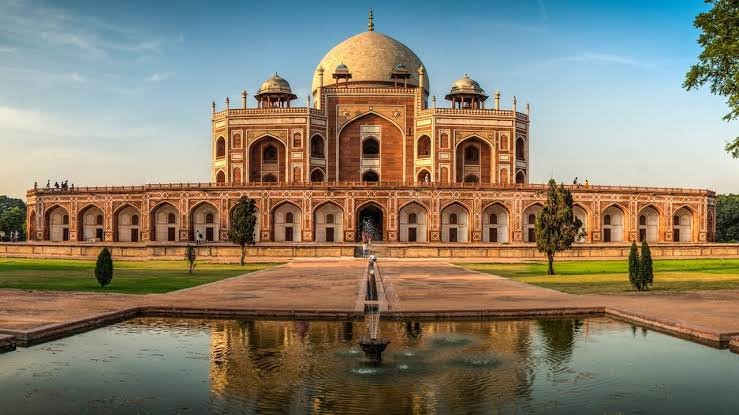
If you are planning your first trip to India and wondering whether November is a good time to visit Delhi — the short answer is yes, it might be the single best month of the year. The brutal summer has long gone, the monsoon is a memory, and the tourist crush of late December has yet to arrive. What you get instead is a city at its most liveable: clear skies, manageable temperatures, and a cultural calendar that runs almost every week.
This guide covers everything you need to know about Delhi in November 2026 — from the exact temperatures to expect each week, to the festivals lighting up the city, to the neighbourhood streets most worth walking. Whether you are spending two nights en route to Rajasthan or building your whole trip around the capital, November rewards you.
November Weather in Delhi 2026
November sits in the sweet spot between Delhi's two extremes. The monsoon exits by early October, and the bone-cold January fog is still weeks away. What that leaves is daytime warmth you can actually enjoy — bright afternoons in the high twenties — and cool mornings that make outdoor sightseeing genuinely pleasant.
Early November — the first two weeks — is the warmest part of the month. Afternoons comfortably reach 27°C with low humidity, which makes it ideal for walking the Red Fort, exploring Mehrauli, or spending a morning at Humayun's Tomb without wilting. By the second half of the month temperatures ease back; lows drop toward 13–14°C, and you will want a light layer for evenings.
Air quality note. Delhi's air quality in November can be variable, particularly in the first ten days following Diwali when post-harvest stubble burning in neighbouring Punjab and Haryana adds to urban pollution. Mornings tend to be hazy more often than afternoons. If air quality is a concern, building outdoor monuments and gardens into your late-morning itinerary rather than early morning gives the air time to clear. Good quality N95 masks are widely available across the city if needed.
Layers are your friend. Pack light cotton clothes for daytime (you will still sweat at midday) and a light jacket or cardigan for evenings, especially if you plan to visit rooftop restaurants or take a sunset boat ride. Comfortable walking shoes matter more than anything else — Delhi's major sites involve considerable cobblestone walking.
Festivals & Events in Delhi, November 2026
November 2026 is one of the richest months in Delhi's festival calendar. The city transitions from the Diwali season into a run of events that are genuinely special for international visitors — and far less crowded than the same festivals attract a month later.
Guru Nanak Jayanti — 5 November 2026
The birthday of Sikhism's founder Guru Nanak Dev Ji falls on 5 November 2026 — coinciding this year with Dev Deepawali on Kartik Purnima. Delhi's Sikh community is substantial, and the city's gurudwaras — particularly Gurudwara Bangla Sahib near Connaught Place — are alive with kirtan (devotional singing), langar (community meals open to all), and candlelit processions. Attending langar at Bangla Sahib is one of those Delhi experiences that stays with visitors long after they leave. It is completely free, open to everyone regardless of faith, and deeply moving.
November is one of the finest months for a Taj Mahal day trip from Delhi. Temperatures in Agra stay comfortable (similar to Delhi), the monument is free of the worst crowds, and the afternoon light in autumn is exceptional. Note: the Taj Mahal is closed every Friday. If you plan to visit from Delhi, go Tuesday–Thursday or Saturday–Sunday for the fullest experience.
Best Things to Do in Delhi in November
November's manageable temperatures mean you can actually walk Delhi's historic sites without the exhaustion that accompanies a June visit. These are the experiences that reward the cooler season most.
Qutub Minar — November's Best-Lit Monument
The 72-metre Qutub Minar is India's tallest brick minaret and, in the clear November light, one of its most photogenic. The Qutub complex at Mehrauli holds a thousand years of Delhi's layered history in one walled precinct — ancient mosques, the rust-free Iron Pillar, and Mughal-era pavilions among the ruins. November afternoons, when the low sun catches the red sandstone, are particularly good for photography. The complex is open until sunset.
Delhi's Neighbourhood Walks
Beyond the monuments, November is the season for simply walking Delhi's distinctive neighbourhoods. Hauz Khas Village combines a medieval water reservoir and deer park with independent cafés, bookshops and galleries — the kind of afternoon that doesn't fit any particular guidebook category. Khan Market's lanes are worth an hour for book browsing. And the Lodhi Art District along Lodhi Colony's residential streets, where internationally commissioned murals cover the building walls, is best seen on foot at your own pace.
Day Trips from Delhi in November 2026
November's pleasant temperatures make Delhi an ideal base for day trips to sites that can be punishing in summer. Three are worth highlighting here.
Agra — Taj Mahal & Agra Fort (3.5 hrs by road or train)
The Yamuna Expressway makes Agra reachable in under three hours from South Delhi by car, and the Gatimaan Express train from Hazrat Nizamuddin reaches Agra Cantonment in 100 minutes. November's cool air and clear skies make the Taj Mahal more rewarding than at almost any other time of year. The white marble is cleanest in the post-monsoon months, and the afternoon reflections in the front pool are at their most vivid. Combine it with Agra Fort across the river and consider ending the day at Mehtab Bagh on the opposite bank — the garden that gives you the Taj Mahal at sunset from across the Yamuna. Remember: Taj Mahal closed Fridays, and advance timed tickets are required.
Jaipur — Pink City (5 hrs by road, 4.5 hrs by train)
November is prime Jaipur season. The Amber Fort, City Palace, and Jantar Mantar are all at their best when daytime temperatures stay in the 25–28°C range. If you have two nights available, a Delhi–Jaipur–Delhi loop forms the core of India's classic Golden Triangle. Pushkar Camel Fair falls in late October / early November and draws one of India's most atmospheric desert markets within easy reach of Jaipur.
Rishikesh & Haridwar (5 hrs by road)
The upper Ganges towns are a compelling counterpoint to Delhi. Haridwar's Ganga Aarti at Har Ki Pauri ghat — where priests swing fire lamps over the river at dusk while the current carries thousands of floating diyas — is one of north India's most moving experiences. November weekday evenings are calmer than peak season; the ceremony runs every evening year-round, but post-Diwali the river still carries a particular sense of occasion.
Practical Tips for Delhi in November
Getting Around
Delhi's Metro is the cleanest and most reliable way to cross the city — the Yellow Line connects the airport to central Delhi and runs to Hauz Khas and Qutub Minar. App-based cabs (Uber and Ola) work well for monuments not on Metro routes. For Old Delhi, rickshaws and walking are the only practical options in the narrow lanes.
Where to Stay
For international visitors, Lutyens' Delhi (around Connaught Place and Khan Market) places you centrally for historic New Delhi, while proximity to the Metro means Old Delhi and southern monuments remain easy to reach. South Delhi's Lodi Colony and Jor Bagh areas offer quieter, residential hotels well-suited to the neighbourhood walks that November rewards.
Book in Advance
- Taj Mahal tickets (timed-entry, limited daily slots)
- Akshardham water show (Tue–Sun, sell out weekends)
- India International Trade Fair — popular state pavilions get crowded at weekends
- Private guides for Red Fort and Qutub Minar
Visa
Most visitors from the US, UK, Australia, Canada, and Europe can obtain an Indian e-Visa online before travel. Apply at least four business days before departure; five to seven days is safer during peak November–March season when application volumes are higher. Check the official Indian government e-Visa portal for the current fee and processing time for your nationality.
Health & Safety
Drink only bottled or filtered water. Delhi street food is worth eating, but stick to busy stalls with high turnover. A standard travel insurance policy covering medical repatriation is strongly recommended. The British, US, Australian, and Canadian High Commissions in Delhi all operate emergency consular services if needed.
Currency
Indian Rupees (INR). ATMs are widely available throughout Delhi, including at Indira Gandhi International Airport on arrival. Major hotels and restaurants accept international cards; Old Delhi markets and local transport operate cash-only. Avoid unofficial money changers; use a bank ATM or the Thomas Cook / Western Union counters at the airport for the best rates.
How Many Days in Delhi?
For a first-time visitor, three full days in Delhi is the minimum that does it justice — one day for Old Delhi (Red Fort, Jama Masjid, Chandni Chowk), one for Mughal monuments in the south (Humayun's Tomb, Lodi Garden, Qutub Minar), and one for New Delhi's wider geography (India Gate, Rajpath, Akshardham). Most international travellers find four to five days gives them space to linger in the places they fall in love with, which they invariably do. November's mild temperatures mean fatigue from touring is far less than in summer — you can genuinely cover more ground per day.
If you are combining Delhi with Agra and Jaipur — the classic Golden Triangle — allow at least eight to ten days for the full circuit to feel unhurried. A rushed Golden Triangle in five days leaves everyone wanting more time in each city. Our recommended pacing is two nights Delhi, one night Agra, two nights Jaipur, with an optional extension to Ranthambore National Park for a tiger safari.
India Standard Time is UTC +5:30. There are no time-zone boundaries within India, which simplifies logistics considerably. Delhi (IST) is 10.5 hours ahead of EST, 5.5 hours ahead of GMT. November's early sunsets (around 5:30 pm) mean that mid-afternoon is the last practical window for outdoor monuments; plan accordingly and build evenings around street food, markets, and cultural performances.