

The Honest Answer Before We Begin
India is one of the most extraordinary travel destinations on earth. And for British travellers, it is also one of the best value destinations anywhere in the world.
But before we get into numbers — here is the most important thing to understand. India does not have one price. It has dozens. Your trip cost depends almost entirely on three things: how long you go for, where you stay, and whether you travel independently or with a private tour operator.
A budget backpacker spending two weeks in India can do it comfortably for under £1,000 all in. A couple wanting a private tour with heritage hotel stays and a knowledgeable guide can spend £4,000 to £6,000. A luxury traveller staying in palace hotels can spend much more than that.
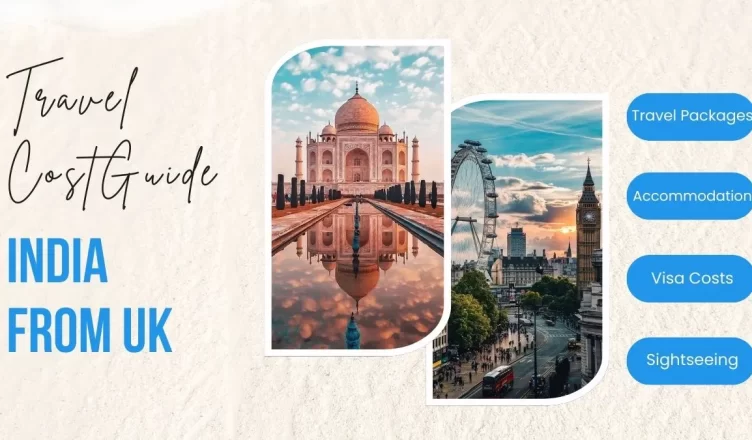
This guide breaks down every cost, in pounds sterling, for British travellers planning an India trip in 2026. Flights. Visa. Hotels. Food. Transport. Tours. Tips. Travel insurance. The works. By the end of this guide you will have a realistic budget number — not a vague estimate — for the exact kind of India trip you want to take.
Why India is Exceptional Value for UK Travellers
The British pound is strong against the Indian rupee. The current exchange rate sits at approximately £1 to ₹100 INR. That means every pound you spend goes significantly further in India than almost any other long-haul destination.
A comfortable hotel room that would cost £150 per night in London costs £20 to £40 in Jaipur at the same standard. A restaurant meal that would set you back £25 in Manchester costs £3 to £5 at a good Indian restaurant. A guided tour that would cost £200 per person in Europe costs £30 to £60 in India.
A mid-range two-week trip to India costs approximately £1,800 to £2,400 for UK travellers all in — including flights. That is comparable to what many Britons spend on a week in a European beach resort, for a trip that most people describe as the most memorable experience of their lives.
Let’s break down exactly where every pound goes.
The Big Picture: Total Trip Costs at a Glance
Before the detailed breakdown, here is a quick reference by travel style for a two-week India trip from the UK:
Budget Traveller (hostels, local transport, street food)
Total: £900 to £1,400 per person including flights
Mid-Range Traveller (3-star hotels, private cab, restaurant meals)
Total: £1,800 to £2,800 per person including flights
Comfortable Traveller (4-star hotels, private guided tour)
Total: £2,800 to £4,500 per person including flights
Luxury Traveller (palace hotels, premium private tour)
Total: £5,000 to £10,000+ per person including flights
Now let’s go line by line.
Cost 1: Flights from the UK to India
Flights are typically the biggest single cost in your India budget.
Flights from the UK to India generally run £450 to £900 return economy, depending on the season and departure airport. Here is how the pricing breaks down in more detail:
Budget window (cheapest): The cheapest time of year to fly from the UK to India is usually October, with return fares available from around £236 to £307 on budget carriers. These prices are on the lower end and typically involve connections or less convenient timing.
Realistic economy return: £450 to £700 from London Heathrow or London Gatwick, booked two to four months in advance, on established carriers such as Air India, British Airways, or Emirates.
Peak season (December to February): Expect to pay £700 to £1,000+ return during the Christmas and New Year period when demand from both UK tourists and the British-Indian diaspora visiting family pushes prices up sharply.
Direct vs indirect: London to Delhi direct takes approximately 9 hours on Air India or British Airways. One-stop flights via Dubai, Doha, or Abu Dhabi (with Emirates, Qatar Airways, or Etihad) often come in cheaper and are frequently the best value option for UK travellers. The extra travel time is typically two to three hours.
Regional airports: Flying from Manchester, Birmingham, or Edinburgh often involves a connection, which adds journey time but can occasionally offer competitive pricing. London Heathrow remains the most competitive departure point for India routes.
Pro tip: Book your India flights three to four months in advance. Last-minute fares from the UK to India are expensive. If you are travelling October to March — which is peak India travel season — book even earlier. December in particular sells out fast.
Cost 2: India e-Tourist Visa
UK citizens require a visa to visit India. The good news is the process is simple and done entirely online.
The India e-Tourist Visa costs approximately £25 for 30 days, £40 for one year, or £80 for five years — plus a 3% bank transaction charge. Fees are non-refundable.
For most UK visitors, the one-year multiple entry visa at £40 is the best choice. It gives you flexibility on your stay length and covers you if you ever return to India within the year.
Apply at the official Government of India portal at indianvisaonline.gov.in. The visa arrives in your email within three to four business days in normal processing. Apply at least two weeks before travel to be safe.
The e-Visa is valid for entry at 28 designated airports including Delhi, Mumbai, Kochi, Chennai, Bengaluru, Goa, Varanasi, Jaipur, and Leh. It is not valid at land borders.
Budget for visa: £40 to £45 including the transaction fee.
Cost 3: Travel Insurance
Non-negotiable. Do not travel to India without it.
Good comprehensive travel insurance for a two-week India trip from the UK costs approximately £35 to £80 per person. This covers medical evacuation, trip cancellation, lost luggage, and emergency repatriation — all of which matter more in a destination where private medical care for foreigners can be expensive.
Look for a policy that specifically covers adventurous activities if you plan to do trekking, safaris, or motorcycle journeys.
Budget for travel insurance: £40 to £80.
Cost 4: Accommodation in India
This is where India’s value really shows up. The range of accommodation options — from £4-per-night dormitory beds to £500-per-night palace hotels — is wider in India than almost anywhere else.
Budget accommodation (hostels, basic guesthouses)
£6 to £18 per night. Clean, safe, and often in excellent locations. India’s hostel scene has improved dramatically and many properties now offer private rooms at budget prices.
Mid-range (3-star hotels, nice guesthouses)
£25 to £70 per night. This bracket gets you air-conditioned rooms, decent bathrooms, breakfast included, and a comfortable base in all the major tourist cities. This is the sweet spot for most UK visitors.
4-star and boutique heritage hotels
£70 to £150 per night. In Jaipur, Udaipur, and Agra you can stay in genuinely stunning heritage havelis and boutique properties at this price point — the equivalent would cost three to four times as much in Europe.
Luxury palace hotels and 5-star resorts
£180 to £500+ per night. Flights from the UK generally run £500 to £1,000 return, with direct flights from London to Delhi. India’s luxury hotel scene is world-class — the Oberoi Amarvilas in Agra with its Taj Mahal views, the Rambagh Palace in Jaipur, and the Taj Lake Palace in Udaipur are genuinely among the finest hotels in the world.
Typical two-week accommodation cost:
- Budget: £85 to £250 total
- Mid-range: £350 to £700 total
- 4-star: £700 to £1,400 total
- Luxury: £1,800 to £5,000+ total
Cost 5: Food & Drink
Food in India is extraordinary — and extraordinarily cheap by UK standards.
Street food and local dhabas: £1 to £3 per meal. A plate of dal makhani with roti costs roughly ₹150 to ₹250 — under £3. Chai from a roadside stall is ₹15 to ₹30 — literally pennies.
Mid-range restaurants: £4 to £12 per meal. A proper sit-down restaurant meal with a starter, main, and drinks in any major tourist city typically costs £5 to £10 per person.
Upscale restaurants: £15 to £35 per meal. India’s fine dining scene — particularly in Delhi and Mumbai — is exceptional at prices UK visitors find very reasonable.
Alcohol: India is not a dry country, though alcohol is more expensive relative to food than UK visitors expect. A beer in a restaurant costs £1.50 to £3. Wine is more expensive and quality varies. If you are a regular drinker, build in £5 to £10 per day.
Daily food budget by travel style:
- Budget: £8 to £15 per day
- Mid-range: £18 to £35 per day
- Comfortable: £35 to £60 per day
Two-week food total:
- Budget: £112 to £210
- Mid-range: £252 to £490
- Comfortable: £490 to £840
Cost 6: Transport Within India
Getting around India is inexpensive — especially compared to UK domestic travel.
Domestic flights: India’s low-cost carrier market (IndiGo, Air India Express, SpiceJet) offers excellent value. A Delhi to Kochi flight — roughly equivalent to flying London to Edinburgh — costs £25 to £70 booked in advance. If you are combining North and South India, one or two domestic flights are worth the cost to save travel time.
Trains: Indian Railways is one of the great travel experiences in the world and is very affordable. An overnight train in 2AC class (air-conditioned, comfortable sleeper) between major cities costs £10 to £25. The high-speed Vande Bharat Express between Delhi and Agra — under two hours — costs approximately £5 to £12. Book through IRCTC at least four to six weeks in advance for popular routes.
Private car with driver: For the Golden Triangle and Rajasthan, a private AC car with an experienced driver is the most comfortable and flexible option. On a private tour the per-person cost falls as your group grows, since the car and driver cost is shared. For two people, expect to pay approximately £40 to £80 per day for a private car and driver on an all-inclusive basis — this covers fuel, tolls, driver expenses, and the vehicle.
Auto-rickshaws and city rides: Ola and Uber operate in all major Indian cities. Typical city rides cost £0.50 to £2. Auto-rickshaws are slightly cheaper and a quintessential India experience — always agree on a fare in advance or insist on the meter.
Two-week transport budget (excluding flights):
- Budget (trains + local): £80 to £150
- Mid-range (mix of train + private cab): £200 to £400
- Private tour with car: £350 to £700
Cost 7: Entrance Fees & Activities
India’s monument entrance fees are one of the few areas where there is a price difference between Indian nationals and foreign visitors.
Taj Mahal: The entry fee for the Taj Mahal is approximately £13 for foreign nationals in 2026, plus an additional fee to enter the main mausoleum. Budget around £18 to £22 for the full experience.
Other major monuments (Agra Fort, Amber Fort, Qutub Minar, Red Fort): £4 to £10 per site for foreign nationals.
National parks and tiger safaris: Ranthambore jeep safari approximately £15 to £30 per person depending on zone. Jim Corbett approximately £10 to £25.
Yoga and wellness retreats: Kerala Ayurvedic treatments cost £20 to £60 per session — a fraction of UK spa prices.
Cultural experiences (cooking classes, craft workshops): £10 to £30.
Two-week activities budget:
- Budget sightseeing: £60 to £120
- Full sightseeing with safari: £150 to £300
- Premium experiences: £300 to £600
Cost 8: Guided Tours
For many UK travellers — particularly first-time visitors — booking a private guided tour is the most sensible and enjoyable way to see India. A good guide transforms a visit to the Taj Mahal, Amber Fort, or Varanasi’s ghats from a sightseeing trip into an experience you remember for the rest of your life.
At Squid Travel India, our private guided packages for UK visitors typically include:
- Airport pickups and all private transfers
- Licensed, expert guides at every monument
- Pre-booked monument tickets
- Hotel accommodation at your chosen standard
- Daily breakfast
- 24/7 support throughout your trip
Prices depend on duration, hotel standard, and group size — but as a guide:
5-day Golden Triangle (Delhi, Agra, Jaipur)
From approximately £350 to £650 per person (land only, excluding flights) at mid-range hotel standard. Palace hotel upgrades available.
10-day North India (Golden Triangle + Rajasthan)
From approximately £700 to £1,400 per person land only at mid-range standard.
14-day North + South India (Golden Triangle + Kerala)
From approximately £1,200 to £2,200 per person land only.
These prices are significantly below what equivalent private guided tours cost in Europe or Japan — and the quality of experience is world-class.
Cost 9: Tips & Miscellaneous
Tipping is customary in India and forms an important part of guides’ and drivers’ income.
Driver tips: £3 to £5 per day is appreciated and standard.
Guide tips: £5 to £10 per day for a full day’s guiding.
Hotel staff: £1 to £2 per service.
Restaurant tips: 10% in sit-down restaurants if not already included.
SIM card: Buy a local prepaid tourist SIM at the airport on arrival. Airtel or Jio. Costs approximately £5 to £8 for a data-heavy plan that will cover two weeks. Far cheaper than UK roaming charges.
Shopping: India is a world-class shopping destination for textiles, jewellery, spices, handicrafts, and leather. Budget whatever your self-control allows — but set aside at least £50 if you enjoy markets.
Miscellaneous contingency: Always carry a buffer of £100 to £200 for unexpected costs — extra buffer days, medical expenses, or simply things that catch your eye.
The Complete Cost Summary: India Trip from UK in 2026
Here is the full two-week budget table in pounds sterling:
| Cost Item | Budget | Mid-Range | Comfortable | Luxury |
|---|---|---|---|---|
| Flights (return) | £300–£500 | £500–£700 | £600–£900 | £800–£1,200 |
| India eVisa | £40 | £40 | £40 | £40 |
| Travel Insurance | £40 | £55 | £70 | £80 |
| Accommodation (14 nights) | £85–£250 | £350–£700 | £700–£1,400 | £2,000+ |
| Food & Drink | £112–£210 | £252–£490 | £490–£840 | £840+ |
| In-country Transport | £80–£150 | £200–£400 | £350–£700 | £500–£900 |
| Entrance Fees | £60–£120 | £100–£200 | £150–£300 | £250–£500 |
| Tips & Miscellaneous | £50–£100 | £100–£150 | £150–£200 | £200–£300 |
| TOTAL (per person) | £770–£1,370 | £1,597–£2,735 | £2,550–£4,450 | £4,710+ |
These figures align with broader research: a mid-range two-week trip to India costs approximately £1,800 to £2,400 for UK travellers including flights.
Money-Saving Tips for UK Travellers
Book flights in October or November for travel later in the year. Prices for December to March flights rise significantly once the school holiday calendars are set.
Travel shoulder season — September or late February to March. You get near-peak season weather with lower prices and thinner crowds.
Travel in a group. The per-person cost of a private car, driver, and guide falls sharply when split between two, three, or four people. A couple typically saves 30 to 40% compared to solo pricing on private tour packages.
Mix accommodation levels. Splurge on one or two nights in a heritage palace hotel and stay at mid-range properties the rest of the time. The contrast is worth it and the budget balances out.
Eat where locals eat. The best food in India is often the cheapest. A thali that costs ₹200 at a dhaba is frequently better than the ₹800 version at a tourist restaurant.
Book domestic flights and trains early. The Vande Bharat Express and other premium trains sell out weeks in advance during peak season. Book on IRCTC as soon as your trip dates are confirmed.
What Do UK Travellers Typically Get Wrong About India Costs?
Underestimating flights. The cheapest advertised fares require significant flexibility on dates and often involve inconvenient connections. Budget for £500 to £700 return economy as your base assumption, and you will be pleasantly surprised if you do better.
Not budgeting for monument fees. The Taj Mahal, Agra Fort, Amber Fort, Qutub Minar, and Humayun’s Tomb add up quickly. A full Golden Triangle sightseeing programme can cost £80 to £120 in entrance fees alone.
Skipping travel insurance. Private medical care for foreign nationals in India can be expensive. A serious illness or injury without insurance is financially catastrophic. It is the one cost that is genuinely non-negotiable.
Not carrying enough cash. India is increasingly cashless in cities — UPI and cards work in most restaurants and hotels. But cash is essential for rickshaws, street markets, smaller guesthouses, and tips. Carry the equivalent of £100 to £150 in rupees at all times.
Going too cheap on accommodation in Agra. Budget accommodation near the Taj Mahal varies enormously in quality. In Agra specifically, it is worth spending a little more for a clean, safe, well-located hotel — the experience of the Taj Mahal does not need a bad night’s sleep beforehand.
Is India Worth the Cost for UK Travellers?
The answer from the 900,000+ British visitors who travel to India every year is a unanimous yes.
India attracts over 900,000 UK visitors annually, with consistent year-over-year growth. Once you factor in the value you receive — the history, the food, the hospitality, the sheer variety of experience — India represents better value than almost any other long-haul destination available to UK travellers.
For the cost of a week in Ibiza, you can spend two weeks travelling through one of the most extraordinary civilisations in human history. The Taj Mahal at sunrise. The ghats of Varanasi. Tiger safari in Ranthambore. Kerala’s backwaters. Rajasthan’s desert forts. All of it — within a budget that most British families can genuinely afford.
Plan Your India Trip with Squid Travel India
At Squid Travel India, we specialise in crafting perfect India holidays for UK visitors. We are TripAdvisor Travelers’ Choice 2024 and 2025. Over 1,800 trips completed. 98% happy clients.
We handle everything: private airport pickups, licensed guides at every monument, pre-booked tickets, comfortable transport, and hotel bookings at whatever standard suits your budget. You tell us your dates, your group size, and how you like to travel — we do the rest.
📞 Call / WhatsApp: +91 9990812499
📧 Email: Squidtravelindia@gmail.com
🌐 Website: squidtravelindia.com
Contact us today for a free, no-obligation India trip quote tailored specifically for UK visitors.

Comment (1)