

If you are planning your first trip to India and want to choose the single best month to go, the honest answer is January.
Not October. Not February. January.
January is when India is at its most visitor-friendly — cool, clear, and spectacularly vibrant. The Taj Mahal shines under a vivid winter blue sky. Ranthambore National Park is open and tiger sightings are at their seasonal best. The beaches of Goa and Kerala are warm and sunny. Rajasthan’s desert landscape is comfortable to explore. And on January 26, India puts on one of the largest public parades on earth for Republic Day.
This guide covers every major destination across India in January 2027 — weather city by city, what’s open, what’s happening, and how to plan your trip.
The Big Picture: What January in India Actually Means
January is the heart of India’s peak tourist season, which runs from October through March. The southwest monsoon is long gone. Temperatures across North India are at their annual minimum — cool and deeply pleasant. Visibility is at its best. The skies are clear and the light is extraordinary for photography.
January also means crowds at the most famous monuments. The Taj Mahal in January sees 10,000 to 15,000 visitors on a busy day. Amber Fort in Jaipur fills up by 10 AM. If you want the monuments to yourself, you need to be at the gates at opening time — but the rewards are worth it.
The one note of caution for January in North India is morning fog. Delhi, Agra, and the flat plains of Uttar Pradesh are prone to dense winter fog in December and January — sometimes for days at a time. When fog hits, train schedules are disrupted and the Taj Mahal disappears entirely from view until late morning. We cover this in detail below.
January Weather City by City
Delhi in January 2027
January is Delhi’s coldest month. Daytime temperatures average 14°C to 20°C — jacket weather for Indians, pleasant autumn weather for most European visitors. Mornings and evenings drop to 5°C to 8°C, and some nights dip below 5°C. Pack a proper warm layer for Delhi in January, not just a light cardigan.
Fog is the defining weather feature of Delhi in January. Dense ground fog — not cloud, not rain, but thick morning fog rising from the Yamuna and the surrounding plains — can reduce visibility to near zero in the early mornings. On clear January mornings — which are frequent — Delhi is spectacular. The winter light is clean and golden. The air quality in January is the best of the entire cold season.
The Republic Day preparations make Delhi particularly vibrant through the second half of January. The Kartavya Path is set up for the January 26 parade from around January 15 onwards. The India Gate area becomes a venue of cultural performances and public festivity in the week before Republic Day.
Agra and the Taj Mahal in January 2027
The Taj Mahal in January is extraordinary — when the sky is clear. Under a deep blue winter sky with no heat haze and low-angle winter light, the white marble of the Taj glows in a way that the harsh summer sun simply does not produce.
The fog risk is real and must be acknowledged. Agra, sitting on the flat Yamuna plain, is one of the worst-affected cities for winter fog in India. On heavy fog days — which can last 3 to 4 consecutive days in January — the Taj Mahal is invisible from the main entrance at dawn and barely visible by 9 AM. The fog typically lifts by 10 AM to noon on such days, revealing the monument in full.
The solution: book two nights in Agra instead of one. Two nights gives you two dawn attempts at the Taj Mahal. Even if your first morning is foggy, the second is statistically likely to be clearer. The Taj Mahal is closed every Friday, so build this into your scheduling.
The gardens inside the Taj Mahal complex are beautifully maintained in winter — the lawns are green and manicured, and the monument reflects in the full central water feature. January is the finest time of year for the long reflecting pool at the Taj to be at full level.
Jaipur in January 2027
Jaipur in January is magnificent. The Pink City under a clear winter blue sky — Amber Fort’s sandstone glowing in low winter light, the City Palace’s white marble vivid against the Aravalli Hills — is precisely the Jaipur of postcards. Temperatures are 10°C to 22°C. The mornings are brisk but the sightseeing conditions are perfect.
The Jaipur Literature Festival takes place in late January — typically the last week of January, expected around January 22 to 26 in 2027. The JLF is one of the world’s largest literary festivals, attracting authors from across India and internationally. Held at Diggi Palace, it is free to attend for public events and creates an intellectually charged atmosphere across the city.
Ranthambore National Park in January 2027
January is one of Ranthambore’s prime tiger-sighting months. The park opened on October 1 after the monsoon closure, and by January the tigers are fully active in their territories. The winter cold keeps them moving during the day — unlike summer months when cats rest in the shade.
January safari conditions: early morning temperatures of 8°C to 12°C (dress warmly in the open jeep), warming to 18°C to 22°C by midday. Tiger sighting probability from an experienced operator with good zone allocation: 65 to 75% across two morning safaris. Book safaris and accommodation at least 2 to 3 months in advance for January 2027.
Goa in January 2027
January is Goa’s finest month. The monsoon is long finished. The sea is calm and warm — 26°C to 28°C water temperature. The skies are vivid blue and dry. Daytime air temperature is 26°C to 32°C. North Goa’s beach shacks are all operating. The water is clear and swimming is excellent everywhere.
New Year celebrations bring significant crowds in the first week — book accommodation well in advance if you are visiting early January. By mid-January, the post-New Year crowds thin and January 15 to 31 is the sweet spot for Goa — perfect weather, manageable crowds, peak beach conditions.
Kerala in January 2027
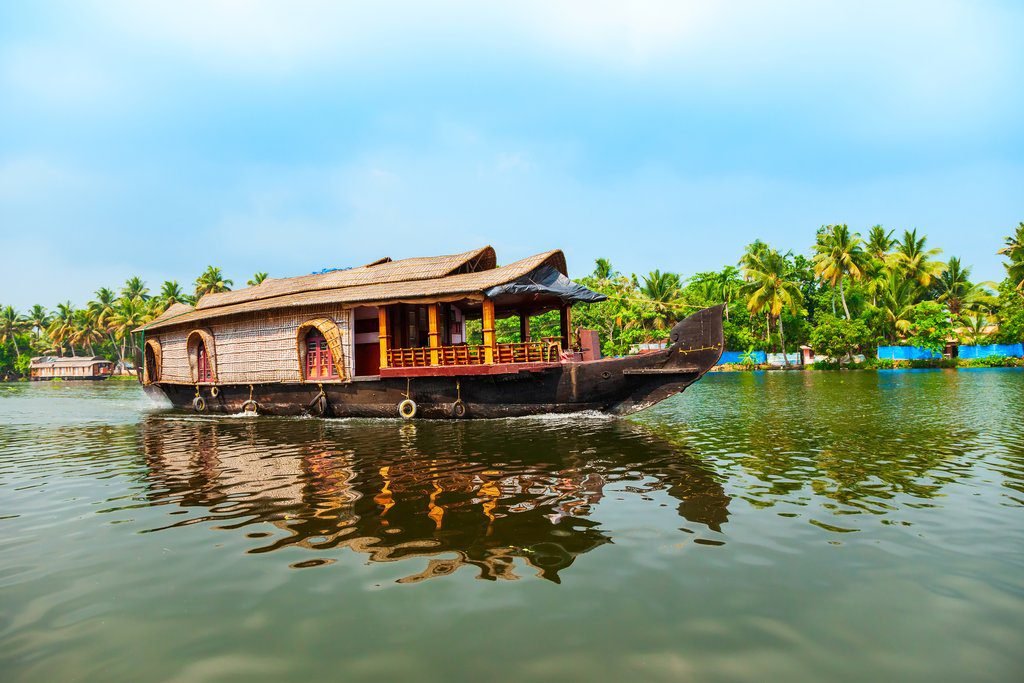
Kerala in January is everything the brochures promise. The backwaters of Alleppey are placid and warm. The tea gardens of Munnar are cool and clear. The beaches of Varkala and Kovalam are safe for swimming. Temperatures across Kerala in January are 22°C to 32°C at sea level and 8°C to 18°C in the hill stations.
A houseboat on the backwaters in January — warm evenings, still water, kingfishers and otters in the canal margins — is one of the finest travel experiences in India.
Rajasthan in January 2027
The full sweep of Rajasthan is at its most comfortable in January. Udaipur, Jodhpur, and Jaisalmer — cities that become brutally hot in April through June — are ideal for exploring in January. Temperatures in Jodhpur are 8°C to 25°C. In Jaisalmer on the Thar Desert edge, days are warm (20°C to 26°C) and nights can be surprisingly cold (5°C to 8°C) — bring warm clothing for desert camping.
Varanasi in January 2027
Varanasi in January is cold, misty, and spiritually intense. Morning temperatures on the ghats reach 8°C to 12°C. The sunrise boat ride on the Ganges in January means sitting in an open wooden boat at 5:30 AM in brisk winter air with the river mist rising around you — bring every layer you have. The ghats at dawn in January fog and winter light are arguably the most atmospheric version of Varanasi that exists. The Ganga Aarti ceremony at Dashashwamedh Ghat each evening is as powerful in January as in any other month.
Republic Day — January 26, 2027
Republic Day is India’s second most important national holiday, celebrating the adoption of the Constitution of India in 1950. In Delhi, it is marked by one of the largest military and cultural parades on earth — stretching the full length of Kartavya Path from Vijay Chowk to India Gate, with military regiments, cultural floats representing every Indian state, school marching bands, and a flypast by the Indian Air Force.
The parade begins at approximately 9:30 AM on January 26. Tickets are available through the official portal at aamantran.mod.gov.in and sell out weeks in advance. Purchase tickets in January as soon as they become available — typically 2 to 3 weeks before Republic Day.
Being in Delhi on January 26 without a parade ticket is still worthwhile. India Gate and the surrounding lawns fill with families from across the country. The Beating Retreat ceremony on January 29 at Vijay Chowk is one of the most visually impressive military ceremonies in Asia.
The Golden Triangle in January 2027
The Delhi-Agra-Jaipur Golden Triangle in January is the combination that most first-time India visitors are planning when they picture a North India trip.
The honest January assessment: the monuments are stunning, the weather is perfect for walking and sightseeing, and the fog in Delhi and Agra is the one variable that can affect dawn visits to the Taj Mahal. The solution is straightforward — arrive at every major monument at gate opening time, book two nights in Agra, and have flexibility if fog delays your Taj Mahal dawn visit.
A 7-day January Golden Triangle tour — 2 nights Delhi, 2 nights Agra, 2 nights Jaipur — allows two dawn attempts at the Taj Mahal, full days in Delhi and Jaipur without rushing, and the Fatehpur Sikri stop en route.
Extending to 10 days adds Ranthambore comfortably — the combination of the Taj Mahal at sunrise and a Bengal tiger on a jeep safari is the India trip most travellers describe as the most memorable of their lives.
Full cost breakdown in GBP, USD, and INR: Golden Triangle Tour Cost 2026.
How Much Does India Cost in January 2027?
January is peak season and prices reflect it across accommodation, domestic flights, and tour packages.
Hotels are at their annual highest in Delhi, Agra, and Jaipur in January — expect rates 30 to 50% above the September to October shoulder season. Book properties at least 3 to 4 months in advance for January 2027 — by September or October 2026. Heritage properties like Rambagh Palace in Jaipur and Oberoi Amarvilas in Agra sell their finest January rooms by August.
A standard private 7-day Golden Triangle tour in January — 4-star hotels, private vehicle, licensed guides, all monument fees — runs approximately ₹55,000 to ₹85,000 per person for two people travelling together. In GBP, approximately £530 to £810 on the ground package. For international travellers adding flights from the UK, the all-in cost for a 7-day private Golden Triangle January trip is approximately £1,600 to £2,800 per person.
Domestic flights within India are at annual peak prices in January. Book Delhi-to-Varanasi, Delhi-to-Goa, and Delhi-to-Kochi flights at least 2 to 3 months in advance.
Best Itineraries for India in January 2027
7-Day Golden Triangle (Delhi, Agra, Jaipur)
The classic. Best for first-time visitors with a single holiday week. Two nights Delhi, two nights Agra, two nights Jaipur. See the Red Fort, Qutub Minar, Humayun’s Tomb, Taj Mahal at sunrise, Agra Fort, Fatehpur Sikri, Amber Fort, City Palace, Hawa Mahal, and Jantar Mantar.
10-Day Golden Triangle Plus Ranthambore
Add two nights at a Ranthambore safari lodge between Jaipur and the return to Delhi. January is peak Ranthambore season with 65 to 75% tiger sighting probability. The Taj Mahal and a Bengal tiger in one trip is the combination most travellers remember longest.
12-Day Golden Triangle Plus Varanasi
After Jaipur, fly to Varanasi for two nights. Sunrise Ganges boat ride, Ganga Aarti ceremony, Sarnath visit. Return to Delhi for the flight home. This adds the spiritual dimension of the Ganges to the Mughal and Rajput heritage of the Triangle.
14-Day North India and Goa
Golden Triangle (7 nights), fly Jaipur to Goa (1 hour direct), 5 nights Goa for beaches and rest. Fly home from Goa via Mumbai. The most popular two-week India itinerary for British and European visitors.
14-Day North India and Kerala
Golden Triangle, fly to Kochi, 2 nights backwaters houseboat, 2 nights Munnar, 1 night Kovalam. End the trip with Ayurvedic treatments and warm Kerala sun. A more culturally rounded experience than Goa.
10-Day Rajasthan Full Circuit
Delhi → Jaipur → Ranthambore → Udaipur → Jodhpur → fly home from Jodhpur. The full Rajasthan experience — palaces, safaris, lake cities, and the Blue City — in 10 days. January weather across all these cities is perfect.
Practical Tips for January India Travel
Pack warm layers for North India. Delhi and Agra mornings are 6°C to 10°C in January. A proper jacket — not just a hoodie — is necessary for dawn Taj Mahal visits and early morning Delhi sightseeing. The temperature rises quickly once the sun is up but the first two hours of the day in Agra in January are genuinely cold.
Book the Taj Mahal in advance. Taj Mahal tickets are purchased online at asi.payumoney.com. Advance booking is strongly recommended for January as ticketing queues in peak season are significant. Book your specific date and entry time online.
Give yourself two nights in Agra. The fog risk in January makes one night risky — if you wake to dense fog on your only morning, the main moment of the entire trip is lost.
Use the train for Delhi to Agra. The Gatimaan Express covers the distance in 1 hour 40 minutes and is substantially more reliable than road in peak season traffic. Note that fog-related train delays are possible in January — keep flexibility in your schedule.
Wear sunscreen even in January. The winter sun in Rajasthan and Agra is deceptively powerful between 10 AM and 3 PM. UV index in winter India is higher than most Western visitors expect.
Frequently Asked Questions
Is January a good time to visit India?
Yes — January is one of the best months to visit India. Perfect weather across the Golden Triangle and Rajasthan, open wildlife parks with peak tiger sightings, ideal beach conditions in Goa and Kerala, and the Republic Day celebrations in Delhi on January 26. The main considerations are peak-season crowds at major monuments and morning fog in Agra and Delhi.
Is the Taj Mahal open in January 2027?
Yes. The Taj Mahal is open every day except Friday, from 30 minutes before sunrise to 30 minutes before sunset. In January the gate opens at approximately 6:00 AM. Morning fog can obscure the monument until late morning on some days — book two nights in Agra to give yourself two sunrise attempts.
Is it cold in India in January?
In North India — Delhi, Agra, Jaipur, Varanasi — January is genuinely cold by Indian standards. Morning temperatures of 6°C to 12°C require a proper jacket. Afternoons warm to 16°C to 22°C. South India — Goa, Kerala, Tamil Nadu — is warm in January, 24°C to 32°C.
Is Ranthambore open in January 2027?
Yes. Ranthambore is fully open in January and it is one of the best months for tiger sightings. Book safaris 2 to 3 months in advance for January peak season.
What is Republic Day in India?
Republic Day on January 26 is the anniversary of India’s Constitution coming into effect in 1950. In Delhi, it is marked by a major military and cultural parade along Kartavya Path. The Beating Retreat ceremony on January 29 at Vijay Chowk is equally impressive. Being in Delhi on or around January 26 adds a remarkable dimension to a Golden Triangle visit.
How far in advance should I book for January 2027?
Book flights and accommodation by September or October 2026 at the latest for January 2027 travel. Quality properties in Agra, Jaipur, and Ranthambore sell out months in advance for January peak season. Domestic Indian flights are cheapest when booked 3 to 4 months ahead.
Plan Your January 2027 India Trip with Squid Travel India
At Squid Travel India, we specialise in private India tours built around the exact travel dates and priorities of each client. January is our most popular month. We pre-book the finest properties, secure Ranthambore safari permits months in advance, and handle every detail — from Taj Mahal ticket pre-booking to Republic Day parade tickets if your dates align with January 26.
Every tour is entirely private. Your own vehicle throughout. Your own licensed guide at each destination. No group coaches, no fixed timetables.
Contact us now with your January 2027 dates and group size. We will send a full itinerary and GBP/USD pricing within 24 hours.
Also worth reading:
- Golden Triangle Tour from Delhi
- Golden Triangle Tour Cost 2026
- Ranthambore Zone Guide
- India in November 2026
- Diwali 2026 in Jaipur
- Best Time to Visit Agra and the Taj Mahal 2026
📞 Call / WhatsApp: +91 9990812499 📧 Email: Squidtravelindia@gmail.com 🌐 Visit: squidtravelindia.com
1,800+ trips completed | 98% happy clients | TripAdvisor Travelers’ Choice 2024–2025
Last updated: September 2026.

Comment (0)