

The Honest Answer First
Most travel guides tell you to avoid India in August.
They are not entirely wrong. August is monsoon season. It is hot. It is humid. Some roads close. Some parks shut. The rain is real.
But here is what those guides miss.
August is also when India is at its greenest, cheapest, and least crowded. Hotels cost 40 to 65% less than December. The Taj Mahal on a dramatic monsoon morning — dark clouds rolling behind pure white marble — is one of the most photographed versions of the monument for a reason. Ladakh is bone dry and brilliantly sunny while the rest of India gets wet. Kerala’s backwaters are at their most lush. Waterfalls are at full roar.
The India Meteorological Department has forecast 2026 monsoon rainfall at 92% of the long-period average — a below-normal monsoon for the first time since 2023. That means fewer landslide closures, drier mornings at hill stations, and more predictable travel conditions than a typical August.
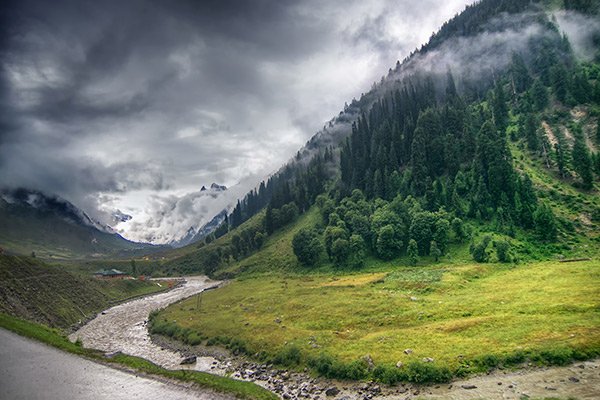
This guide tells you exactly where to go, what to genuinely expect, which festivals to plan around, and how to travel smartly in August 2026.
The Single Most Important Thing to Understand About August in India
India is not one place. It is a subcontinent.
The southwest monsoon delivers around 75% of India’s annual rainfall between June and September. But it does not fall equally everywhere. Parts of the Himalayas and Rajasthan sit in geographic rain shadows where the clouds simply do not arrive.
This means that while Mumbai is getting drenched, Ladakh is bone dry under brilliant blue skies. While the Western Ghats are heavy with rain, Jaisalmer in the Thar Desert gets occasional light showers. The monsoon is not a uniform weather event — it is a patchwork of microclimates across a vast country.
Understanding this changes everything about planning an August India trip.
Rain shadow zones — excellent in August: Ladakh, Spiti Valley, Jaisalmer, Bikaner
Lush and green but manageable: Kerala, Munnar, Coorg, Udaipur, Golden Triangle
Heavy rainfall — plan carefully: Goa beaches, Mumbai, Meghalaya, Manali
New to India? Read our India Travel Guide for First Timers 2026 before you decide. First-time visitors may find October to March easier — but August has rewards that peak season simply cannot match.
August Weather City by City
Delhi, Agra, Jaipur (Golden Triangle): Temperatures 28°C to 35°C. Rain arrives in bursts — typically heavy showers lasting one to two hours, followed by clearing skies. Humidity is high. Mornings (6 AM to 10 AM) are almost always clear and workable. Afternoons are when the showers arrive. Plan all monument visits in the morning and rest in the afternoon.
Ladakh: 12°C to 22°C during the day. Almost zero rain. Ladakh sits entirely above the monsoon cloud line. August is actually peak season here — all passes are open, all roads are accessible, and the sky is electric blue every day.
Spiti Valley, Himachal Pradesh: 10°C to 20°C. Minimal rain. Another high-altitude rain shadow. The roads via Shimla stay reliably open in August. The roads via Manali are riskier — take the Shimla route.
Kerala: 22°C to 30°C. Heavy but predictable rainfall. Rain typically falls in bursts rather than all day. The landscape is at its most vivid green. Ayurvedic treatments work best in this humid weather. Waterfalls and backwaters are at their most beautiful.
Udaipur, Rajasthan: 25°C to 32°C. Moderate, manageable monsoon. The lakes fill up. The Sajjangarh Monsoon Palace fulfils its exact original purpose. Hotel prices are at their year’s lowest.
Coorg, Karnataka: 19°C to 26°C. Misty, green, atmospheric. Coffee plantations glow. Waterfalls run strong. One of India’s finest August destinations.
Meghalaya: 19°C to 24°C. Very heavy rainfall — this is one of the wettest places on earth and August is the peak. But the landscapes — living root bridges, roaring waterfalls, cloud-filled valleys — are extraordinary precisely because of it.
2026 specific note: August 2026 temperatures are running approximately 1.4°C cooler than the historical average for this time of year. For travellers, this is genuinely good news — it takes the edge off the August heat across all regions.
Best Places to Visit in India in August 2026
Ladakh — The Best Reason to Visit India in August
If you want one single reason to visit India in August, this is it.
Ladakh sits above 3,500 metres and receives almost no monsoon rain. While the rest of India gets wet, Ladakh gets brilliant. The sky is a deep saturated blue. The Himalayan peaks are clear of cloud. The roads are at their most reliably open of the entire year.
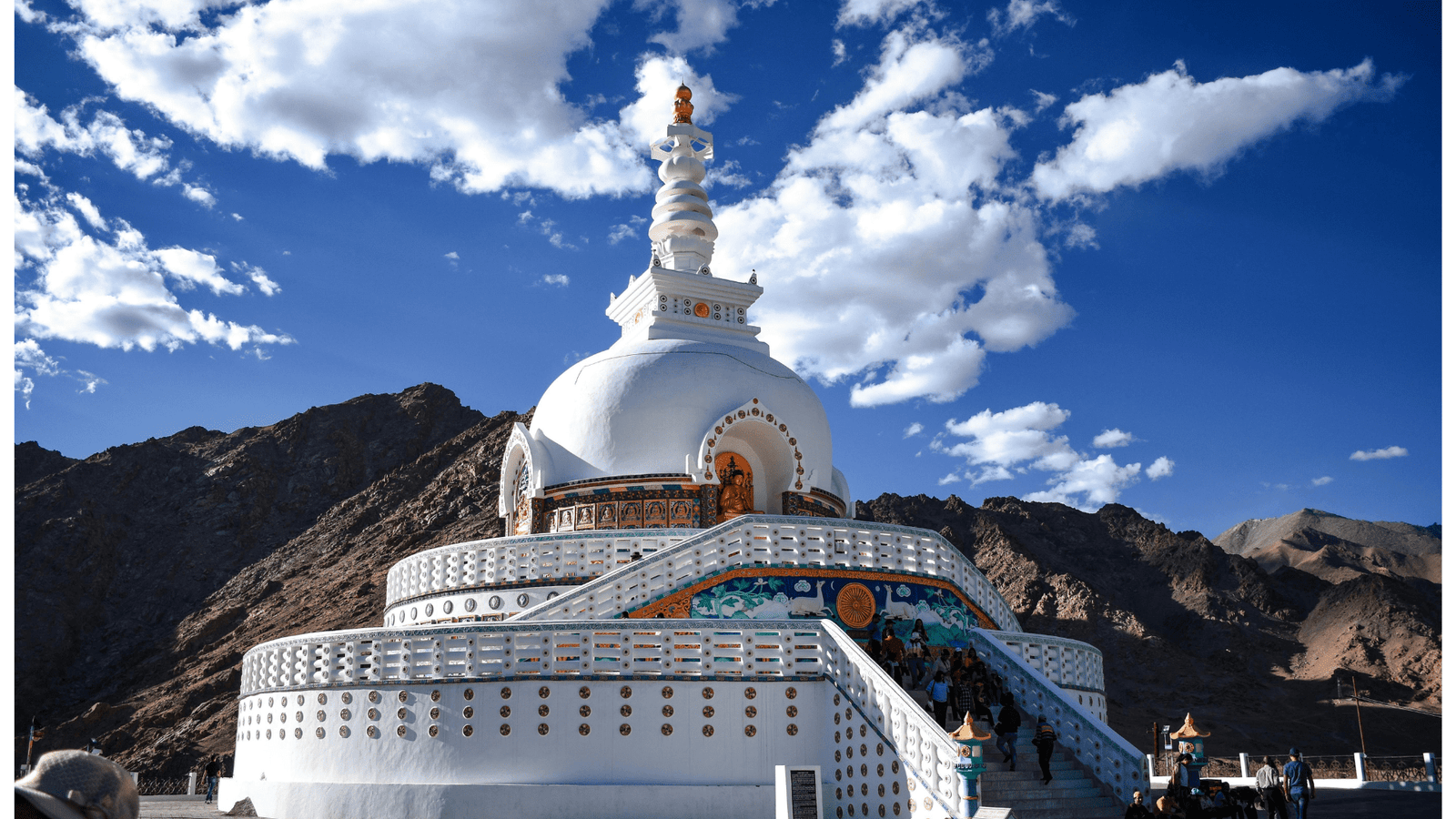
Pangong Lake — at 4,350 metres, stretching across the India-China border — turns a vivid turquoise that looks computer-generated in photographs but is entirely real. The Nubra Valley, a high-altitude desert crossed by double-humped Bactrian camels, is accessible via the Khardung La Pass. Hemis Monastery and Thiksey Monastery are both open, active, and unhurried.
Leh, Ladakh’s main town, is directly accessible by air from Delhi. The flight takes just over an hour. Acclimatisation is essential — spend your first full day resting in Leh before attempting any high-altitude passes.
What to plan for: Pangong Lake, Nubra Valley camel safari, Hemis and Thiksey monasteries, Magnetic Hill, Shanti Stupa at sunset.
Weather: 12°C to 22°C days, 2°C to 5°C nights. Warm layers essential after sundown.
Important: Climate change is increasing cloudburst risk in Ladakh. Always carry a one-day buffer in your itinerary and monitor India Meteorological Department alerts at imd.gov.in.
Spiti Valley — India’s Hidden Himalayan Desert
August is one of only three months when Spiti is fully accessible. The roads are open. The sky is clear. And this extraordinary high-altitude landscape — ancient ochre monasteries on clifftops, villages so remote they have no road access in winter, a sky so dark the Milky Way is visible with the naked eye — is at its most welcoming.
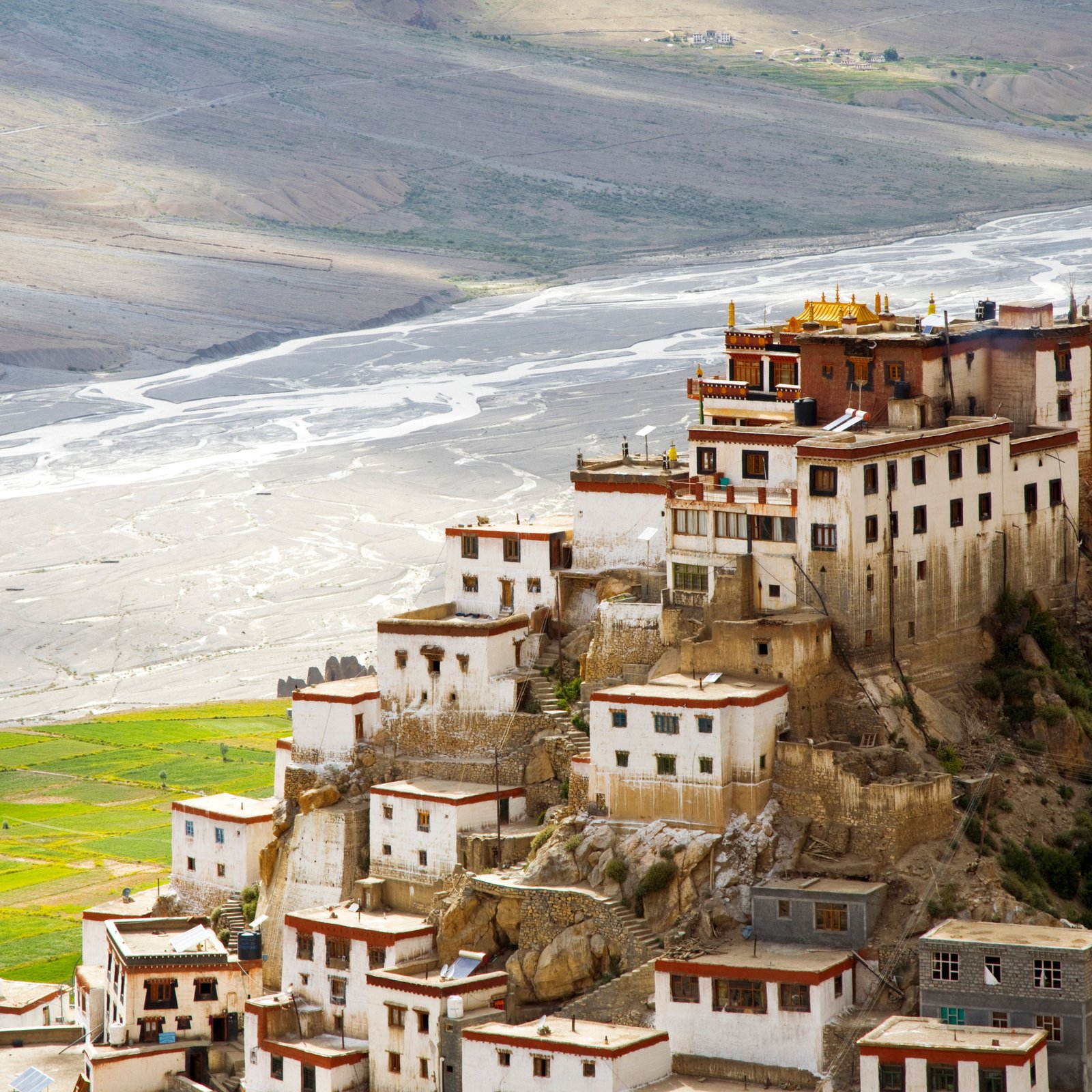
Key Monastery, the largest in the valley, is open daily. Chandratal Lake at 4,300 metres is a 30-minute walk from the road and entirely worth it. Langza village, at 4,400 metres, has marine fossils embedded in the ground — proof that this was once an ancient seabed.
Spiti is for serious travellers. No luxury hotels. Patchy mobile connectivity. Altitude demands respect. But the rewards are unlike anything else in India.
Planning Spiti? Read our Spiti Valley Trip from Delhi complete guide — routes, permits, costs, and day-by-day itinerary.
Kerala — Monsoon the Way Nature Intended
Kerala designed its tourism campaign around August. The state officially promotes June through August as the best season for Ayurvedic treatments, when the humid monsoon air makes the body more receptive to traditional therapies like Panchakarma.
The backwaters of Alleppey are at their most beautiful in August. Houseboats glide slowly through rain-swollen canals lined with coconut palms. The water is high and still. Villages appear and disappear around quiet bends. The pace is completely different from the rest of India — slow, reflective, and deeply calming.
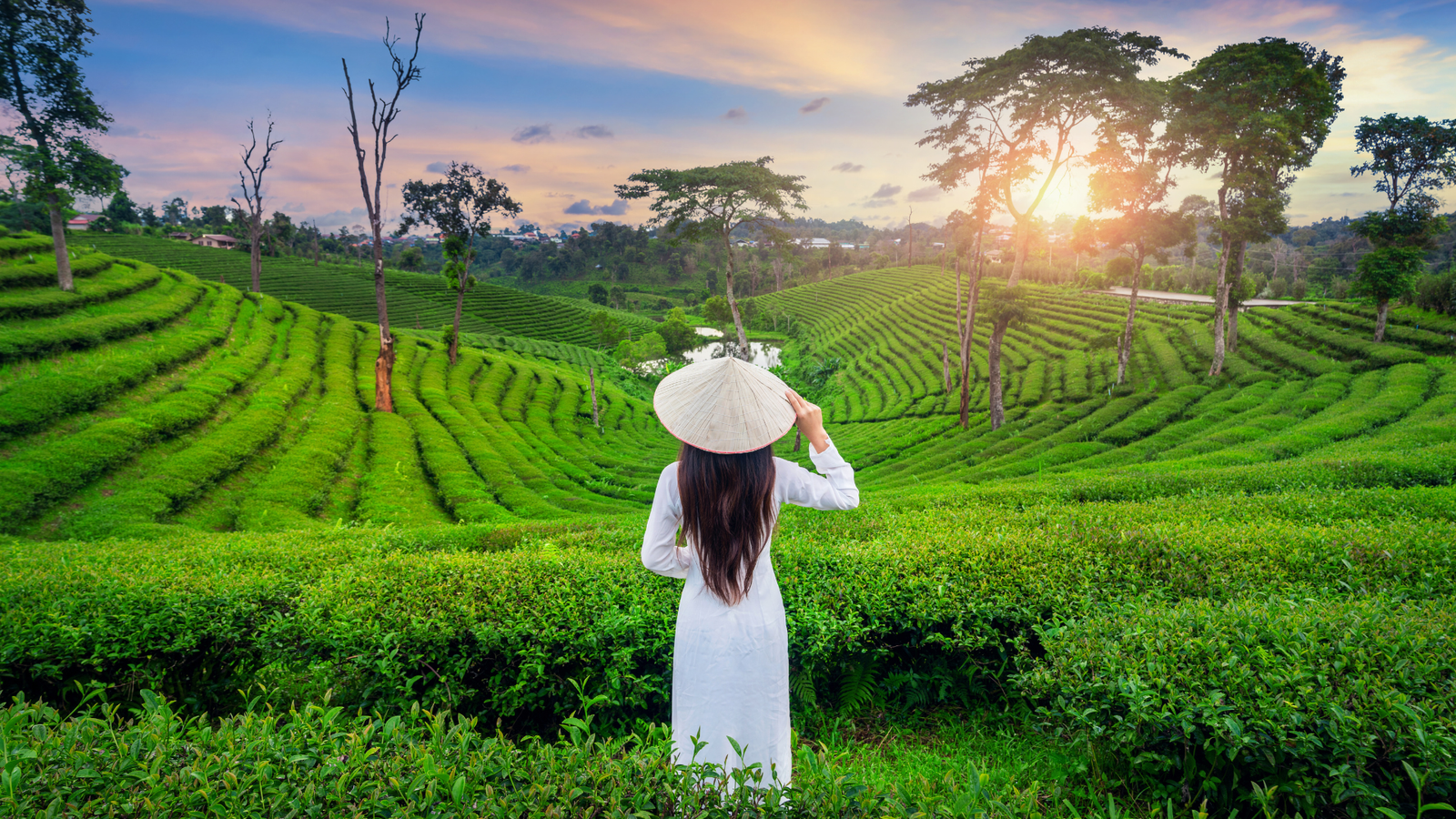
Munnar’s tea gardens in August are extraordinary. The altitude keeps temperatures between 18°C and 25°C. The monsoon deepens the green of the plantations into something almost artificial-looking. The waterfalls — Attukal, Lakkam, Nyayamakad — are at full roar.
Wayanad — Kerala’s interior forest district — is equally stunning. Dense forests, wildlife, waterfalls, and the atmospheric Edakkal Caves carved with prehistoric petroglyphs.
Best for: Couples, wellness seekers, slow travellers, nature lovers, first-time visitors who want a gentle introduction to India.
The Golden Triangle in August — Yes, You Can
Nobody tells you this. But the Golden Triangle in August can be wonderful.
The crowds are minimal. The landscapes are lush and green. The Taj Mahal against a dramatic monsoon sky — dark rolling clouds behind pure white marble — is one of the most striking versions of the monument you will ever see. And tour prices are 50 to 65% lower than peak season.
The key is planning around the weather. Morning visits (6 AM to 10 AM) are almost always clear in Delhi, Agra, and Jaipur. The rain comes in the afternoon. Build your itinerary around that pattern and the Golden Triangle in August is genuinely excellent.
The Taj Mahal is fully open in August every day except Friday. On August 15 — Independence Day — it remains open and the atmosphere around the monument is festive and patriotic.
Essential reading: Agra in August 2026 — Monsoon Visit Guide — the honest guide to visiting the Taj Mahal in monsoon season.
Taj Mahal planning: Taj Mahal in August 2026 | Taj Mahal Tickets, Timings & Entry Fee 2026
Independence Day specific: Is the Taj Mahal Open on 15 August 2026?
Udaipur — The Monsoon Palace in Its Element
Udaipur was built for the monsoon. The Sajjangarh Monsoon Palace — constructed in 1884 by Maharana Sajjan Singh specifically to watch the monsoon clouds roll across the Aravalli Hills — is fulfilling its exact original purpose in August.
Lake Pichola fills to its brimming best. The City Palace, reflected in the swollen lake under dramatic monsoon clouds, is one of the most photogenic scenes in all of India. Hotel prices are at their year’s lowest — the same heritage properties that charge ₹15,000 per night in December drop to ₹6,000 to ₹8,000 in August.
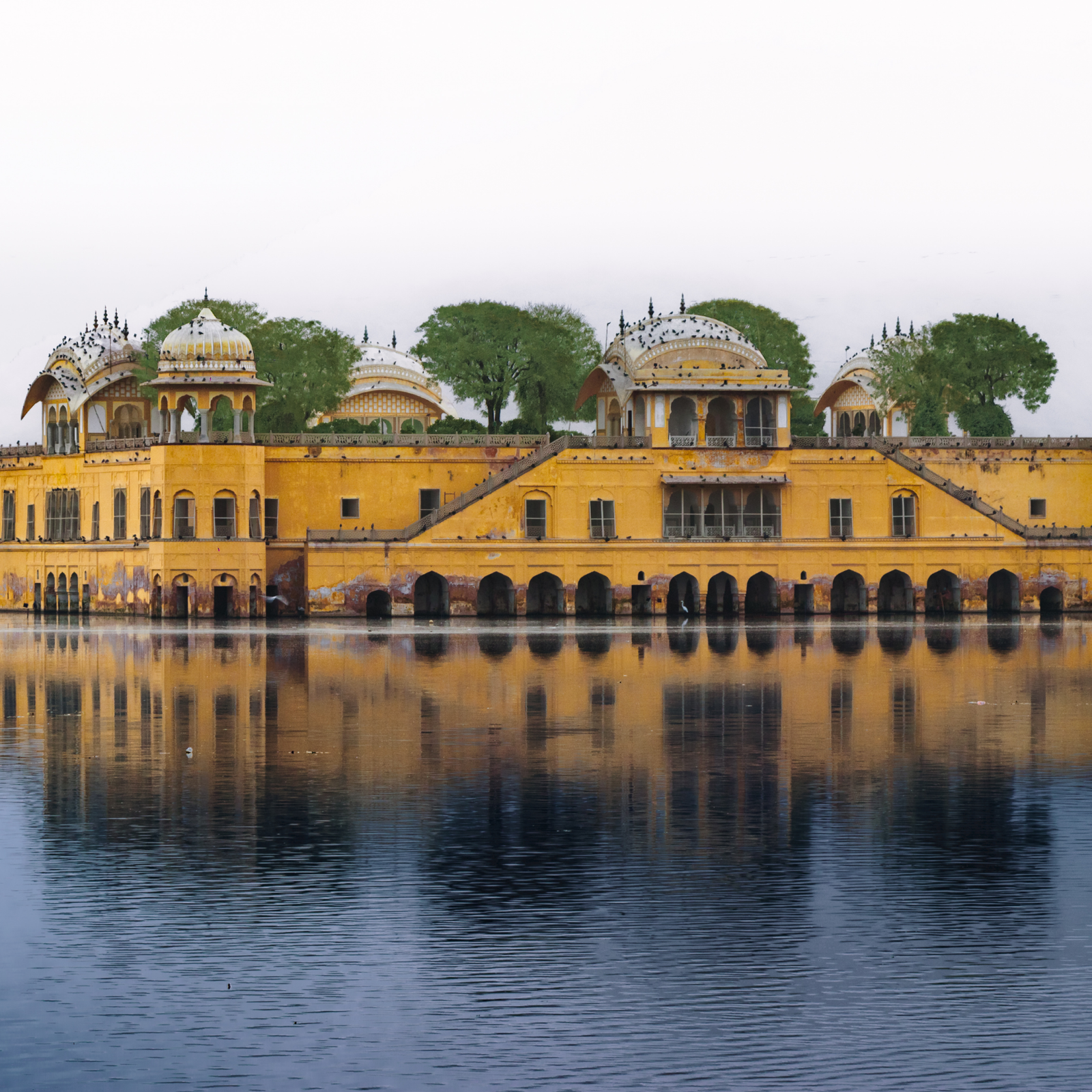
Udaipur in August is particularly excellent for couples. The combination of monsoon drama, lakeside beauty, and deserted heritage hotels makes it genuinely romantic.
Coorg — Coffee, Mist, and Complete Quiet
Coorg sits between 19°C and 26°C in August. The coffee and cardamom plantations are covered in a permanent low mist. Waterfalls — Abbey Falls, Iruppu Falls — run at full power. The pace of life slows entirely.
Often called the “Scotland of India,” Coorg earns the comparison in August. The coffee estates are an almost unreal shade of green. The air smells of wet earth, coffee blossom, and cardamom. Chikmagalur, nearby in Karnataka, offers similar rewards — mist-covered hills and the finest trekking of the year around Mullayanagiri.
Best for: Couples, food lovers, those who want genuine quiet and nature.
Meghalaya — Spectacular and Raw
Meghalaya in August is not for the faint-hearted. It is one of the wettest places on earth and August is peak rain season.
But the landscapes are extraordinary precisely because of this. The Double Decker Living Root Bridge near Nongriat — trained over centuries from living tree roots — is at its most hauntingly beautiful in August, wreathed in mist and surrounded by roaring waterfalls. Nohkalikai Falls — the tallest plunge waterfall in India — is a wall of white water 335 metres high. Mawlynnong, called Asia’s cleanest village, sits 90 minutes from Shillong.
Come with waterproof everything, genuine flexibility, and a spirit of adventure. Leave the rigid itinerary at home.
August Festivals: Plan Around These
Independence Day — August 15, 2026
This is the most significant public holiday in India. The main celebration is in Delhi, where the Prime Minister hoists the national flag at the Red Fort at 7 AM, followed by a cultural programme. The atmosphere across Delhi on August 15 is electric — flags everywhere, patriotic music, and a genuine national energy that is deeply moving to witness.
If you are visiting the Taj Mahal on August 15, it is open — entry may be free for Indian nationals. International visitors pay standard rates. The monument will be busier than a normal August day but far less crowded than any December or January visit.
Full Independence Day guide: Is the Taj Mahal Open on 15 August 2026?
Janmashtami — Lord Krishna’s Birthday
Janmashtami — the birthday of Lord Krishna — falls in August 2026 and is celebrated with enormous devotion in Mathura and Vrindavan, both within 50 km of Agra. If you are doing the Golden Triangle, a Janmashtami detour to Mathura is an extraordinary cultural experience. Temples fill with midnight celebrations, devotional music, and elaborate tableaux depicting Krishna’s life.
Teej Festival — Jaipur
Jaipur celebrates Teej in true Rajasthani style. Married women pray, fast, and dress in vibrant green and red attire. The streets fill with women in emerald green saris. Swings are hung from trees across the old city. It is one of Jaipur’s most photogenic festivals — and one of the best reasons to visit Rajasthan specifically in August.
Kerala Snake Boat Races — Alleppey
The Nehru Trophy Boat Race on Punnamada Lake in Alleppey is one of India’s most spectacular sporting events. Massive 100-foot snake boats carrying 100+ rowers race through the backwaters in front of enormous, thunderous crowds. Book accommodation in Alleppey months in advance if attending.
Onam Preparation — Kerala
August is Kerala’s official Onam preparation month. The harvest festival falls in late August or September and the atmosphere across the state is festive, colourful, and deeply welcoming. Time your Kerala visit for the week before Onam for the best cultural experience.
Where NOT to Go in August — The Honest List
A good guide tells you where not to go.
Goa beaches — The sea is rough, most beach shacks are closed, and swimming is unsafe due to strong currents. Inland Goa is excellent. Beach Goa is not. Wait until November.
Tiger safari reserves (Ranthambore, Kanha, Bandhavgarh, Jim Corbett) — Most of India’s major wildlife parks close between July 1 and October 1 to allow the forest to recover. If a tiger safari is your primary goal, August is not your month. Come in November or January instead.
When the parks reopen: November is the finest month for Ranthambore tiger sightings. Read our India in November 2026 guide for why November is India’s best travel month.
Manali via Rohtang Pass — Heavy rain triggers frequent landslides on the Manali-Leh Highway. The pass closes without warning for days at a time. Go to Spiti via Shimla instead — that route is significantly more reliable.
Mumbai for leisure — The city functions normally but significant flooding occurs regularly in August. It works as a transit hub. It does not work as a holiday destination in monsoon.
Practical Tips for Visiting India in August
Plan mornings outdoors, afternoons inside. This is the single most important tactical adjustment for August travel. In most of India, mornings (6 AM to 10 AM) are clear, cool, and ideal for monuments, walks, and photography. Afternoons are when the rain arrives. Schedule outdoor sightseeing in the morning. Use afternoons for museums, restaurants, Ayurvedic treatments, and hotel rest.
Pack for rain — not just heat. A lightweight waterproof jacket, quick-dry clothing (cotton and linen work well), waterproof sandals or grip-soled shoes, and a dry bag for your electronics are all essential. Wet phone, wet passport, and wet money create real problems. Wet hair does not.
Book flexible accommodation. August is low season — prices are excellent. But book rooms with changeable dates where possible. Weather disruptions are real, and cancellation flexibility is worth more in August than any other month.
Travel insurance is non-negotiable. Buy comprehensive cover that includes weather-related trip disruptions. Landslide road closures, flight delays, and sudden itinerary changes are a real possibility in mountain regions. A good policy costs very little compared to the peace of mind it provides.
Build buffer days into mountain itineraries. If you are going to Ladakh or Spiti, keep one to two buffer days in your schedule. Travellers who plan rigid day-by-day itineraries in the mountains are the ones who get frustrated. Travellers who build in buffer days find that unexpected hotel-bound days become a genuine pleasure.
Carry cash before remote areas. ATMs in Ladakh, Spiti, and rural Kerala run out of cash. Withdraw enough in Delhi or Leh before heading to remote destinations.
Check IMD weather alerts. The India Meteorological Department (imd.gov.in) publishes daily alerts and landslide risk warnings. Bookmark it and check each morning during mountain travel.
A Practical 10-Day August 2026 Itinerary
This itinerary is weather-smart, festival-aware, and covers three very different versions of India in one trip.
Days 1 and 2 — Delhi. Arrive and rest. If August 15 falls in your window, position yourself near the Red Fort by 7 AM for Independence Day. Visit Humayun’s Tomb and Chandni Chowk in the morning. Rest afternoons. Delhi’s monuments are dramatically less crowded than any other time of year.
Days 3 and 4 — Agra. Drive or train to Agra. The Taj Mahal at sunrise — 5:20 AM gate opening — in August light is extraordinary. Visit Agra Fort in the morning. Rest during afternoon rain. Mehtab Bagh at sunset for the finest external view of the Taj Mahal. Much quieter than any peak season visit.
Days 5 and 6 — Jaipur. Drive via Fatehpur Sikri. Amber Fort in the morning, City Palace and bazaars in the afternoon between rain windows. If Teej festival falls during your visit, the old city comes alive. Hotel prices are 50 to 65% below December rates.
Days 7 to 10 — Kerala. Fly from Jaipur or Delhi to Kochi. Two nights on a houseboat in the Alleppey backwaters. One night in Munnar with a plantation walk. End with a Wayanad forest experience or an Ayurvedic treatment. This is Kerala at its most itself — green, slow, and completely absorbing.
Want a custom version of this itinerary? Visit our Make Your Own Tour page and we will design your perfect August itinerary within 24 hours.
August vs Peak Season: What You Actually Get
The financial case for August is simple. Hotels that cost ₹12,000 per night in December cost ₹5,000 to ₹7,000 in August. Domestic flights drop 30 to 50%. International flights from the UK and USA in August are significantly cheaper than the December to February window. And you share the Taj Mahal with a fraction of the people.
The experiential case is equally real. Monuments are peaceful. Landscapes are vivid. Waterfalls are roaring. The national parks are closed, but everything else is open — and accessible in a way that simply does not exist in peak season.
August in India is not for everyone. If this is your first time in India and you want the most straightforward experience, October to March is easier. But if you are flexible, curious, and willing to let the weather shape your day rather than fight it — August rewards you with an India that most international tourists never see.
Is August Right For You?
August works well if:
- You want the lowest prices of the year on hotels and flights
- You are flexible and relaxed about weather
- Ladakh, Spiti Valley, or Kerala is on your list
- You want monuments to yourself
- You love dramatic landscapes, waterfalls, and vivid green scenery
- Indian festivals are part of your reason for visiting
August is not ideal if:
- Tiger safari is your primary goal
- You want beach time in Goa or the Andamans
- You have a rigid, non-changeable day-by-day itinerary
- This is your first time in India (October to March is more straightforward)
Frequently Asked Questions
Is August a good time to visit India?
Yes — with the right expectations and destinations. August delivers the lowest prices, fewest crowds, and some of India’s most dramatic landscapes. Ladakh, Kerala, Spiti, Udaipur, and the Golden Triangle all work well with proper planning. Tiger safari parks and Goa beaches are the main exceptions.
What is the weather like in India in August 2026?
The IMD has forecast 2026 monsoon rainfall at 92% of the long-period average — a below-normal monsoon. August 2026 temperatures are running approximately 1.4°C cooler than historical averages. Rain comes in bursts rather than continuous downpours across most of North India. High-altitude destinations like Ladakh and Spiti have virtually no rain.
Can I visit the Taj Mahal in August?
Yes — and it can be extraordinary. The Taj Mahal is open every day except Friday year-round. In August, the dramatic monsoon sky creates some of the most striking photography conditions of the entire year. Crowds are minimal compared to peak season.
What festivals are there in India in August 2026?
Independence Day (August 15), Teej in Jaipur, Janmashtami in Mathura and Vrindavan, the Nehru Trophy Snake Boat Race in Alleppey, and the beginning of Onam preparations in Kerala.
Is India safe to visit in August?
Yes. The standard safety considerations for India apply year-round. In mountain regions, monitor weather alerts and keep buffer days for road closures. In cities and heritage destinations, August is safe and manageable.
How much cheaper is India in August?
Hotels are typically 40 to 65% cheaper than December to February peak season. Domestic flights drop 30 to 50%. International flight prices from the UK, USA, and Australia are also lower in August than the winter peak.
Plan Your August 2026 India Trip with Squid Travel India
August is a month most operators tell you to avoid. We disagree.
At Squid Travel India, we have built August itineraries for travellers from the UK, USA, Australia, and Europe who wanted India at a different pace — quieter, greener, more authentic, and significantly more affordable. We know how to build around the weather, which destinations work best, and how to make every August day in India productive and extraordinary.
We handle everything: private airport transfers, accommodation booked with flexibility in mind, licensed guides at every monument, pre-booked Taj Mahal tickets, and 24/7 support during your trip.
📞 Call / WhatsApp: +91 9990812499 📧 Email: Squidtravelindia@gmail.com 🌐 Visit: squidtravelindia.com
1,800+ trips completed | 98% happy clients | TripAdvisor Travelers’ Choice 2024–2025
Last updated: August 10, 2026. Weather data sourced from India Meteorological Department. Entry fees and festival dates subject to change — always verify before travel.

Comment (1)