

The Most Colourful Week in India — And the Perfect Time to See the Golden Triangle
No single day in Indian travel delivers what Holi does.
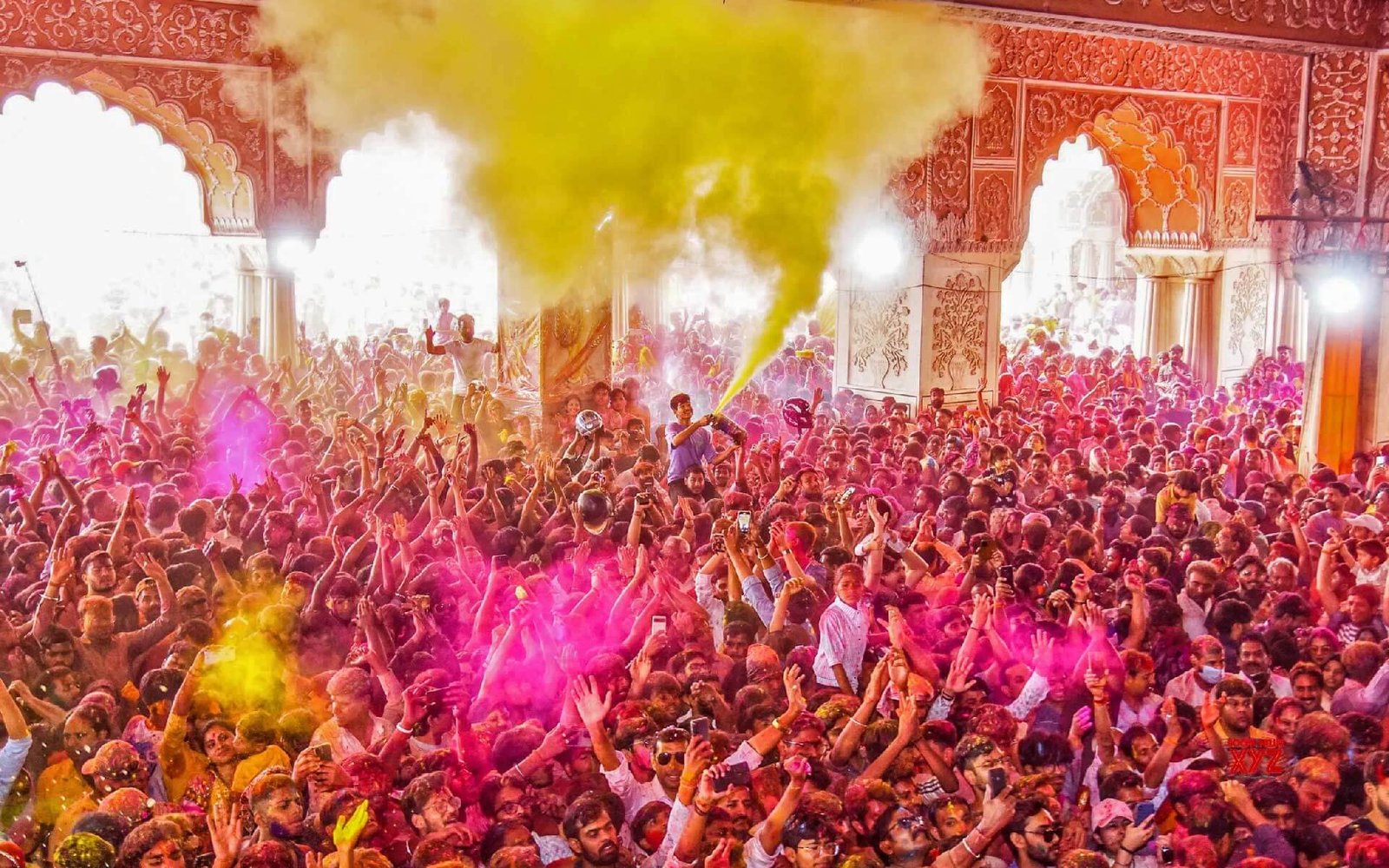
The Festival of Colours — celebrated every year on the full moon of the Hindu month of Phalguna — is the moment when India collectively abandons its usual reserve and erupts into joyful, chaotic, technicolour celebration. Strangers embrace each other. Faces are painted in vivid red, blue, green, yellow, and purple. Music fills every street. And the laughter — genuine, contagious, uninhibited — is something that visitors from every country describe as unlike anything they have experienced anywhere in the world.
Holi 2027 falls on Monday, March 22. Holika Dahan — the bonfire night that opens the festival — is on Sunday, March 21.
March is also one of the finest months to visit the Golden Triangle. The weather is perfect — warm, clear, and dry, before the pre-summer heat arrives in April. The Taj Mahal against a vivid blue March sky is one of the finest views of the monument. And if your timing includes March 22, you have the rarest combination in India travel: the world’s most famous monument in its best conditions, during the world’s most joyful festival.
This guide covers everything you need to plan a Golden Triangle tour around Holi 2027 — the exact festival dates, the best cities to celebrate, the Braj Holi week that starts a week before the main day, what to expect, how to stay safe, what to wear, and how to build your itinerary.
Holi 2027: The Exact Dates
Holika Dahan (Bonfire Night): Sunday, March 21, 2027 Rangwali Holi (Main Colour Festival): Monday, March 22, 2027
The two-day festival begins on Holika Dahan evening — when bonfires are lit across India to symbolise the victory of good over evil, commemorating the story of the devotee Prahlad and his aunt Holika. The bonfire night is a more spiritual, quieter version of the celebration.
The main event — Rangwali Holi or Dhulandi — is the following day, March 22. From early morning until midday, coloured powder (gulal) and water are thrown, sprayed, and smeared across everything and everyone. By noon, every person on the street is a walking canvas of vivid colour. By early afternoon, people return home to wash, change, and visit family.
One important clarification: Some Hindu Panchangs place Rangwali Holi on March 23 rather than March 22, due to the overlap of the Phalguna Purnima tithi across two days. The majority of India — including Delhi, Jaipur, Agra, and Mathura — celebrates on March 22. Confirm with your hotel and local guide closer to the date.
The Braj Holi Week: March 14 to 22, 2027
The most important thing most international visitors do not know about Holi is that in Braj — the sacred region of Lord Krishna centred on Mathura and Vrindavan — the festival does not last one day. It lasts a week.
The Braj region between Agra and Delhi is where Holi originated. It was here that Lord Krishna — according to Hindu tradition — played Holi with the gopis (milkmaids) of Vrindavan, creating the playful, colour-drenched tradition observed across the world today. The Braj temples follow their own festival calendar, with different types of Holi celebrations on different days in the week leading up to March 22.
Understanding this calendar is essential for planning. If you want to see the extraordinary Lathmar Holi — where women beat men with sticks while the men try to shield themselves and sing songs — you need to be in Barsana and Nandgaon on specific days before the main Holi date. If you want to see Phoolon ki Holi — the extraordinary rose petal Holi celebrated at Vrindavan’s Banke Bihari temple — that is a different day again.
The approximate Braj Holi 2027 calendar:
Around March 14 to 15 — Lathmar Holi in Barsana. Barsana is the village of Radha — Lord Krishna’s divine consort. Men from Nandgaon (Krishna’s village) come to Barsana to sing songs teasing the women of Barsana. The women respond by chasing the men with bamboo sticks (lathis) and the men shield themselves with wooden shields. It sounds chaotic because it is chaotic — and it is one of the most joyful and unique cultural experiences available anywhere in India. The crowd is enormous. The energy is extraordinary.
Around March 15 to 16 — Lathmar Holi in Nandgaon. The Barsana women come to Nandgaon for the reverse — and the roles are reversed again. Just as extraordinary, with the added backdrop of the Nandgaon temple and hillside.
Around March 16 to 17 — Phoolon ki Holi, Vrindavan. The Banke Bihari temple in Vrindavan — one of the most beloved Krishna temples in India — celebrates Holi with rose petals and marigolds rather than coloured powder. Thousands of petals are showered from the temple galleries onto the crowd below while priests and devotees dance to kirtan. This is perhaps the single most photogenic Holi event available anywhere — the combination of colour, flowers, devotion, and movement is extraordinary.
Around March 20 to 21 — Widow’s Holi, Vrindavan. The Radha Gopinath Ashram hosts a Holi celebration that invites the widowed women of Vrindavan — traditionally excluded from festive celebrations — to play with colour and flowers. It began as a social justice initiative and has become one of the most moving and genuinely profound Holi events anywhere.
March 21 — Holika Dahan. Bonfires lit across Mathura, Vrindavan, and all of Braj region at dusk. The most dramatic Holika Dahan in India is at the Dwarkadheesh Temple in Mathura — enormous bonfire, thousands of devotees, intense atmosphere.
March 22 — Rangwali Holi. The main day. All of Braj erupts simultaneously. Mathura’s lanes, Vrindavan’s temple precincts, the ghats on the Yamuna — all covered in colour from early morning.
Mathura is approximately 50 km from Agra and 145 km from Delhi. Including one or two nights in Mathura or Vrindavan during Braj Holi week dramatically enhances the Golden Triangle Holi experience.
Best Cities for Holi 2027 on the Golden Triangle
Jaipur — The Most Spectacular Holi in Rajasthan
Jaipur’s Holi is extraordinary by any standard — and for international visitors, it is the most accessible and most rewarding Holi celebration available on the Golden Triangle.
The old city of Jaipur — the Pink City — comes alive in a way that is different from even its Diwali celebrations. The festivities begin the evening before Holi with Holika Dahan on March 21 — bonfires lit at major crossroads and open grounds across the walled city, with families gathered around them and fireworks in the sky above.
On March 22 — Rangwali Holi — the entire old city becomes a colour battlefield from 7 AM. The open grounds around Jaipur’s heritage buildings, the wide lanes of the Pink City, and the rooftops of the havelis around Hawa Mahal are all alive with colour and celebration.
The Holi celebration at Jaipur’s Rambagh Palace — the former royal residence, now a Taj Hotel — is one of the finest organised Holi events available in India. White-clad guests are welcomed into the palace gardens for a celebration that combines the authenticity of the festival with the safety and organisation that international visitors appreciate. Musicians play traditional Rajasthani folk music. Organic colours are provided. The setting — Mughal gardens, peacocks on the lawns, the palace facade in the background — is genuinely extraordinary. Book directly through your tour operator months in advance.
For those who want to experience Jaipur’s street Holi rather than an organised event — go to the Hawa Mahal area, the Johari Bazaar crossroads, or the open grounds near the City Palace by 8 AM on March 22. Dress in white or light colours, expect to come back completely covered in colour, and embrace everything.
Mathura and Vrindavan — The Origin of Holi
If Jaipur is where Holi looks most spectacular, Mathura and Vrindavan are where it feels most profound.
These are the cities where the festival began — where the stories behind it are still celebrated with active devotional energy rather than cultural performance. The Braj Holi week (March 14 to 22) makes Mathura and Vrindavan uniquely rewarding for the week before the main Holi day. The Lathmar Holi at Barsana and Nandgaon, the Phoolon ki Holi at Banke Bihari Temple, and the main Rangwali Holi at Mathura’s Dwarkadheesh Ghat are all experiences that no other destination in India can replicate.
Mathura is 50 km from Agra — a 90-minute drive. Including one night in Mathura or Vrindavan as part of an extended Golden Triangle itinerary around Holi week is a genuinely transformative addition.
Delhi — Holi at Scale
Delhi celebrates Holi with the energy of a city of 20 million people — and that energy is extraordinary if you are in the right place.
The most famous Delhi Holi event is the Holi Moo Festival, typically held in a large park or exhibition ground with live DJs, international artists, and organised colour celebrations. Tickets must be booked well in advance.
For a more authentic Delhi Holi, the colonies and parks of South Delhi — particularly Hauz Khas and the Defence Colony area — hold neighbourhood Holi celebrations that welcome visitors warmly. These are less structured and more genuinely Indian than organised events.
The morning of March 22 in Delhi’s streets — particularly in Old Delhi around Chandni Chowk — is chaotic, vivid, and completely alive. If you are comfortable being in a large crowd and prepared to get covered in colour, walking through Old Delhi on Holi morning is an experience that stays with you for the rest of your life.
Agra — Holi with the Taj Mahal
Agra’s Holi is less famous than Jaipur or Mathura but has one unique advantage: you are 50 km from Mathura’s extraordinary celebrations and you can visit the Taj Mahal the morning before or after.
Visit the Taj Mahal on March 21 (Holika Dahan day) for a spectacular sunrise visit with below-average crowds. Then drive to Mathura for the Holika Dahan bonfire at the Dwarkadheesh Temple in the evening. Return to Agra for the night and celebrate Holi in Agra’s old city the following morning before continuing your journey to Jaipur.
What Holi Actually Feels Like
For first-time visitors, understanding what to expect is essential.
Holi begins early. By 7 AM on March 22, the celebrations are fully underway in every city. By 8 AM, the streets are busy. By 9 AM, the peak of the colour celebrations is in full flow. By noon in most cities, the main colour-throwing phase has wound down and people are heading home to wash and change.
The colours come from every direction simultaneously. Coloured powder is thrown, poured, smeared, and sprayed. Water pistols and water balloons add another dimension. When you walk into a Holi celebration, you will emerge on the other side a different colour from when you entered. This is not an exaggeration.
The atmosphere is joyful, inclusive, and fundamentally good-natured. Holi is the one day of the year when social hierarchies dissolve — when strangers embrace each other, when formality disappears, when the general reserve that characterises much of Indian public life simply vanishes. The laughing faces of everyone around you — children, grandparents, locals, tourists, all equally covered in colour — communicate something genuine about the festival that no photograph quite captures.
By early afternoon, the streets quiet down. Families visit each other. Thandai — a traditional cooling drink made with milk, nuts, and spices — is shared between households. Sweets are exchanged. The afternoon of Holi has a warm, relaxed, generous atmosphere that is different from anything else in the festival calendar.
Practical Tips for Holi on the Golden Triangle
Dress for colour. Wear white or light-coloured clothing that you are willing to sacrifice — it will not recover. Synthetic quick-dry fabrics work better than cotton, which holds colour stubbornly. Dress modestly regardless of colour — cover shoulders and knees.
Protect your skin and hair. Apply a thick layer of coconut oil or a heavy moisturiser to all exposed skin before going out. This creates a barrier that makes the colour significantly easier to remove afterward. Apply oil to your hair as well — it prevents colour staining the scalp. Wear sunglasses to protect your eyes.
Use natural colours where possible. The best festival events — including the Rambagh Palace Holi in Jaipur and the organised Braj Holi events — use natural, plant-based colours that are gentle on skin. Synthetic colours, particularly brightly fluorescent ones, can contain chemicals that are harsh on skin and difficult to remove. If you are celebrating at street level, be aware that colour quality varies.
Protect your camera. Holi is a genuinely dangerous environment for camera equipment. Colour powder gets into every crevice. Water balloons soak everything. Use a waterproof case or a sacrificial plastic bag for your phone. If you are bringing a proper camera, consider a waterproof housing or simply accept that it will not survive the main celebrations intact.
Stay hydrated. March in North India is warm — 25°C to 32°C. Holi celebrations are physically energetic. Drink water consistently throughout the morning.
Book everything months in advance. The Golden Triangle at Holi is one of the most competed-for travel periods of the year. Heritage hotels in Jaipur, the Rambagh Palace Holi event, accommodation in Mathura and Vrindavan during Braj Holi week, and quality mid-range hotels in Agra all fill up by November or December for the March festival. If you are planning a Holi 2027 trip, begin booking in August or September 2026.
Know the closing dates. The Taj Mahal is closed every Friday — in March 2027, Fridays fall on March 5, 12, 19, and 26. March 22 (Holi day) is a Monday and the Taj Mahal will be open. Plan your Agra timing accordingly.
Join an organised event for your first Holi. The organised Holi events at heritage hotels — Rambagh Palace in Jaipur, the Oberoi group, and other premium properties — use safe natural colours, have proper security, and provide the Holi experience in a managed environment. For first-time Holi participants, this is genuinely the recommended starting point. Once you know what it feels like, you can decide whether to venture into the street celebrations.
Suggested Golden Triangle Holi 2027 Itineraries
7-Day Itinerary — Focused Holi Experience
March 17 (Wednesday) — Arrive Delhi Arrive and rest. Explore Connaught Place in the evening. Delhi sightseeing tomorrow.
March 18 (Thursday) — Delhi Full Day Red Fort, Chandni Chowk by rickshaw, Humayun’s Tomb, Qutub Minar. Old Delhi street food for dinner.
March 19 (Friday) — Delhi to Mathura/Vrindavan Drive to Vrindavan (145 km). Check in. Evening at the ghats — the pre-Holi atmosphere in Vrindavan at this point is already extraordinary. Visit Banke Bihari Temple for evening aarti.
March 20 (Saturday) — Phoolon ki Holi / Braj Holi Visit the extraordinary Phoolon ki Holi (flowers and colour ceremony) at Vrindavan’s temples in the morning. Afternoon at leisure. Evening Holika Dahan preparations begin.
March 21 (Sunday) — Holika Dahan — Drive to Agra Morning in Vrindavan or Mathura. Drive to Agra (50 km). Taj Mahal visit in the afternoon. Holika Dahan bonfire in Agra in the evening.
March 22 (Monday) — HOLI — Drive to Jaipur Celebrate Holi in Agra in the morning — the old city around Taj Ganj is vivid and alive. Drive to Jaipur in the afternoon (after colour celebrations wind down). Arrive Jaipur for the evening post-Holi atmosphere and family visits.
March 23 (Tuesday) — Jaipur Full Day Amber Fort, City Palace, Jantar Mantar, and bazaars. Depart for Delhi or fly home from Jaipur.
10-Day Itinerary — Complete Holi Golden Triangle
March 14 (Sunday) — Arrive Delhi Arrive and rest.
March 15 (Monday) — Delhi Sightseeing Full day Delhi — Old and New Delhi.
March 16 (Tuesday) — Delhi to Barsana/Nandgaon Drive to Barsana for Lathmar Holi (3.5 hours from Delhi). The women of Barsana beat visiting men with bamboo sticks in one of the most extraordinary cultural events in India. Return to Mathura overnight.
March 17 (Wednesday) — Vrindavan — Phoolon ki Holi Morning at the Banke Bihari Temple for the extraordinary flower Holi. Afternoon at the Vrindavan ghats. Drive to Agra (50 km) by evening.
March 18 (Thursday) — Agra Taj Mahal at sunrise. Agra Fort. Mehtab Bagh at sunset.
March 19 (Friday) — Fatehpur Sikri — Drive to Jaipur NOTE: Taj Mahal closed Fridays — do not schedule Taj for today. Visit Fatehpur Sikri en route to Jaipur. Arrive Jaipur by evening.
March 20 (Saturday) — Jaipur Sightseeing Amber Fort, City Palace, Jantar Mantar, bazaars.
March 21 (Sunday) — Holika Dahan Spend the day at leisure in Jaipur. Evening Holika Dahan bonfires across the old city. This is a deeply atmospheric night.
March 22 (Monday) — RANGWALI HOLI Wake early. Dress in white. Join the Rambagh Palace Holi event or walk the old city streets. Experience Holi in Jaipur — one of the finest Holi celebrations in India.
March 23 (Tuesday) — Jaipur to Delhi Rest and fly home, or spend a final relaxed day in Jaipur before departing.
Golden Triangle in March 2027: Why the Timing Is Perfect
Holi 2027 falls on March 22 — which happens to sit within one of the finest months for the Golden Triangle overall.
March weather across Delhi, Agra, and Jaipur is outstanding. Daytime temperatures sit around 22°C to 30°C — warm enough to enjoy without the intensity of April and May. The Taj Mahal under a vivid blue March sky, with the gardens freshly green after the cool season, is genuinely one of the finest conditions available. Crowds are building as peak season extends toward March but have not yet reached the intensity of Christmas and New Year.
The combination of March’s excellent sightseeing conditions and the extraordinary Holi festival makes this one of the finest two-week windows in the entire India travel calendar.
March 2027 also offers reasonable flight pricing — the gap between the December to January peak and the April to June heat period means March fares are typically more competitive than December from most international origins.
Full planning resources:
Frequently Asked Questions
When is Holi in 2027?
Rangwali Holi — the main colour festival — falls on Monday, March 22, 2027. Holika Dahan (bonfire night) is on Sunday, March 21. Some regional Panchangs place Holi on March 23 — confirm with your local guide closer to the date.
What is the best city for Holi on the Golden Triangle?
Jaipur for spectacle — the organised palace events and old city street celebrations are extraordinary. Mathura and Vrindavan for authenticity — this is where Holi originated and the Braj Holi week (March 14 to 22) offers a range of unique celebrations. Delhi for scale.
Is it safe to participate in Holi?
Yes — with proper preparation. Join an organised event at a heritage hotel for your first Holi. Use natural colours wherever possible. Protect your skin with coconut oil beforehand. Protect your eyes and camera. The festival is joyful and good-natured, but the physical reality of colour and water requires practical preparation.
Can I visit the Taj Mahal on Holi day?
Yes. March 22 is a Monday and the Taj Mahal is open. However, the crowds in Agra on Holi day are significant — consider visiting the Taj Mahal on March 20 or 21 (Saturday/Sunday) instead, and saving Holi day itself for the colour celebrations in the streets.
What should I wear for Holi? White or light-coloured clothing that you are prepared to sacrifice. Synthetic quick-dry fabrics over cotton. Sunglasses, closed shoes, and a light covering for your hair. Apply coconut oil to all exposed skin beforehand.
How far in advance should I book for Holi 2027?
Book at least four to six months in advance — by September or October 2026. Heritage hotels, palace Holi events, Mathura and Vrindavan accommodation during Braj Holi week, and quality Jaipur properties all fill completely by November for the March festival.
What is Lathmar Holi?
Lathmar Holi is the traditional Holi celebrated in Barsana and Nandgaon in the Braj region — where women beat men with bamboo sticks (lathis) in a playful tradition originating from Lord Krishna’s visits to Barsana. It is celebrated approximately one week before the main Holi date. For 2027, Lathmar Holi in Barsana falls approximately March 14 to 15.
What is Braj Holi?
Braj Holi refers to the extended Holi festival celebrated across the Krishna-associated towns of Mathura, Vrindavan, Barsana, Nandgaon, and Gokul — spanning approximately one week before the main Rangwali Holi date. Each day features a different type of celebration — flower Holi, stick Holi, colour Holi — making the Braj region the most rewarding destination in India for travellers who want to experience the full depth of the festival.
Plan Your Golden Triangle Holi 2027 Tour with Squid Travel India
Holi is one of the most popular times of year for our clients to visit India — and March 2027’s timing, with Holi falling on March 22, makes it a particularly exceptional window.
At Squid Travel India, we plan Holi Golden Triangle tours that are built around the festival — Rambagh Palace Holi event bookings secured months in advance, Mathura and Vrindavan Braj Holi extensions for those who want the full week, Taj Mahal tickets pre-booked to avoid gate queues, and knowledgeable guides who know exactly where to be at each hour of Holi day for the finest experience.
Private transport throughout. Heritage hotels. Zero queuing at monuments. 24/7 support during your trip.
Also worth reading as you plan:
- Golden Triangle Tour from Delhi
- India Travel Guide for First Timers
- Golden Triangle Tour Cost 2026
- Best Time to Visit Agra & Taj Mahal
- India in November 2026 — Diwali Guide
- Make Your Own Tour — Custom Itinerary
📞 Call / WhatsApp: +91 9990812499 📧 Email: Squidtravelindia@gmail.com 🌐 Visit: squidtravelindia.com
1,800+ trips completed | 98% happy clients | TripAdvisor Travelers’ Choice 2024–2025
Comment (0)