

There is a particular kind of morning that only Darjeeling can offer.
You wake at 3:30 AM. The air is cold enough to see your breath. A jeep carries you up a winding mountain road in the dark, past sleeping tea gardens and pine forests, until you reach Tiger Hill at 2,590 metres above sea level. You wait in the dark with a hundred other people, thermoses of chai passed around in silence.
Then the sky begins to lighten. And slowly — impossibly slowly — the snow-covered summit of Kanchenjunga, the world’s third-highest peak, catches the first rays of the sun. Orange becomes gold. Gold becomes white. And if the morning is clear enough, seventy kilometres away, the distant triangle of Everest appears on the horizon.
No photograph fully prepares you for it.
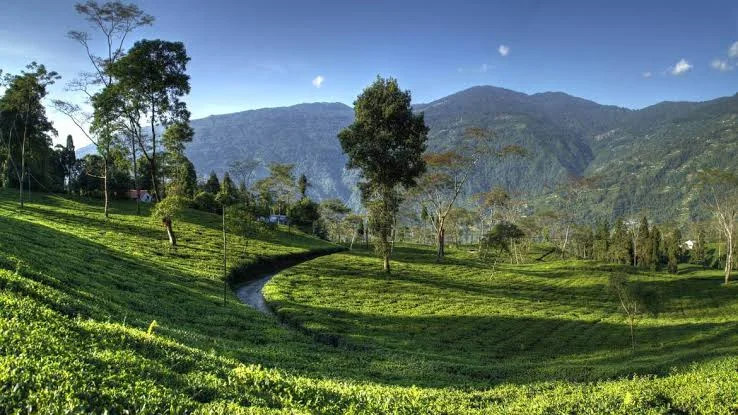
Darjeeling is one of India’s most complete travel destinations. The Queen of the Hills sits at 2,050 metres above sea level on a Himalayan ridge in West Bengal, surrounded by over 300 tea estates producing some of the world’s most prized teas. It offers mountain views, Buddhist monasteries, a UNESCO World Heritage railway, colonial architecture, serious trekking, and some of the best food in the eastern Himalayas — all within a compact, walkable hill town.
This is the complete 2026 tour guide: where to go, what to do, when to visit, how to get there, and how to make the most of every day.
Why Darjeeling Belongs on Your India Itinerary
Most international visitors to India focus on the Golden Triangle — Delhi, Agra, Jaipur — and miss the east entirely. That’s understandable. The Golden Triangle is spectacular. But Darjeeling offers something completely different: cool air, mountain scale, Buddhist culture, and a slower pace that feels like a different country from the Gangetic plains.
A four to five day Darjeeling trip works beautifully as an extension of a Golden Triangle tour, or as a standalone destination for those who specifically want the hills, the tea, and the Himalayas.
What makes Darjeeling exceptional:
- The sunrise from Tiger Hill over Kanchenjunga — one of the great natural spectacles in Asia
- The Darjeeling Himalayan Railway — a UNESCO World Heritage narrow-gauge toy train that has been running since 1881
- 300+ tea estates producing the world’s most sought-after tea, available to visit and buy at source
- Buddhist monasteries dating to the 18th and 19th centuries, active and open to visitors
- The Sandakphu trek — a 4-day route through Singalila National Park offering views of four of the world’s five highest peaks
- A cosmopolitan hill town culture shaped by Nepali, Tibetan, Bengali, and British influences — reflected in the food, architecture, and street life
Best Places to Visit in Darjeeling
1. Tiger Hill — The Sunrise That Changes Everything
Tiger Hill is where every Darjeeling trip begins emotionally, even if you visit it mid-trip. At 2,590 metres — the highest point in the Darjeeling area — it offers a panoramic view of the eastern Himalayas that on clear mornings includes Kanchenjunga, Kabru, Jannu, Makalu, and, on exceptional days, the distant silhouette of Everest.
The sunrise here is not merely a tourist attraction — it is a genuine spectacle. The moment the first light strikes the snow on Kanchenjunga’s triple summit, shifting it from shadow to brilliant amber to pure white over the course of twenty minutes, is something that stays with you for years.
Practical details:
- Located 11 km from Darjeeling town centre
- Depart from Darjeeling by 4:00–4:30 AM to reach before sunrise
- Entry fee: ₹50 (Indian) / ₹100 (Foreign) for the main viewpoint; observatory tower has tiered pricing (ground floor ₹20, first floor ₹30, top floor ₹40)
- Open daily from early dawn to sunset
- Best months: October to December and February to April (clearest skies)
- A jeep or taxi from Darjeeling costs ₹200–₹300 for the early morning run
Tip: Go mid-week if possible. Weekend mornings attract large crowds and vehicles can block the road to the summit — some visitors end up walking the final section. On clear winter mornings, arrive by 5:00 AM to secure a good position.
2. Darjeeling Himalayan Railway — The Toy Train
The Darjeeling Himalayan Railway has been running since 1881. A narrow-gauge engineering marvel that climbs through tea gardens, mountain villages, and hairpin bends, it was designated a UNESCO World Heritage Site in 1999 — one of only three mountain railways in India to receive that recognition.
The full route runs 88 kilometres from New Jalpaiguri in the plains to Darjeeling town, gaining over 2,000 metres in altitude through a series of loops and zigzags designed to manage the steep gradient. The engineering is genuinely extraordinary — particularly the Batasia Loop, where the track spirals around a full circle to gain height.
For most visitors, the practical choice is the joy ride — a two-hour round trip from Darjeeling station to Ghoom (the highest railway station in India at 2,258 metres) and back, with a stop at the Batasia Loop and Ghoom Monastery.
Tickets:
- Steam engine joy ride (Darjeeling–Ghoom–Darjeeling): approximately ₹1,500 per adult
- Diesel engine joy ride: approximately ₹1,000 per adult
- Full route (New Jalpaiguri to Darjeeling, first class): ₹1,300–₹1,400 approx
- Joy ride timings: 10:00 AM to 4:00 PM daily; closed on the 19th of every month for maintenance
Tip: Book in advance during peak season (October to December and March to May) — steam ride seats sell out 2–3 weeks ahead. Book via IRCTC or authorised agents. The steam engine joy ride is the definitive experience; the diesel ride is cheaper but less atmospheric.
3. Batasia Loop & Gorkha War Memorial
The Batasia Loop is one of the most photographed spots in Darjeeling — and deservedly so. Built in 1919 to allow the toy train to navigate the steep gradient into Darjeeling town, the loop spirals around a beautifully landscaped garden and war memorial.
The Gorkha War Memorial at the centre honours the Gorkha soldiers who fought and died for India in various wars. It’s a quiet, dignified space. The views from the loop — looking out over the town, the valley, and the mountains beyond — are among the best in Darjeeling.
The toy train passes through and makes a brief stop here on its joy ride. If you’re not taking the train, the loop is equally worth visiting independently.
Entry fee: ₹20–₹30 per person (toy train ticket holders enter free) Visiting hours: 6:00 AM to 8:00 PM
4. Ghoom Monastery (Yiga Choeling Gompa)
Eight kilometres from Darjeeling town on the road to Tiger Hill, Ghoom Monastery is the oldest Tibetan Buddhist monastery in the Darjeeling region, dating to 1850. It belongs to the Gelugpa (Yellow Hat) sect and is home to a magnificent 15-foot statue of the Maitreya Buddha — the future Buddha — that dominates the main prayer hall.
The atmosphere inside is profoundly peaceful. Butter lamps flicker in the dim light. The smell of juniper incense fills the air. On most mornings, monks move quietly through the courtyards or gather for debates. The monastery walls are covered in intricate thangka paintings and murals.
Entry: Free (donations welcomed) Photography: Permitted in the courtyard; ask before photographing inside the prayer hall Opening hours: 9:00 AM to 6:00 PM daily
Tip: The toy train stops here during the joy ride for 15 minutes — enough for a quick look around, but if the monastery interests you, visit independently for 45 minutes to an hour.
5. Happy Valley Tea Estate
Darjeeling tea is one of the world’s great agricultural products — a GI-tagged variety with a characteristic muscatel flavour that no other region in the world replicates. The muscatel character comes from a combination of altitude, soil composition, climate, and a very specific biological process involving a leaf hopper insect that stresses the tea plant in a way that produces unique aromatic compounds.
Happy Valley is the closest working tea estate to Darjeeling town — just three kilometres from Chowrasta Square — and one of the most visitor-friendly. Established in 1854, it offers guided tours through the plucking fields and into the factory, where you can watch the complete production process: withering, rolling, oxidation, drying, and sorting.
Tours and tea tasting are available most mornings. Buy directly from the estate — it’s cheaper than Mall Road shops and you know exactly what you’re getting.
Location: 3 km from Chowrasta Square Best time to visit: March to May (first flush harvest) and October to November (autumnal flush) Guided tour: Available on request; small fee applies
6. Observatory Hill & Chowrasta Square
Observatory Hill is the spiritual heart of Darjeeling. A forested hill directly above the town’s central square, it is sacred to both Hindus and Buddhists — prayer flags flutter from the trees, small shrines dot the pathways, and the air fills with bells and incense. The Mahakal Temple at the summit is dedicated to Shiva and draws both local worshippers and curious visitors.
The walk up through the prayer flag-lined path is one of the most atmospheric short walks in Darjeeling — ten to fifteen minutes through forest with birdsong and mountain views emerging at the top.
Below Observatory Hill, Chowrasta Square is the social hub of Darjeeling — a pedestrianised plaza where locals and visitors congregate, street food vendors operate, and Himalayan views open up on clear days. The famous Keventer’s café on the square has been serving breakfasts here since the 1930s.
Entry: Free Best time: Morning (clear views before the afternoon mist rolls in) or early evening (local life)
7. Padmaja Naidu Himalayan Zoological Park
Established in 1958 and sitting at 7,000 feet above sea level, the Padmaja Naidu Zoo is Asia’s highest altitude zoo and one of India’s most important conservation centres. Its primary focus is endangered Himalayan species — and the red panda enclosure alone justifies the visit.
The zoo’s residents include red pandas, snow leopards, Tibetan wolves, clouded leopards, Himalayan black bears, and a remarkable variety of Himalayan birds. The conservation breeding programmes for snow leopards and red pandas here are internationally recognised.
Entry fee: ₹100 (Indian adult), ₹50 (Indian child), ₹200 (Foreign adult) Timings: 8:30 AM to 4:00 PM; closed on Thursdays Time required: 1.5 to 2 hours
8. Himalayan Mountaineering Institute
Adjacent to the zoo, the Himalayan Mountaineering Institute (HMI) was established in 1954 following Tenzing Norgay’s first ascent of Everest. Tenzing himself was the first director of mountaineering here, and his personal equipment — including gear from the 1953 Everest expedition — is displayed in the museum.
For anyone interested in the history of Himalayan climbing, this is a genuinely fascinating museum. The Everest exhibition traces the history of attempts on the world’s highest peak from the early British expeditions onward. Tenzing’s ice axe, boots, and other artefacts from the summit climb are displayed under glass.
Entry fee: ₹40 (Indian adult), ₹20 (children) Timings: 9:00 AM to 5:00 PM; closed Thursdays
9. Japanese Peace Pagoda
Built on the slopes of Jalaphar Hill by the Japanese Buddhist organisation Nipponzan Myohoji, the Peace Pagoda is one of 80 such structures built around the world as monuments to peace. The Darjeeling pagoda contains four statues of the Buddha representing different aspects of his teaching.
The location is exceptional — the pagoda sits above the town with panoramic views across the valley and toward the Himalayan range. The surrounding gardens are beautifully maintained and serene. It’s one of the most photogenic spots in Darjeeling and significantly less crowded than the main tourist sites.
Entry: Free Timings: 4:30 AM to 8:00 PM
10. Rock Garden & Ganga Maya Park
Located 10 kilometres from town on the road to Mirik, the Rock Garden (also known as Barbotey Rock Garden) is a terraced hillside garden built around a natural waterfall. The Chunnu Summer Falls cascade through multiple levels of the garden, and the surrounding slopes are planted with flowering plants, ferns, and ornamental trees.
It’s a popular picnic spot for local families and a genuinely lovely place to spend an hour on a clear afternoon — particularly if you’ve been doing temple and monastery visits and want something purely natural.
Entry fee: ₹30 per person Best time: Morning or late afternoon; midday can be crowded on weekends
11. Mirik — A Day Trip Worth Taking
49 kilometres from Darjeeling, Mirik is a quieter, less-visited hill station centred around Sumendu Lake. The lake itself is surrounded by gardens, a horse riding circuit, and rowing boats for hire. The surrounding landscape of tea estates, orange orchards, and pine forests is beautiful.
Mirik is best visited as a day trip from Darjeeling — it’s a pleasant break from the town’s bustle, the roads pass through some of the most scenic tea garden country in the region, and the smaller crowds make it feel significantly more relaxed.
Distance from Darjeeling: 49 km (approximately 1.5 hours by road) Entry fee: ₹10 per person for the lake area
Things to Do in Darjeeling
Trek to Sandakphu
The Sandakphu trek is the defining high-altitude experience of the Darjeeling region — and one of the finest moderate treks in the Indian Himalayas. Sandakphu stands at 3,636 metres on the Singalila Ridge, on the border of West Bengal and Nepal, and offers what is arguably the finest Himalayan panorama accessible without technical mountaineering.
From the summit, you can see four of the world’s five highest peaks simultaneously: Everest, Kangchenjunga, Lhotse, and Makalu. The view is sometimes called the “sleeping Buddha” — the ridgeline of peaks forms a silhouette that resembles a reclining figure. On a clear morning, it stops you cold.
The trek begins at Maneybhanjyang, 26 kilometres from Darjeeling. The full route takes 4 to 5 days return, following the Singalila Ridge through rhododendron forests (spectacular in April when in full bloom), bamboo groves, and high-altitude grasslands inhabited by red pandas, Himalayan black bears, and a remarkable diversity of birds.
Accommodation along the route is in basic but comfortable trekking lodges operated by the West Bengal Tourism Development Corporation. The trail is well-marked and maintained.
- Best season: April to June (rhododendrons) and October to December (clearest mountain views)
- Difficulty: Moderate — no technical experience required, but good physical fitness and proper footwear essential
- Permit: Singalila National Park entry permit (available at Maneybhanjyang, ₹100 per person)
- Guide: Strongly recommended — local Darjeeling guides know the trail, weather patterns, and wildlife
- Duration: 4–5 days return from Maneybhanjyang
Not ready for the full trek? The first section to Tonglu (3,070 metres) is achievable as a challenging day walk from Maneybhanjyang and still delivers exceptional Himalayan views.
Visit a Tea Factory During Harvest
Visiting Darjeeling during the first flush (mid-March to late April) or second flush (May to June) lets you see and taste tea at its most alive. Factory visits during harvest show the entire production process — from plucking to finished product — and the opportunity to buy directly from the estate means you’re getting the real thing at honest prices.
Besides Happy Valley, other estates that welcome visitors include Glenburn Tea Estate (also an upmarket boutique lodge), Makaibari Tea Estate (a famous organic estate near Kurseong), and Castleton Tea Estate (known for producing some of the most expensive teas in the world at auction).
White Water Rafting on the Teesta
The Teesta River, flowing down from the Himalayas through the Darjeeling foothills, offers rafting stretches suitable for both beginners and experienced paddlers. The most popular sections are between Melli and Teesta Bazaar — a combination of Grade II and Grade III rapids set against a backdrop of dense forested hills.
Rafting on the Teesta is typically organised as a day trip from Darjeeling — a 1.5 to 2 hour drive down the mountain to the river and back. Half-day and full-day rafting packages are available through operators in Darjeeling town.
Best season: October to December and March to May (avoid monsoon)
Walk Mall Road and Explore Chowrasta
Mall Road is the primary commercial and social spine of Darjeeling town — a pedestrianised street lined with colonial-era buildings, shops, cafés, and bakeries. Walking it slowly in the morning or evening, watching the town operate at its own altitude-adjusted pace, is one of the underrated pleasures of a Darjeeling trip.
The bakeries deserve special mention. The British colonial history left behind a baking tradition — you’ll find excellent cakes, pastries, and breads at places like Glenarys, which has been operating since 1935. The breakfast at Keventer’s on Chowrasta has been a Darjeeling institution since the 1930s.
Shop for Tea, Handicrafts & Local Produce
The markets around Mall Road and Chowrasta offer Darjeeling’s famous teas, Tibetan handicrafts, thangka paintings, pashmina shawls, and local produce. The key is buying tea directly from estates or certified shops rather than generic vendors — tea fraud is rampant in India’s tourist markets, and fake Darjeeling tea labelled as the real thing is sold widely. Nathmull’s on Laden La Road is one of Darjeeling’s most respected and long-established tea sellers.
When to Visit Darjeeling — Month by Month
October to November — Best for Mountain Views
The post-monsoon months offer the clearest skies and the most spectacular Himalayan visibility. Kanchenjunga is visible on a high percentage of mornings at Tiger Hill. The air is crisp and clean, temperatures are comfortable during the day (12°C–18°C) and cold at night (5°C–8°C). The autumn foliage adds colour to the hillsides. This is peak season — the most popular time to visit, and correspondingly the busiest.
March to May — Best for Trekking and Tea
Spring is the other great window. The rhododendrons along the Sandakphu trail bloom spectacularly in April — the forest turns red, pink, and white for several weeks. The first flush tea harvest runs from mid-March to late April, making this the ideal time to visit estates and buy fresh tea. Temperatures are pleasantly warm (15°C–22°C days, 8°C–12°C nights). April is the single best month overall.
December to February — Cold but Quiet and Magical
Winter brings cold temperatures (down to 0°C and below at night) and occasional snowfall on the higher ground. Tiger Hill and the Sandakphu ridge receive snow. The town is quieter, accommodation is cheaper, and the quality of mountain views on clear days is exceptional. Pack seriously warm clothing — down jacket, thermals, good boots. January mornings at Tiger Hill in snow, looking at Kanchenjunga, are among the most extraordinary winter experiences in India.
June to September — Monsoon (Avoid for Sightseeing)
The monsoon arrives in June and continues through September, bringing heavy rainfall, frequent landslides, and near-zero visibility for mountain views. Tiger Hill and Sandakphu are effectively inaccessible on most days. The landscape turns lush and green, and the town is dramatically quieter — but this is not the right time to visit for first-timers.
How to Reach Darjeeling
By Air
The nearest airport is Bagdogra (IXB), approximately 90 kilometres from Darjeeling town. Direct flights connect Bagdogra to Delhi, Mumbai, Kolkata, and other major Indian cities. From Bagdogra, a private taxi to Darjeeling takes 3 to 3.5 hours on mountain roads. Shared taxis (significantly cheaper) are also available and take slightly longer.
For international visitors, the most common routing is via Kolkata (CCU) with a connecting flight to Bagdogra, or via Delhi with a direct Bagdogra connection.
By Train
The most scenic rail approach is via New Jalpaiguri (NJP) station, approximately 86 kilometres from Darjeeling. NJP is well-connected to Delhi, Kolkata, Mumbai, and other major rail hubs. From NJP, taxis and shared jeeps run to Darjeeling — the road journey takes 3 to 4 hours.
From NJP, you can also board the Darjeeling Himalayan Railway for the full 88-kilometre toy train journey to Darjeeling — a spectacular but long (7–8 hour) ride that is more of a heritage experience than a practical transport option. Most visitors who want the toy train experience take the joy ride from Darjeeling itself rather than the full route.
By Road from Delhi
Delhi to Darjeeling is approximately 1,500 kilometres. The most practical option is to fly to Bagdogra or take an overnight train to NJP. Driving the full distance is possible but takes 2–3 days and is rarely done by leisure travellers.
By Road from Kolkata
Kolkata to Darjeeling is 600 kilometres — roughly 12 to 14 hours by road or overnight train to NJP followed by a 3-hour taxi. Many visitors do this as a sleeper train departure from Howrah or Sealdah station overnight, arriving at NJP in the early morning for the mountain road drive.
Where to Stay in Darjeeling
Luxury
Glenburn Tea Estate — arguably the finest accommodation in the Darjeeling region. A boutique tea estate lodge on a working tea plantation, 13 kilometres from town. Eight heritage rooms, exceptional food, guided walks through the plantation, and the rare experience of complete quiet at altitude. Bookings fill months in advance during peak season.
Mayfair Darjeeling — a heritage colonial property on the ridge with mountain views, well-appointed rooms, and a strong restaurant. The closest thing to a luxury hotel in the town itself.
Mid-Range
Windamere Hotel — a legendary colonial-era property that has hosted generations of travellers on the ridge. Period furniture, log fires in winter, and an atmosphere that feels genuinely untouched by the modern hotel industry. Character over luxury.
Cedar Inn — well-located, comfortable, and consistently well-reviewed by independent travellers. Good mountain views from upper rooms.
Budget
The Chowrasta and Laden La Road areas have numerous guesthouses and budget hotels catering to Indian domestic travellers. Standards vary — check recent reviews. Hot water is essential given the temperatures; confirm before booking.
Darjeeling Food Guide
The Darjeeling food scene is one of India’s most interesting and underappreciated — a natural fusion of Nepali, Tibetan, Bengali, and British culinary traditions at altitude.
Momos — steamed dumplings filled with vegetable, chicken, or pork, served with a fiery tomato and chilli dipping sauce. The street food version is the definitive Darjeeling snack. Available everywhere, but particularly good at the stalls near Chowrasta.
Thukpa — a warming Tibetan noodle soup with vegetables or meat. Perfect for cold evenings. Every Tibetan-run restaurant in town does a version.
Alu dum — Darjeeling’s own version of spiced potato curry, typically eaten with puri. A breakfast staple across the hill station.
Sha Phaley — Tibetan fried meat-filled bread, crispy outside and rich inside. Excellent street food.
Darjeeling tea — obviously. First flush (March–April) is the most prized, with floral, muscatel notes. Second flush (May–June) is richer and more full-bodied. Autumnal flush (October–November) is gentle and amber. Try all three if you can — they are genuinely different teas, not just different timings.
Glenarys Restaurant & Bakery — the most famous restaurant in Darjeeling, in a heritage building on Nehru Road. The cakes, pastries, and full English breakfasts have been drawing visitors since 1935. A must for breakfast or afternoon tea.
Keventer’s on Chowrasta — open-air terrace, mountain views, excellent breakfast. The sausage and egg plates are a hangover from the British era and genuinely good.
Practical Tips for Your Darjeeling Visit
Carry warm layers at all times. Even in summer, Darjeeling evenings drop sharply once the sun goes behind the ridge. In October to March, nights go below 5°C and morning Tiger Hill visits require serious cold-weather clothing — down jacket, gloves, hat.
Start everything early. The morning mist and clouds that give Darjeeling its mystical atmosphere also obscure the mountain views by mid-morning on many days. Tiger Hill, Observatory Hill, and all mountain viewpoints are best before 9 AM. Book the toy train joy ride for its earliest slot.
Altitude adjustment. At 2,050 metres, Darjeeling is high enough that some visitors feel mild altitude effects (headaches, slight breathlessness) for the first 24 hours. Hydrate well, take it easy on the first day, and avoid heavy exertion immediately on arrival.
How many days do you need? Three days covers the main Darjeeling highlights comfortably: Tiger Hill sunrise, toy train joy ride, Batasia Loop, Ghoom Monastery, tea estate visit, zoo and HMI, Observatory Hill, and the markets. Four to five days allows you to add the Sandakphu trek or day trips to Mirik and Lamahatta.
Permits for Sandakphu. The Singalila National Park entry permit is required for the Sandakphu trek — available at Maneybhanjyang for ₹100 per person. Foreign nationals need to carry their passport.
Book tiger hill jeeps in advance. During peak season (October to December), the early morning Tiger Hill taxi services from Darjeeling town fill up. Ask your hotel or guide to arrange this the evening before.
Photography. A wide-angle lens or phone in panorama mode is essential for the Himalayan views. At Tiger Hill before sunrise, a telephoto lens or zoom camera gives you the dramatic Kanchenjunga close-ups. Inside monasteries, always ask before photographing.
Darjeeling + Golden Triangle — The Perfect India Combination
Darjeeling and the Golden Triangle (Delhi–Agra–Jaipur) represent the two poles of the Indian travel experience: the ancient Mughal plains and the high Himalayan hills.
A combined 12 to 14 day India itinerary typically runs:
Days 1–2: Delhi Days 3–4: Agra (Taj Mahal, Agra Fort) Days 5–6: Jaipur (Amber Fort, City Palace, markets) Day 7: Return to Delhi, fly to Bagdogra Days 8–11: Darjeeling (Tiger Hill, toy train, tea estates, Sandakphu day trek) Day 12: Fly Bagdogra back to Delhi for international departure
This is one of Squid Travel India’s most popular extended itinerary formats — giving visitors both the Mughal monuments and the Himalayan hill station experience in a single trip.
Quick Reference — Entry Fees & Timings
| Attraction | Entry Fee (Indian) | Entry Fee (Foreign) | Timings |
|---|---|---|---|
| Tiger Hill viewpoint | ₹50 | ₹100 | 4:00 AM to 6:00 PM |
| Tiger Hill observatory (ground) | ₹20 | ₹20 | Same as above |
| Batasia Loop & War Memorial | ₹20–₹30 | ₹20–₹30 | 6:00 AM to 8:00 PM |
| Ghoom Monastery | Free | Free | 9:00 AM to 6:00 PM |
| Padmaja Naidu Zoo | ₹100 | ₹200 | 8:30 AM to 4:00 PM (closed Thu) |
| Himalayan Mountaineering Institute | ₹40 | ₹40 | 9:00 AM to 5:00 PM (closed Thu) |
| Japanese Peace Pagoda | Free | Free | 4:30 AM to 8:00 PM |
| Rock Garden | ₹30 | ₹30 | Sunrise to sunset |
| Toy Train joy ride (steam) | ₹1,500 approx | ₹1,500 approx | 10:00 AM to 4:00 PM |
| Toy Train joy ride (diesel) | ₹1,000 approx | ₹1,000 approx | 10:00 AM to 4:00 PM |
| Sandakphu trek permit | ₹100 | ₹100 | Available at Maneybhanjyang |
Book Your Darjeeling Tour with Squid Travel India
Squid Travel India runs customised Darjeeling tours as standalone itineraries and as extensions of Golden Triangle packages. Whether you want three days focused on Tiger Hill, the toy train, and tea gardens, or a five-day itinerary that includes the Sandakphu trek, we build it around your schedule and interests.
Every booking includes private AC transport from Bagdogra airport, accommodation at handpicked hotels, a local expert guide, and advance bookings for the toy train and Tiger Hill jeep. We handle the logistics so you experience the place.
We’ve completed over 1,800 tours with a 98% satisfaction rate and TripAdvisor Travelers’ Choice recognition for 2024–25.
Plan your Darjeeling trip with Squid Travel India → Call us: +91 9990812499
Squid Travel India is a New Delhi-based, award-winning tour operator specialising in Golden Triangle tours, Rajasthan packages, South India and Kerala tours, wildlife safaris, and Eastern Himalayan itineraries including Darjeeling, Sikkim, and the Dooars

Comment (0)