

India is one of the last great wilderness destinations on Earth. Home to over 500 wildlife sanctuaries, 100+ national parks, and the world’s largest population of wild tigers, India offers wildlife experiences that simply cannot be replicated anywhere else on the planet. Whether you’re watching a Royal Bengal Tiger emerge from the tall grass at dawn, locking eyes with a one-horned rhinoceros in Assam, or drifting silently through a mangrove forest in search of the elusive Sundarbans tiger — India’s wild side will leave you breathless.
At Squid Travel India, we’ve taken thousands of travellers into the heart of India’s jungles. In this guide, we break down the Top 10 best wildlife tours in India — with everything you need to know about the best parks, best seasons, wildlife highlights, and why each destination deserves a spot on your bucket list.
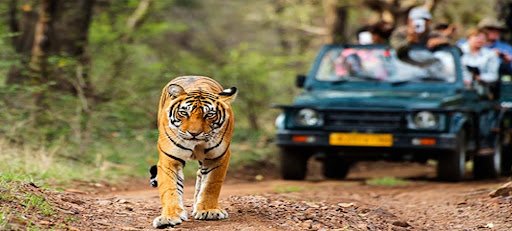
1. Ranthambore National Park, Rajasthan — The King’s Jungle
Best For: Tiger sightings, history lovers, first-time safari goers Best Time to Visit: October to June (peak sightings: March to May) Star Wildlife: Bengal Tiger, Leopard, Sloth Bear, Crocodile, Nilgai
If there is one name synonymous with best wildlife tours in India, it is Ranthambore. Once the royal hunting grounds of the Maharajas of Jaipur, this legendary park in Rajasthan is now one of India’s greatest conservation success stories and the most popular tiger reserve in the country.
What makes Ranthambore unique is the dramatic backdrop: tigers here are frequently spotted lounging near ancient lakes, prowling beneath the ruins of the 10th-century Ranthambore Fort, or stalking prey through open grasslands — giving you cinematic wildlife encounters that feel straight out of a David Attenborough documentary.
The park is divided into 10 zones, with Zone 3, 4, and 5 being the most sought-after for tiger sightings. Famous tigresses like Arrowhead and their lineage have made this park legendary among wildlife photographers worldwide.
Squid Travel Tip: Book your safari zone 3 jeep slot at least 60–90 days in advance during peak season. Morning safaris between 6–10 AM offer the best chances of a tiger sighting.
Safari Type: Open jeep (Gypsy) and Canter (shared vehicle) Pairs perfectly with: Golden Triangle Tour (Delhi–Agra–Jaipur) + Ranthambore extension
2. Jim Corbett National Park, Uttarakhand — India’s First and Finest
Best For: Tiger and elephant lovers, birding, nature photography Best Time to Visit: November to June Star Wildlife: Bengal Tiger, Asian Elephant, Gharial, Leopard, 600+ bird species
Established in 1936, Jim Corbett National Park holds the proud title of being India’s first national park and one of the founding members of Project Tiger. Nestled in the foothills of the Himalayas in Uttarakhand, with the Ramganga River flowing through dense sal forests, Corbett is not just a wildlife destination — it’s an entire ecosystem that overwhelms the senses.
The park’s famous Dhikala zone offers some of the most dramatic wildlife scenery in all of India: vast open grasslands (called chaurs) where elephants graze, tigers hunt, and hundreds of bird species fill the sky. Corbett is also the only national park in India that permits overnight stays inside the jungle at the historic Dhikala Forest Lodge.
With over 600 species of birds, Corbett is equally celebrated as a birdwatcher’s paradise — from the Pallas’s Fish Eagle to the rare Ibisbill along the rocky riverbanks.
Squid Travel Tip: The Dhikala zone requires a special entry permit and is only accessible from the Dhangari gate. Book well in advance and opt for at least a 2-night stay inside the park for an immersive experience.
Safari Type: Jeep safari, Canter safari, overnight forest rest house stay Pairs perfectly with: Rishikesh yoga retreat or Nainital hill station add-on
3. Bandhavgarh National Park, Madhya Pradesh — Tiger Central
Best For: Serious tiger chasers, wildlife photographers Best Time to Visit: February to June Star Wildlife: Bengal Tiger (highest density in India), White Tiger (historical), Leopard, Sambar Deer
If you want to see a tiger in the wild, Bandhavgarh gives you the highest probability of any park in India. With one of the greatest densities of Bengal tigers anywhere on Earth, a morning safari in Bandhavgarh’s Tala zone is as close to a guaranteed tiger sighting as wildlife tourism gets.
The park’s compact size — compared to other reserves — means tigers are easier to track and encounter. The landscape is spectacular too: ancient Bandhavgarh Fort ruins sit atop a central hill, surrounded by bamboo forests, meadows, and rocky outcrops that tigers love to use as territory markers.
Beyond tigers, Bandhavgarh is excellent for leopard sightings, sloth bear encounters, and over 250 bird species including the rare Crested Serpent Eagle.
Squid Travel Tip: Stay near the Tala Gate and prioritise early morning safari slots. The Magadhi and Khitauli zones are less crowded and offer authentic wilderness experiences with fewer vehicles.
Safari Type: Open jeep (Gypsy) safari — the only way to explore Pairs perfectly with: Kanha National Park (just 3–4 hours away) for a Central India safari circuit
4. Kaziranga National Park, Assam — The Rhino Kingdom
Best For: One-horned rhino sightings, elephant safaris, birdwatching Best Time to Visit: November to April Star Wildlife: Indian One-Horned Rhinoceros, Asian Elephant, Wild Water Buffalo, Royal Bengal Tiger, Swamp Deer
Kaziranga National Park is one of the world’s most extraordinary conservation triumphs. A UNESCO World Heritage Site, this magnificent park in Assam shelters over two-thirds of the entire world population of the Indian One-Horned Rhinoceros — making it the undisputed rhino capital of the planet.
Sprawling across the floodplains of the mighty Brahmaputra River, Kaziranga’s landscape of tall elephant grass, semi-evergreen forests, and seasonal marshes creates the perfect habitat for an astonishing density of wildlife. On a single jeep safari here, it is entirely possible to spot rhinos, wild elephants, water buffaloes, and tigers — all before breakfast.
The Eastern Range of the park, less visited by tourists, offers the most diverse wildlife watching — with Greater Adjutant Storks, Pallas’ Fish Eagles, river otters, and flocks of migratory waterfowl adding to the spectacle.
Squid Travel Tip: The elephant safari at Kaziranga is a bucket-list experience that gets you closer to rhinos than any jeep can. Book this through official park channels as slots are extremely limited.
Safari Type: Jeep safari, Elephant safari, Brahmaputra River boat cruise Pairs perfectly with: Majuli Island (the world’s largest river island) and Shillong for a Northeast India expedition
5. Kanha National Park, Madhya Pradesh — The Jungle Book’s Jungle
Best For: Barasingha (hard ground swamp deer), tiger spotting, landscape photography Best Time to Visit: February to June Star Wildlife: Bengal Tiger, Barasingha (state animal of MP), Wild Dog (Dhole), Gaur, Leopard
Rudyard Kipling drew inspiration for The Jungle Book from the jungles of Central India — and many believe Kanha to be the true home of Mowgli. It’s easy to see why. The park’s ethereal meadows, rolling sal and bamboo forests, and golden morning light create a landscape so cinematic it feels almost mythological.
Kanha is famous for saving the rare Barasingha (hard ground swamp deer) from near-extinction — one of India’s greatest conservation stories. Today, a healthy herd of these stunning deer roams the open meadows, often in the company of tigers on the hunt.
Tiger sightings in Kanha are particularly dramatic because the cats are frequently seen in the open meadows rather than dense forest, giving spectacular, unobstructed views. Wildlife photographers consistently rate Kanha as one of the most beautiful national parks in all of Asia.
Squid Travel Tip: The Kanha meadows at golden hour — with herds of deer lit by warm sunset light and a distant tiger on patrol — is one of the most photographed scenes in Indian wildlife tourism. Always book a sunset safari.
Safari Type: Jeep safari across multiple zones (Kanha, Kisli, Mukki, Sarhi) Pairs perfectly with: Bandhavgarh for the ultimate Madhya Pradesh tiger trail
6. Sundarbans National Park, West Bengal — The Mangrove Mystery
Best For: Adventure seekers, off-beat travellers, bird lovers Best Time to Visit: September to March Star Wildlife: Royal Bengal Tiger, Irrawaddy Dolphin, Estuarine Crocodile, Olive Ridley Sea Turtle, Spotted Deer
The Sundarbans is unlike any other wildlife destination in India — or the world. Straddling the delta of the Ganges, Brahmaputra, and Meghna rivers across India and Bangladesh, it is the largest mangrove forest on Earth and a UNESCO World Heritage Site. Here, there are no jeep safaris. Instead, you explore by boat, drifting silently through a labyrinth of tidal channels, watching the forest for movement.
The tigers of the Sundarbans are legendary — they have adapted to this aquatic world and are known to swim long distances between islands. Spotting one here is rare and thrilling precisely because it’s never guaranteed. The mystique of the Sundarbans tiger is part of what makes this one of India’s most unforgettable wildlife experiences.
Beyond tigers, the Sundarbans teem with life: enormous saltwater crocodiles basking on mudflats, Irrawaddy dolphins surfacing in the channels, and hundreds of bird species including the magnificent White-bellied Sea Eagle.
Squid Travel Tip: Stay at least 2–3 nights on a comfortable river houseboat to maximise your time exploring remote channels accessible only at high tide. Go with a licensed guide who knows the tidal schedules.
Safari Type: Motorised boat safari, houseboat stay Pairs perfectly with: Kolkata city tour before or after
7. Tadoba Andhari Tiger Reserve, Maharashtra — The Rising Star
Best For: Tiger sightings, leopard spotting, emerging eco-tourism Best Time to Visit: March to June (dry season peak) Star Wildlife: Bengal Tiger, Leopard, Sloth Bear, Wild Dog (Dhole), Gaur, Indian Python
Tadoba is rapidly emerging as one of the best wildlife destinations in India — and for good reason. With a thriving tiger population and far fewer crowds than Ranthambore or Bandhavgarh, Tadoba offers a more intimate, authentic safari experience. During the hot dry months of April and May, animals concentrate around the park’s lakes and waterholes, making wildlife sightings remarkably frequent.
Tadoba is particularly celebrated for leopard sightings, which are far more common here than in most other Indian parks. Sloth bears, wild dogs (dholes), massive Indian gaur, and pythons add to the diversity. The park’s lakes create stunning scenery, especially at sunrise when tigers come to drink and cool off.
Maharashtra’s go-to tiger destination, Tadoba punches well above its weight and is fast becoming the preferred choice for repeat safari visitors looking for something beyond the mainstream.
Squid Travel Tip: Book safaris in Tadoba’s buffer zones for a combination of good wildlife and fewer crowds. The Moharli and Kolsa gates are particularly productive for tiger and leopard sightings.
Safari Type: Jeep safari (core and buffer zones) Pairs perfectly with: Ajanta and Ellora Caves for a Maharashtra cultural + wildlife combo
8. Gir National Park, Gujarat — Land of the Asiatic Lion
Best For: Seeing Asiatic lions (found nowhere else on Earth), unique safari experience Best Time to Visit: December to March Star Wildlife: Asiatic Lion, Leopard, Sambar Deer, Chinkara, Indian Fox, 300+ bird species
Gir National Park in Gujarat is the last place on Earth where you can see the Asiatic Lion in the wild. Once hunted to near-extinction with fewer than 20 individuals remaining in the early 20th century, the Asiatic lion population has made a dramatic recovery at Gir — today over 600 lions roam the forest and surrounding areas, making Gir one of conservation’s greatest success stories.
Seeing a pride of Asiatic lions — slightly smaller and shaggier than their African cousins, with a distinctive belly fold — in the dry teak forests of Gir is an experience available nowhere else on the planet. It is, by definition, a once-in-a-lifetime encounter.
Beyond lions, Gir is also excellent for leopard sightings, as both big cats share the same territory and are frequently seen in the same safari. The park’s birdlife, with over 300 species, adds another dimension to any visit.
Squid Travel Tip: Unlike most Indian parks, Gir safaris operate with a compulsory government-assigned guide and vehicle. Book through official Gujarat Forest Department channels well in advance, especially for winter weekends.
Safari Type: Jeep safari with assigned guides Pairs perfectly with: The Rann of Kutch for a spectacular Gujarat wilderness double
9. Periyar Wildlife Sanctuary, Kerala — Elephants in the Mist
Best For: Elephant lovers, birdwatchers, eco-tourism enthusiasts Best Time to Visit: October to March Star Wildlife: Asian Elephant, Bengal Tiger, Gaur, Sambar, Lion-tailed Macaque, 320+ bird species
Nestled deep in the Western Ghats — one of the world’s eight biodiversity hotspots — Periyar Wildlife Sanctuary offers a completely different flavour of Indian wildlife experience. Set around the stunning Periyar Lake, created by a dam built by the British in 1895, the sanctuary is most famous for its magnificent herds of wild Asian Elephants, which come to the lake shores to drink and bathe in full view of visitors on boat rides.
Periyar is the jewel of South India wildlife tourism. Unlike the dry deciduous forests of Rajasthan or the grasslands of Assam, Periyar is lush, green, and fragrant — a spice-laden paradise of cardamom and pepper plantations bordering thick jungle. The boat safari on Periyar Lake, drifting past elephants wading in the shallows and giant gaur grazing on the banks, is one of the most serene wildlife experiences in all of India.
The sanctuary is also a stronghold for the rare Lion-tailed Macaque and home to a healthy tiger population, though sightings are elusive here.
Squid Travel Tip: Periyar’s boat safaris depart at 7 AM and 9:30 AM — always take the 7 AM slot for the best elephant sightings in soft morning light. Combine with a spice plantation tour and a Kerala houseboat stay on the backwaters.
Safari Type: Lake boat safari, guided jungle treks Pairs perfectly with: Kerala Backwaters, Munnar tea gardens
10. Pench National Park, Madhya Pradesh / Maharashtra — The Peaceful Paradise
Best For: Uncrowded safaris, birding, wolf sightings, budget-friendly wildlife tourism Best Time to Visit: November to June Star Wildlife: Bengal Tiger, Leopard, Wild Dog (Dhole), Indian Wolf, Nilgai, 285+ bird species
Pench National Park — straddling the border of Madhya Pradesh and Maharashtra — is perhaps the most underrated national park in India. Believed to be the other inspiration for Kipling’s The Jungle Book, Pench rewards travellers with a peaceful, uncrowded safari experience that many say feels more “wild” than the busier, more famous parks.
Pench’s landscape is a patchwork of teak forests, bamboo thickets, and open meadows irrigated by the Pench River — strikingly beautiful in every season. Tigers here are relaxed and habituated to vehicles, making for unhurried, intimate sightings. The park’s resident packs of Dholes (Indian Wild Dogs) are a particular highlight — these highly social hunters are endlessly entertaining to watch.
For serious birdwatchers, Pench is extraordinary: over 285 species have been recorded here, and the dawn chorus in the sal forest is one of nature’s great free concerts.
Squid Travel Tip: Pench is perfect for first-time wildlife travellers. The smaller crowds, affordable accommodation options, and excellent tiger sightings make it the best value wildlife experience in Central India. Combine with Kanha and Bandhavgarh for the ultimate Madhya Pradesh safari circuit.
Safari Type: Jeep safari (MP and Maharashtra gates) Pairs perfectly with: Kanha and Bandhavgarh — the Central India Tiger Triangle
Essential India Wildlife Safari Tips from Squid Travel India
Best Season for Wildlife Safaris in India: November to June overall. Peak tiger visibility is March to May when the forest dries and animals gather around water sources.
What to Pack: Neutral-coloured clothing (khaki, olive, beige — never bright colours or white), binoculars, a telephoto lens if you’re into photography, insect repellent, sunscreen, a light jacket for early morning safaris, and a reusable water bottle.
Book in Advance: India’s top parks like Ranthambore, Corbett, and Bandhavgarh fill up months in advance. We recommend booking at least 60–90 days ahead for peak season travel.
Responsible Wildlife Tourism: Always follow your guide’s instructions. Never stand up in the jeep, never feed animals, never play music, and maintain respectful silence during sightings. The animals’ welfare always comes first.
Stay Inside or Near the Park: Staying at a jungle lodge close to the park gates dramatically improves your chances of early entry and sunset safari slots.
Why Book Your India Wildlife Tour with Squid Travel India?
At Squid Travel India, we are not just a travel company — we are wildlife enthusiasts who have spent years building relationships with the best guides, naturalists, and jungle lodges across India. With over 1,800 trips completed and a 98% happy client rate, we know what makes a wildlife safari unforgettable.
Whether you want to combine your wildlife tour with the Golden Triangle (Delhi–Agra–Jaipur), explore the royal palaces of Rajasthan, or dive deep into South India’s jungles and backwaters — we will craft a personalised itinerary that fits your budget, your schedule, and your wildlife wishlist.
📞 Call us: +91 9990812499 📧 Email: squidtravelindia@gmail.com 🌐 Explore our Wildlife Tour Packages: squidtravelindia.com
The wild is waiting. Let’s find it together.

Comment (0)