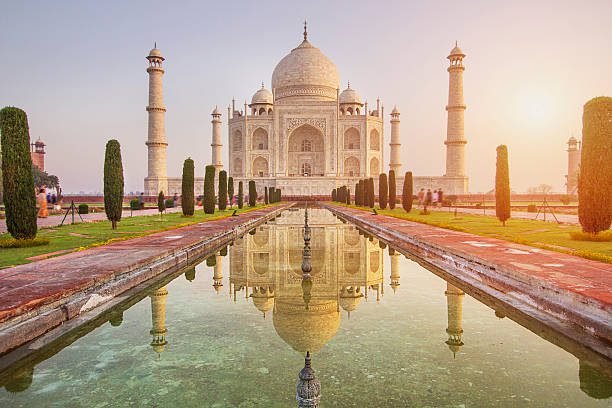
Delhi. Agra. Jaipur. Three of Asia's most extraordinary cities, linked in one seamless journey — with a private guide who knows them inside out.
From the Taj Mahal at sunrise to the pink-walled alleys of Jaipur, this is India at its most iconic. No group buses, no rush — just you, your guide, and a privately tailored itinerary.
Why Now
India sits just 13–17 hours from Sydney, Melbourne or Brisbane with a single connection through Singapore, Kuala Lumpur or Dubai. That's less travel time than Europe, with a fraction of the crowds and a fraction of the cost.
The Golden Triangle — Delhi, Agra and Jaipur — is India's most famous tourist route for good reason. It packs in Mughal architecture, Rajasthani culture, world-class cuisine and the Taj Mahal into a compact, easy-to-navigate loop. You don't need weeks on the road. Six days is enough to see it properly. Ten days lets you breathe.
October to March is the sweet spot: India's cool, dry season lines up precisely with Australian summer and school holidays, so you're travelling when the weather is ideal and the photos are stunning.
Most international tourists arrive at the Taj Mahal on a group coach, spend 90 minutes in a crowd, and move on. A private tour means your guide has one job: making sure you actually understand what you're looking at.
The Golden Triangle Route
Delhi to Agra to Jaipur — and back to Delhi — in a roughly triangular loop across northern India's most historically rich corridor. Each city is distinct in character, architecture and cuisine. Together they tell the story of an entire civilisation.
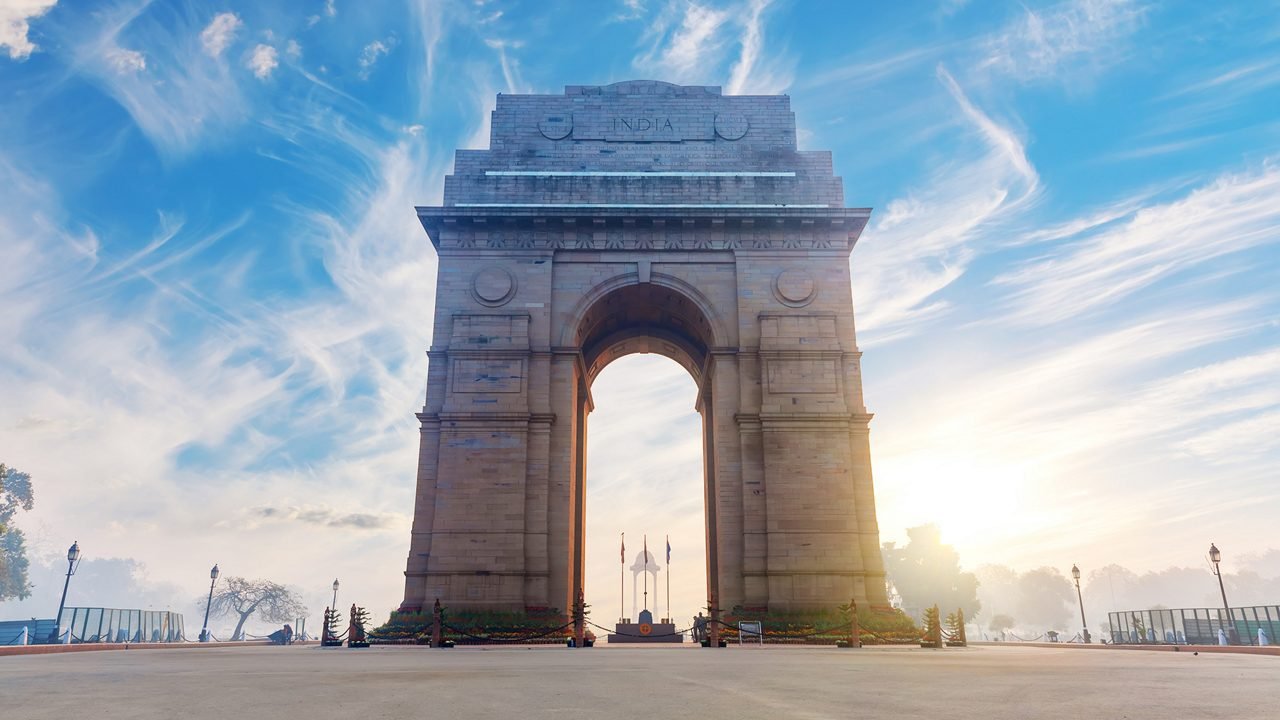
India's capital is a city of layers — 8 cities built on top of each other over 2,000 years. New Delhi is wide boulevards and colonial-era grandeur; Old Delhi is labyrinthine lanes, spice markets and the smell of street food at every turn.
You'll spend two days here and still only scratch the surface. The Red Fort, built by Shah Jahan in 1638, is one of the most impressive fortifications in Asia. Jama Masjid — the largest mosque in India — rises just a few hundred metres away. Rickshaw through Chandni Chowk at dusk, stop at a jalebi stall that's been running since the 1880s, and visit Humayun's Tomb, the architectural forerunner to the Taj Mahal itself.
There is nothing quite like seeing the Taj Mahal for the first time. No photo prepares you for the scale, the symmetry, the way the white marble seems to glow from within at sunrise. Emperor Shah Jahan built it between 1631 and 1648 as a monument to his wife — 20,000 workers, 1,000 elephants, and 22 years of construction.
We time your visit for early morning, arriving before the crowds build. After the Taj, Agra Fort — a UNESCO World Heritage Site and Shah Jahan's later prison — fills the afternoon. One night in Agra, then the drive to Jaipur.
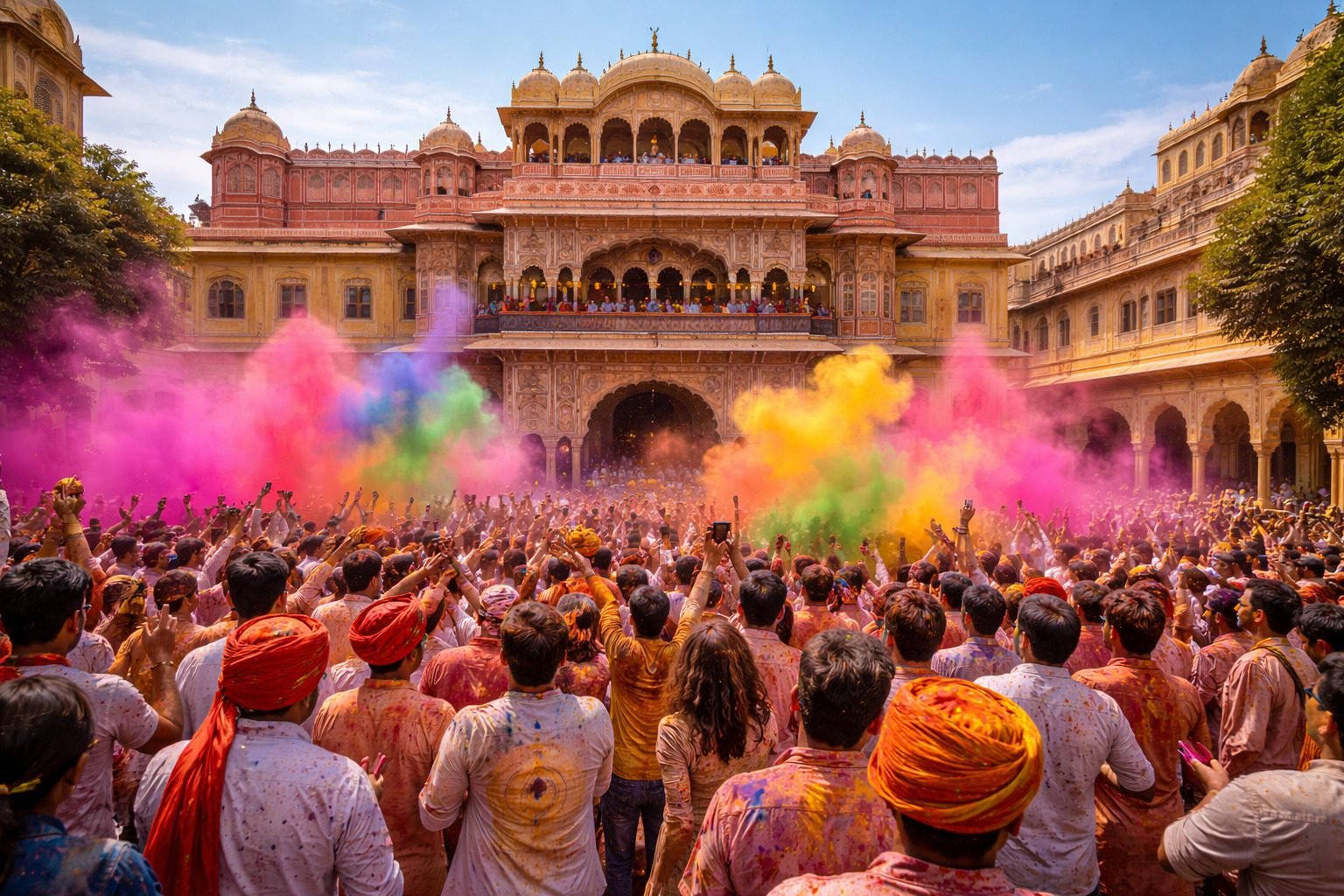
The Pink City earned its name in 1876, when the entire old town was painted terracotta pink to welcome the Prince of Wales. It's still that colour today. Jaipur is Rajasthan's capital and its most accessible city — a living museum of forts, palaces and bazaars that has barely changed in feel for three centuries.
Amber Fort, perched above the city, is one of India's most photographed structures. The City Palace still houses Jaipur's royal family. The bazaars sell some of the finest block-printed textiles, gemstones and blue pottery in the country. Two nights here, then the drive back to Delhi to fly home.
What's Covered
We handle the logistics so you don't have to think about them. Here's what every Squid Travel India Golden Triangle tour includes — and what you book separately.
Sample Itineraries
All three itineraries cover the Golden Triangle core. The 8 and 10-day options add wildlife and the holy city of Varanasi for travellers who want to go deeper. Every itinerary is customised before you travel — these are starting points, not fixed schedules.
Your guide meets you at Indira Gandhi International Airport and transfers you to your hotel. After a long flight from Australia, the afternoon is free to rest, rehydrate and adjust. Evening orientation walk through your neighbourhood — your guide introduces the city, explains what to expect and recommends where to eat dinner.
Start in Old Delhi — Jama Masjid, a rickshaw ride through the spice markets of Chandni Chowk, the Sikh Gurudwara Bangla Sahib. Lunch at a recommended dhal and paratha spot in the old city. Afternoon in New Delhi: Humayun's Tomb (the Taj Mahal's architectural ancestor), Qutub Minar (a 12th-century minaret and UNESCO site), and India Gate at sunset with thousands of locals out for their evening walk.
Early departure by road — the 200km drive takes around 3.5 hours with a stop at a roadside dhaba for breakfast. Arrive Agra early afternoon. Check in, then visit the Taj Mahal in the late afternoon when the marble turns amber in the setting sun. Dinner in Agra — we recommend several rooftop restaurants with Taj views for a memorable evening. Note: The Taj Mahal is closed every Friday — your itinerary is planned around this.
Early wake-up — the Taj Mahal at sunrise is one of the great experiences in travel. The light is soft, the crowds are thin, and the mist from the Yamuna River adds a layer of atmosphere you won't get at midday. After breakfast, visit Agra Fort — the massive sandstone citadel where Shah Jahan spent his final years imprisoned by his son, staring out at the Taj from a marble window. Drive to Jaipur via Fatehpur Sikri, the abandoned Mughal ghost city (2-hour stop). Arrive Jaipur in the evening.
Full day in Jaipur. Morning at Amber Fort — take the jeep up the hillside, then explore the mirrored Sheesh Mahal and the palace's hidden passages. City Palace in the afternoon — still partially inhabited by the Jaipur royal family, with remarkable textile and weapons collections. Hawa Mahal for photos (the honeycomb facade was built so royal women could watch street processions unseen). Evening in the bazaars — your guide knows the best textile shops, gem dealers and block-printing studios that aren't tourist traps.
Morning free — an extra palace, a market visit, or just a slow breakfast with good coffee. Drive back to Delhi for your international departure (4 hours). We time the departure to suit your flight. If you have a late flight, we can stop at Lodi Garden or Connaught Place in Delhi on the way. Arrive home with memories that last — and probably a suitcase full of textiles you didn't plan to buy.
Airport pickup and two days in Delhi — enough time to see both Old and New Delhi without feeling rushed. Red Fort, Jama Masjid, Chandni Chowk, Humayun's Tomb and Qutub Minar. Evening on Day 2 free for dinner at your choice of restaurant — we can book ahead at whichever cuisine you prefer.
Morning drive to Agra. Arrive in time for an afternoon Taj Mahal visit in the golden hour — the marble glows orange and amber as the sun drops. Two nights in Agra means no rushing.
Sunrise at the Taj Mahal — the definitive version of this experience. After breakfast, a thorough visit to Agra Fort with your guide explaining the Mughal dynasty in detail. Afternoon at Mehtab Bagh, the moonlit garden across the river with the Taj as a backdrop. Two Taj Mahal visits, morning and evening light — you'll use every one of those photos.
Drive to Jaipur via Fatehpur Sikri. Two full days gives you time for Amber Fort, City Palace, Jantar Mantar, Hawa Mahal and the bazaars — plus optional extras like a block-printing workshop, a cooking class, or a visit to a Rajasthani carpet weaving co-op. Day 6 evening: rooftop dinner with a classical music performance.
Drive 3 hours south to Ranthambore — one of India's most famous tiger reserves and one of the best places in the world to see Bengal tigers in the wild. The park sits in a former royal hunting ground with 10th-century fort ruins inside. Check in to your jungle lodge, evening orientation and briefing from your naturalist guide.
Pre-dawn wake-up for an open jeep safari through Ranthambore's grasslands and forest. Tiger sightings are most common in October–March — the cool season brings animals to water holes. Leopard, sloth bear, striped hyena and hundreds of bird species fill the park regardless. Drive to Jaipur or Delhi airport for your departure flight.
Full two days in Delhi with a private guide. Beyond the major monuments, this itinerary includes a street food walk in Old Delhi, a visit to the Gandhi Smriti memorial and an evening in the Lodi Art District — Delhi's contemporary side that most tourists miss entirely. Time to adjust to the time zone and get your bearings before the journey south.
The luxury of two nights in Agra: see the Taj Mahal in afternoon light on Day 3 and at sunrise on Day 4. Between visits, explore Agra Fort in depth, take an optional boat ride on the Yamuna River for a side-on Taj view, and visit a marble inlay workshop where artisans still produce the same pietra dura work used in the Taj's walls.
Two full days in Jaipur. Amber Fort, Jaigarh Fort (the one most tourists skip — it holds the world's largest cannon on wheels), City Palace, Jantar Mantar, Nahargarh Fort for sunset over the city. Day 6 afternoon free for shopping — your guide knows the most reputable textile merchants and gem dealers in the old city.
Fly from Jaipur to Varanasi — 70 minutes. Varanasi is unlike anywhere else in the world. One of the oldest continuously inhabited cities on Earth, it sits on the banks of the Ganges and has been a centre of Hindu pilgrimage for over 3,000 years. Your guide explains the ritual bathing, the burning ghats (cremation by the river, visible to visitors with respect), and the dawn boat ride past 84 ghats. The evening Ganga Aarti ceremony — hundreds of oil lamps, priests, bells and chanting — is one of the most visually and spiritually arresting things you can witness anywhere in Asia.
Fly Delhi from Varanasi. Last morning at leisure — Connaught Place for final shopping, Lodi Garden for a quiet walk, or an early airport transfer if you have a morning flight. A 10-day trip gives you India at a pace where you actually absorb what you're seeing. We'll be on WhatsApp as you fly home, ready to start planning when you want to come back.
Planning from Australia
These are the questions we get most from Australian travellers before they book. Straightforward answers — no fluff.
13–17 hrs from Sydney or Melbourne
Connect via Singapore, KL, Dubai or Hong Kong. Singapore Airlines and Qantas are the most popular for Australians.
eVisa — apply online
About AUD $25–30 · 72-hour processing · Valid 30 days · No embassy visit needed · Apply at indianvisaonline.gov.in
IST is AEST +5.5 hrs
In Australian summer (daylight saving): 5 hrs ahead. Easy to adjust — most travellers are over jet lag within 2 days.
October to March
India's peak season — cool, dry, clear skies. Aligns with Australian summer and school holidays perfectly.
Indian Rupee (INR)
Exchange AUD or USD at Delhi airport on arrival. Visa and Mastercard accepted at hotels. Carry rupee cash for markets and rickshaws.
Local SIM at the airport
Airtel or Jio prepaid SIMs: ~AUD $5 for 28 days unlimited data. Works immediately with your passport and visa copy.
Consult your GP 6 weeks before
Hep A, typhoid and tetanus are typical recommendations. No malaria risk on the Golden Triangle route. Drink bottled water only.
15°C to 25°C (Oct–Feb)
Light layers in the morning, t-shirt by midday. Delhi can be cool at night in December–January. March can reach 30°C.
Why Squid Travel India
There are hundreds of India tour operators. Here's what we do differently — and why Australian travellers book with us again and again.
Most tour operators take 24–48 hours to respond to emails. We're on WhatsApp — questions answered the same day, often within the hour. Before you book, while you're planning, and every day you're in India. That's the difference between being a tourist and having someone who's got your back.
We do not run group tours. Your vehicle, your guide, your itinerary. You're not waiting for 18 strangers to finish their photos or adjusting your pace to match a group's slowest walker. If you want to stay an extra hour at the Taj, you stay an extra hour. It's that simple.
Our guides are historians first, logistics managers second. They've been explaining the Mughal Empire and Rajput culture to curious international visitors for years. You'll leave with a genuine understanding of what you saw — not just a list of dates and dimensions.
Whether you want a budget guesthouse or a heritage palace hotel, we have recommendations with firsthand knowledge. We don't take commissions from hotels — we recommend what's genuinely good. Your budget, honestly spent.
India is extraordinary. It's also chaotic, loud, and occasionally overwhelming — especially on your first day. We'll prepare you properly: what to eat, what to avoid, how to handle touts, how to say no politely, and how to stay relaxed when the unexpected happens. Because it will. That's also part of the charm.
Plans change. Flights get delayed. You want to add a day or cut one short. We build flexibility into every itinerary by design and we handle changes without fuss. Your trip should adapt to you, not the other way around.
From Our Guests
"We were nervous about India — first time in Asia, two young kids. Our guide was with us every step of the way. The Taj Mahal at sunrise was the most beautiful thing I've ever seen. We're already planning to go back for Rajasthan."
"WhatsApp communication was brilliant — I sent a message at 11pm from Jaipur asking about a restaurant and got a reply within 20 minutes. That level of service is rare. The guide in Delhi was outstanding — genuinely knew his history."
"We did the 10-day circuit including Varanasi. The Ganga Aarti ceremony was unlike anything we'd ever seen — our guide explained every detail of what was happening. India is overwhelming at first but this was exactly the right way to experience it."
Start Planning
Tell us the basics and we'll come back with a tailored day-by-day itinerary, hotel options at your budget, and a full quote — within 24 hours. No obligation, no deposit required to enquire.
Your enquiry is with us. We'll reply within 24 hours with a draft itinerary and quote.
For a faster response, send us a WhatsApp now.
WhatsApp us directly — it's how most of our Australian guests start their planning. Ask us anything: routes, costs, what to wear, whether the kids will cope, or whether March is too hot. We'll give you a straight answer, not a sales pitch.
Our team is in India, so we reply during Indian business hours — which means by the time you wake up in Australia, there's already an answer waiting.
+91 99908 12499Frequently Asked Questions
Yes — but it's one of the easiest travel visas in the world to obtain. Australian passport holders apply for an India eVisa online at indianvisaonline.gov.in. The tourist eVisa costs approximately AUD $25–30, takes 72 hours to process (sometimes faster), and allows a 30-day stay on arrival. No embassy visit, no physical stamps — you apply online, upload a photo and passport scan, pay by card, and receive the approval by email. Print it or save it on your phone. We recommend applying at least 5–7 days before departure to leave a buffer.
October to March is the best time to visit the Golden Triangle. This is India's cool, dry season — daytime temperatures of 18–27°C with clear blue skies. Mornings can be cool in December and January (worth packing a light jacket), and March starts to warm up before the pre-monsoon heat. This season aligns well with Australian summer holidays and school breaks. The Holi festival in March is a spectacular time to be in India if you can plan around it — Jaipur and Delhi celebrate it with particular energy.
There are no direct flights from Australia to Delhi currently, so you'll connect through a hub — typically Singapore (Changi), Kuala Lumpur, Hong Kong or Dubai. Total travel time from Sydney is typically 14–16 hours; from Melbourne, 13–15 hours; from Perth, closer to 13 hours via Dubai or Singapore. Airlines commonly used by Australians: Singapore Airlines (via SIN), Qantas (via SIN on codeshare), Emirates (via DXB), Cathay Pacific (via HKG) and Air India. Book as early as possible — fares from Australia to Delhi can range from AUD $800 return (budget, multiple connections) to AUD $2,000+ (direct economy on Singapore Airlines or Emirates).
The Golden Triangle — Delhi, Agra and Jaipur — is among the most visited tourist circuits in the world and is well set up for international visitors. The Australian Government's Smartraveller advisory rates these cities at "exercise normal safety precautions," the same rating as many popular European destinations. With a private guide and reliable ground transport arranged before you arrive, you're never navigating alone. Our guides are on WhatsApp throughout your trip, and we're contactable 24/7 if anything comes up. The most common issues travellers encounter — overcharging, persistent touts at monuments, unsolicited "tour" offers — are easily managed with a few simple tips we share in your pre-trip briefing.
No — the Taj Mahal is closed every Friday for Friday prayers at the mosque on the complex. This is non-negotiable and does not change. It's one of the most important things to plan around when booking your itinerary. We always account for this when we design your schedule, typically building your Agra day around a non-Friday visit. If your travel dates make a Friday unavoidable in Agra, we build in flexibility to adjust. The Taj is also closed after sunset (though moonlight viewing on the 5 nights around a full moon is available on a separate ticket booked well in advance).
The local currency is Indian Rupee (INR). You cannot use AUD directly — you'll need to exchange cash on arrival. The best place to exchange is at the dedicated bank counters in Delhi's international arrivals terminal, which offer competitive rates and are open 24 hours. USD exchanges slightly better than AUD at most counters, so if you have USD, bring that; otherwise AUD is fine. For hotels, larger restaurants and organised tours, Visa and Mastercard are accepted almost universally. For street food, auto-rickshaws, market shopping and tips, carry rupee cash. We recommend exchanging the equivalent of AUD $150–200 on arrival and topping up at ATMs as needed (Axis Bank and HDFC ATMs are most reliable for international cards).
Yes — we strongly recommend comprehensive travel insurance and consider it essential, not optional. India's private hospitals (which serve international visitors) are generally very good but costs can be significant without cover. Policies from World Nomads or Cover-More are popular with Australian travellers and cover medical, cancellation, lost luggage and adventure activities. Check that your policy covers "adventure activities" if you're planning the tiger safari — some base policies exclude this. Medicare does not cover you abroad. Buy your insurance as soon as you book your flights, not just before you depart, so you're covered for cancellation from day one.
We include airport pickup in every tour — your guide or a designated driver meets you in arrivals with a name board, transfers you to your hotel in an AC vehicle, and briefs you on the plan for the next day. You don't need to navigate the prepaid taxi queues or bargain with cab drivers on your first evening in India. On your last day, we arrange the return airport transfer to suit your flight. If you're extending your trip independently before or after the tour, we're happy to recommend the Airport Metro Express (fast, cheap, runs to central Delhi) or help you arrange a trusted taxi in advance.