

October is the month the Golden Triangle wakes up.
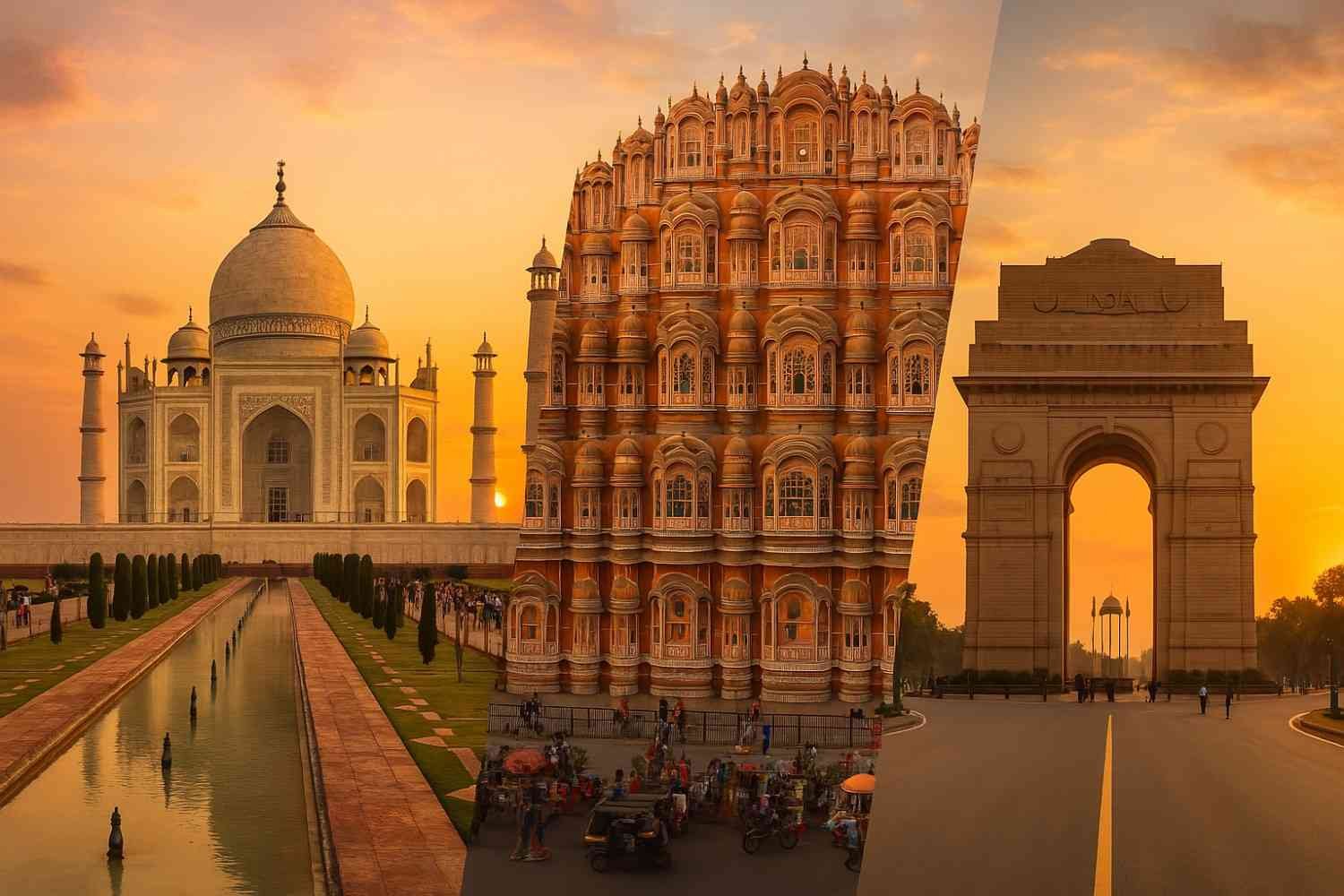
After four months of heat, dust, and monsoon rains that keep most international travellers away, October arrives and transforms the entire circuit. The sky clears. The air cools. The post-monsoon green that has crept across the landscape gives everything a freshness and vividness that the dry winter months cannot replicate. And the Taj Mahal — having spent the summer months glimpsed through heat haze and monsoon cloud — suddenly sits against a sky of such deep, clear blue that photographers who have seen it in a dozen seasons consistently say October light is among the finest of the entire year.
October is also the month Diwali typically falls — and a Golden Triangle trip timed around the Festival of Lights adds a dimension of cultural spectacle that makes an already extraordinary itinerary genuinely unforgettable.
If you are planning a Golden Triangle tour and wondering whether October is the right time — this guide will give you the honest, complete picture. Weather, crowds, costs, Diwali planning, photography conditions, what to pack, and exactly what each city looks like in October.
Is October a Good Time to Visit the Golden Triangle?
The short answer is yes — October is one of the three or four best months of the entire year to visit the Golden Triangle, and it is arguably the most underrated one.
Here is why:
The weather is ideal for sightseeing. October daytime temperatures across Delhi, Agra, and Jaipur range from 28°C to 34°C in early October, dropping to a very comfortable 22°C to 30°C by the end of the month. After the brutal heat of May and June and the high humidity of July and August, these temperatures feel almost miraculous. You can walk through Agra Fort, climb the Amber Fort ramparts, and explore Fatehpur Sikri in the afternoon without suffering.
The landscape is at its most photogenic. The monsoon rains have done their work and then departed. The lawns of the Taj Mahal complex, the gardens of Amber Fort, and the countryside between the cities are lush and green in a way that November and December are not. The post-monsoon clarity of the air, combined with October’s warm golden light, produces some of the best photography conditions of the year.
The crowds are manageable. October falls at the beginning of peak season rather than in the middle of it. The enormous tourist volumes of December and January have not yet built. You will encounter other visitors at every major monument — particularly at the Taj Mahal — but you will not be fighting through the shoulder-to-shoulder crowds of the winter peak. Sunrise at the Taj Mahal in October is busy but not overwhelming.
Hotel rates are reasonable. October sits at the transition point between low-season pricing and peak-season pricing. Early October retains some of the low-season rates from September. By late October, as Diwali approaches, prices at good hotels start climbing. Book in advance, particularly if your trip includes the Diwali period.
One consideration: mosquitoes. The weeks following the monsoon see an increase in mosquito activity across the Golden Triangle. This is manageable with standard insect repellent — but it is worth noting, particularly for evening activities outdoors. Pack repellent and use it at dusk and into the evening.
October Weather in Delhi, Agra and Jaipur
Understanding the weather across each city separately is worthwhile, because there are meaningful differences despite the three cities sitting within a few hundred kilometres of each other.
Delhi in October
Delhi in October transitions from warm to genuinely comfortable across the four weeks of the month. Early October can still feel muggy in the afternoons — residual monsoon humidity lingers into the first two weeks. By mid-October, the air clears noticeably and the evenings become pleasantly cool. By the last week of October, Delhi has fully entered its best weather window.
Temperature: 22°C to 34°C (early October), dropping to 18°C to 30°C by month’s end
Rainfall: Occasional light showers in the first two weeks. By the third week, rainfall is rare and the skies are predominantly clear.
What this means on the ground: Morning sightseeing is comfortable throughout October. Afternoon heat in early October can build to 32–34°C between noon and 3 PM — worth planning around with an indoor lunch break. By late October, afternoons are pleasant enough for extended outdoor exploration. Delhi at dusk in late October — from the rooftops of Hauz Khas Village or the lawns of Lodi Garden — is genuinely beautiful.
Photography conditions: The light in Delhi in October has a warm, golden quality that is different from the flatter winter light of December and January. The post-monsoon clarity means distant monuments are sharp without haze. Sunrise and sunset are particularly dramatic.
Agra in October
Agra in October is widely considered by experienced guides and photographers to offer the finest conditions of any month for visiting the Taj Mahal. The reasoning is consistent: the monsoon-cleaned air, the post-rain lushness of the gardens, the warm October light on white marble, and the crowd levels that are significantly lower than November through February.
Temperature: 24°C to 35°C (early October), dropping to 20°C to 30°C by month’s end
Rainfall: Light showers possible in the first fortnight. Clear from mid-October onward.
What this means on the ground: The Taj Mahal at sunrise in October catches the morning light beautifully. The gardens are green and vivid rather than the dry, dusty brown of February and March. The marble itself has a warmth and luminosity in October light that the cooler, greyer light of December does not replicate.
The Taj Mahal closes on Fridays — plan your Agra visit for any other day. Agra Fort, Fatehpur Sikri, the Baby Taj, and Mehtab Bagh are all in excellent visiting condition throughout October.
Photography conditions: Outstanding. The combination of clean air, green gardens, warm golden light, and manageable crowd numbers makes October one of the best months for Taj Mahal photography. The afternoon light on the red sandstone of Agra Fort is particularly beautiful in October.
Jaipur in October
Jaipur sits on the edge of the Thar Desert and receives less monsoon rainfall than Delhi and Agra. This means October in Jaipur is drier, slightly warmer in the afternoons, and with a characteristic desert clarity to the air that makes views from Amber Fort and Nahargarh Fort exceptional.
Temperature: 26°C to 36°C (early October), dropping to 20°C to 32°C by month’s end
Rainfall: Very little. Jaipur’s monsoon ends earlier than Delhi and Agra and October is predominantly dry and clear.
What this means on the ground: Jaipur in October is excellent for full-day sightseeing. The forts — Amber, Nahargarh, Jaigarh — are best explored in the cooler morning hours, but the afternoon heat is not prohibitive by late October. The famous pink sandstone of the city’s monuments glows magnificently in October’s warm light.
The Amber Fort elephant rides, which many visitors experience, operate in the morning hours and are comfortable in October temperatures. The bazaars of the Pink City — Johari Bazaar for gems, Bapu Bazaar for textiles, Tripolia Bazaar for brasswork — are lively and enjoyable in October’s pleasant evenings.
Photography conditions: Exceptional. Jaipur’s forts and palaces are at their most photogenic in October — warm light, clear air, green vegetation visible on the hillsides, and the pink sandstone buildings lit beautifully at both sunrise and sunset.
October Weather Month Summary
| City | Temperature Range | Rainfall | Best For |
|---|---|---|---|
| Delhi | 18–34°C (drops through month) | Light early October, clear by mid-month | Evening exploration, monuments, food |
| Agra | 20–35°C (drops through month) | Light early October, clear by mid-month | Taj Mahal photography, fort visits |
| Jaipur | 20–36°C (drops through month) | Very little — driest of the three cities | Fort views, bazaars, day trips |
Diwali 2026: Timing and What It Means for Your Trip
Diwali — the Festival of Lights — is the most celebrated festival in India and one of the most visually spectacular events in the world. In 2026, Diwali falls on October 20.
For Golden Triangle travellers, Diwali is simultaneously an extraordinary cultural opportunity and a logistical consideration that requires planning.
What Diwali looks like in the Golden Triangle:
In Delhi, Diwali transforms the city completely. The markets of Chandni Chowk, Lajpat Nagar, and Connaught Place are decorated with lights, flowers, and diyas (clay oil lamps) for the entire week leading up to the festival. Sweet shops overflow with mithai — the traditional Diwali sweets gifted between families. The evenings fill with fireworks from every neighbourhood. The cultural energy is extraordinary.
In Jaipur, Diwali is celebrated with particular grandeur. The illuminated City Palace, the Hawa Mahal, and the bazaars of the old city create a spectacle of lights and colour that makes the Pink City feel genuinely magical. Many heritage hotels arrange rooftop Diwali celebrations with traditional lighting ceremonies, live folk music, and special Diwali menus.
In Agra, the Taj Mahal itself is not specially lit for Diwali — but the surrounding city fills with light and sound. A Taj Mahal visit on Diwali evening, when the monument is bathed in moonlight and the sky around it flickers with distant fireworks, is a genuinely rare and beautiful experience.
The practical considerations:
Hotels during Diwali week command significant premiums — rates at good heritage hotels in Jaipur and Agra can double or triple in the week around October 20. Book accommodation months in advance if your trip coincides with Diwali.
Domestic air travel is heavily booked around Diwali as millions of Indians travel home to celebrate with their families. Book flights well in advance.
Shops, monuments, and some restaurants may operate on reduced hours on the actual day of Diwali. Plan monument visits for the days before or after the festival rather than on Diwali day itself.
Air quality can deteriorate significantly in Delhi on and immediately after Diwali due to fireworks. If you have respiratory sensitivities, plan to be in Agra or Jaipur rather than Delhi on October 20 and 21.
Should you time your trip for Diwali?
Yes — with the caveats above. Experiencing Diwali in Jaipur or Delhi is one of the great travel experiences in India, and very few international visitors plan their trips to coincide with it. The cultural richness of Diwali week in the Golden Triangle far outweighs the additional planning required.
Crowds in October: What to Expect at Each Monument
Taj Mahal Crowds in October
The Taj Mahal is India’s most visited monument and no time of year is truly quiet. That said, October is one of the less crowded months of the peak season.
In practical terms: a sunrise visit to the Taj Mahal in October means sharing the space with a few hundred other visitors rather than the several thousand who arrive in December and January. The famous dawn light is still extraordinary and photography remains very achievable without strangers in every frame — particularly if you position yourself on the eastern side of the garden rather than the central axis, where the largest crowds congregate.
By 9 AM the crowds build noticeably. By 11 AM, particularly on weekends and Indian holidays, the Taj Mahal complex is significantly busier. The advice that applies year-round is most important in October: arrive at opening time, which is currently sunrise, and plan to be inside for the first two hours of the day.
The Taj Mahal is closed on Fridays. October 2026 Fridays fall on the 2nd, 9th, 16th, 23rd, and 30th. Build your Agra schedule around these dates.
Amber Fort Crowds in October
Amber Fort in Jaipur is the other monument where October crowd management matters. The fort draws large volumes of domestic Indian tourists throughout October, particularly on weekends. Arrive before 9 AM for the best experience — the fort in morning light is spectacular and the early crowd levels are manageable. By 11 AM the queues at the main gate and the popular Sheesh Mahal interiors build considerably.
Delhi Crowds in October
Delhi’s major monuments — Red Fort, Humayun’s Tomb, Qutub Minar — are consistently busy throughout October but not overwhelming. The India Gate lawns and Lodi Garden are particularly pleasant in October evenings when Delhi families come out to enjoy the cooling weather. Old Delhi’s Chandni Chowk bazaar is at its most festive in the weeks leading up to Diwali — colourful, crowded, and full of energy.
Hotel Prices and Booking in October
October hotel pricing follows a clear pattern: lower in early October (the tail end of low season), rising sharply in the week before and after Diwali, then settling into standard peak-season rates from late October onward.
Early October (October 1–10): You can often find good heritage hotels at 20–30% below their November peak rates. This is the sweet spot for value — excellent weather, manageable crowds, and reasonable pricing.
Diwali week (October 15–25): Significant premium at popular properties. Good heritage hotels in Jaipur sell out months in advance. Budget an additional 40–80% above normal rates if your trip falls in this window.
Late October (October 26–31): Rates begin to rise toward peak-season levels as November bookings drive up demand. Still generally lower than December.
Booking advice: For an October Golden Triangle trip, particularly one around Diwali, book accommodation at least 3 months in advance. The best rooms at Rambagh Palace in Jaipur, heritage havelis in the old cities, and hotels with Taj Mahal views in Agra are in very high demand throughout October. Last-minute booking in October is a strategy that will leave you in poor-value, poorly-located accommodation.
What to Pack for the Golden Triangle in October
Clothing:
Pack for warm days and cool evenings — the temperature gap between midday and midnight in late October can be 15°C or more. Light, breathable clothing for daytime sightseeing and a light jacket or cardigan for evenings is the right combination throughout October.
Cotton and linen fabrics are ideal — they breathe in the remaining warmth of early October and layer easily for the cooler evenings. Avoid synthetic fabrics that trap heat.
Comfortable walking shoes with good support are essential. The Golden Triangle involves substantial walking on uneven stone surfaces — Fatehpur Sikri, Amber Fort, and the Taj Mahal complex all cover significant ground on foot.
Modest dress for religious sites: covered shoulders and knees when entering mosques, temples, and certain fort interiors. A lightweight scarf in your bag serves both sun protection and dress code purposes.
Health and practical:
Insect repellent — post-monsoon mosquito activity is the one genuine nuisance of October travel in the Golden Triangle. A DEET-based repellent applied at dusk keeps evenings comfortable.
Sunscreen SPF 50 for daytime monument visits — October sun is still strong, particularly between 10 AM and 3 PM.
Sealed bottled water throughout the day — hydration remains important even in October’s relatively cooler temperatures.
Hand sanitiser for street food visits and market exploration.
A small day bag with a zip for navigating busy bazaars.
Suggested October Golden Triangle Itineraries
5-Day October Golden Triangle
Day 1 — Delhi: Arrive Delhi. Rest and recover from travel. Evening walk in Lodi Garden as the city cools. Dinner in Hauz Khas Village or Khan Market.
Day 2 — Delhi: Red Fort and Chandni Chowk in the morning. Humayun’s Tomb in the afternoon. India Gate and Kartavya Path at sunset. In Diwali week, the evening streets of Old Delhi are extraordinary for a walk.
Day 3 — Agra: Drive to Agra (3.5 to 4 hours by road or 2 hours by Gatimaan Express). Check in and rest. Sunset visit to Mehtab Bagh for the best Taj Mahal view of the trip.
Day 4 — Agra to Jaipur: Taj Mahal at sunrise (5:30 AM arrival). Agra Fort mid-morning. Drive to Jaipur via Fatehpur Sikri (total journey approximately 5 to 6 hours with the Fatehpur Sikri stop). Arrive Jaipur evening.
Day 5 — Jaipur: Amber Fort sunrise. City Palace. Hawa Mahal. Jantar Mantar. Evening in the Johari Bazaar gem market. Depart or continue travels.
7-Day October Golden Triangle (Recommended)
Day 1 — Delhi: Arrive, rest, evening in Lodi Garden
Day 2 — Delhi: Old Delhi full day — Red Fort, Jama Masjid, Chandni Chowk rickshaw ride, street food lunch, Humayun’s Tomb
Day 3 — Delhi to Agra: Train or drive. Arrive afternoon. Mehtab Bagh sunset.
Day 4 — Agra: Taj Mahal sunrise, Baby Taj, Agra Fort, optional evening Mohabbat The Taj show
Day 5 — Agra to Jaipur: Fatehpur Sikri morning, drive to Jaipur afternoon
Day 6 — Jaipur: Amber Fort sunrise, City Palace, Hawa Mahal, Jantar Mantar, Johari Bazaar evening
Day 7 — Jaipur: Nahargarh Fort sunrise, Birla Temple, shopping in Bapu Bazaar, depart
10-Day October Golden Triangle + Ranthambore
This is the ideal October itinerary for wildlife enthusiasts. Ranthambore National Park — India’s most famous tiger reserve, just 3.5 hours from Jaipur — reopens for safaris on October 1 after the monsoon closure. The first weeks of October are among the best of the entire year for tiger sightings: the forest is green, the animals are active, and the light for photography is exceptional.
Days 1–2: Delhi Days 3–4: Agra Day 5: Agra to Jaipur via Fatehpur Sikri Days 6–7: Jaipur Days 8–9: Ranthambore safari (2 nights, 3 safaris) Day 10: Ranthambore to Delhi or Jaipur airport, depart
The Ranthambore extension transforms a standard Golden Triangle trip into one of the finest wildlife and heritage combinations available anywhere in the world.
October vs November vs December: Which is Best?
This is the question most travellers planning a Golden Triangle trip ask, and the honest answer depends on priorities.
October is best for: Post-monsoon lushness, warm golden light, manageable crowds, reasonable prices in early October, Diwali cultural experience, Ranthambore tiger safari opening. One consideration: mosquitoes in evenings.
November is best for: The most consistent weather of the entire year. Clear skies guaranteed, temperatures perfect, crowds at a seasonal low before the December and Christmas rush. The single best month for photography. No mosquito concern. Slightly higher hotel rates than early October.
December is best for: The coolest temperatures and the clearest winter air. The most organised tourist infrastructure, Christmas and New Year atmosphere. One significant downside: fog in the first hour after dawn can obscure Taj Mahal sunrise views, and crowd levels are at their annual peak.
For first-time Golden Triangle visitors choosing between these three months, most experienced India travellers recommend November as the single best month overall. For travellers who want to experience Diwali or Ranthambore opening, October is the clear choice.
Frequently Asked Questions — Golden Triangle in October
Is October a good time to visit the Golden Triangle? Yes — October is one of the best months to visit. The weather is warm and increasingly comfortable through the month, the post-monsoon landscape is lush and green, crowds are lower than the December to February peak, and Diwali adds extraordinary cultural richness for trips around October 20.
What is the temperature in Delhi, Agra and Jaipur in October? Early October temperatures range from 24°C to 35°C across the three cities. By the end of October temperatures drop to a very comfortable 18°C to 30°C. Evenings cool quickly throughout October, particularly in the last two weeks.
Does it rain in October in the Golden Triangle? Light showers are possible in the first two weeks of October, particularly in Delhi and Agra, as the monsoon fully withdraws. By mid-October, rainfall is rare. Jaipur, on the edge of the Thar Desert, is predominantly dry throughout October.
When is Diwali 2026? Diwali in 2026 falls on October 20. The festival celebrations across the Golden Triangle — particularly in Jaipur and Delhi — typically extend for 5 days either side of the main day.
Are hotels expensive in October for the Golden Triangle? Early October offers some of the best hotel value of the peak season. Diwali week (around October 20) sees significant price increases at popular heritage properties. Late October moves toward standard peak-season rates. Book at least 3 months in advance for any October travel.
Is October good for Taj Mahal photography? October is one of the best months for Taj Mahal photography. The combination of post-monsoon clean air, lush green gardens, warm golden light, and lower crowds than December and January creates excellent photography conditions throughout the month.
Book Your October Golden Triangle Tour with Squid Travel India
The Golden Triangle in October is not the same experience as the Golden Triangle in December. The landscape is different, the light is different, the energy of the cities in festival season is different — and for travellers who choose October intentionally rather than by default, the experience is consistently one they describe as among the most memorable of their travel lives.
At Squid Travel India, our October Golden Triangle itineraries are built around the specific rhythms of the month: the Diwali timing, the Ranthambore opening, the post-monsoon photography conditions, and the window of reasonable pricing before the peak season rates fully kick in. We know which days to be in Jaipur for Diwali, which mornings give the best Taj Mahal light, and how to build a 7-day or 10-day trip that uses October’s particular gifts rather than working around them.
With over 1,800 tours completed, a TripAdvisor Travelers’ Choice award, and a 98% happy client rate — including hundreds of October visitors who return with photographs they still talk about years later — our team is ready to plan your Golden Triangle trip.
WhatsApp / Call: +91 9990812499 Email: squidtravelindia@gmail.com Explore Golden Triangle Tour Packages: squidtravelindia.com
October in the Golden Triangle is India at the beginning of its best. Come find out why.
Comment (0)